WTI Crude--
Brent Crude--
Natural Gas--
ND Rig Count--
WTI Crude--
Brent Crude--
Natural Gas--
ND Rig Count--
Global Oil Prices Surge as Hormuz Crisis Deepens, Shell-INEOS Expand GoM - Bakken Wire
Pipeline & Infrastructure

Global Oil Prices Surge as Hormuz Crisis Deepens, Shell-INEOS Expand GoM

Middle East disruptions push forward oil curves above $90, while majors focus on Gulf of Mexico tie-back projects.

Bakken Wire Staff·🔆Midday Wire·

The ongoing military crisis in the Strait of Hormuz is sending long-term oil price expectations soaring, with December 2026 futures contracts trading well above initial forecasts, according to an OilPrice.com report. The December 2026 contract for Brent crude traded at $91 per barrel, while WTI traded at $85, both far above the market's initial $55-60 per barrel expectations for that period.

The report states some 11 million barrels per day of production is currently shut in across the Middle East, with producers reaching storage limits. Analysts warn that even if blockades end, countries like Iraq may need at least nine months to return to pre-war capacity due to reservoir constraints. Chevron CEO Mike Wirth stated that oil supply shortages would soon start appearing globally as strategic reserves are depleted.

On Tuesday, May 5, Brent crude slid back to $110 per barrel after U.S. forces moved against Iran's chokehold on the Strait, with the U.S. signaling a ceasefire remained in effect. However, physical shortages are expected to trigger further price spikes toward $120 per barrel later in the week.

In a separate development highlighting strategic shifts in oil and gas investment, Shell and INEOS Energy have agreed to jointly invest in exploration and development opportunities in the U.S. Gulf of Mexico. According to a second OilPrice.com report, INEOS is buying a 21% working interest in assets within tieback distance to the Shell-operated Appomattox production hub.

The partnership will initially focus on Shell's pre-FID Fort Sumter discovery, the drilling of the Sisco exploration well, and a further exploration well targeted by the end of 2030. INEOS Energy CEO David Bucknall said the focus is on "areas close to existing infrastructure where we can move quickly, control costs and unlock new production."

INEOS has been shifting investments to the U.S. sector, citing a punitive tax regime in the UK. This deal follows its late-2024 acquisition of CNOOC's Gulf of Mexico business.

For Bakken operators, the sustained upward pressure on long-dated oil prices provides a stronger price deck for future drilling plans and hedging activities. The focus by majors like Shell on cost-controlled, infrastructure-led projects in the Gulf mirrors the development model prevalent in the mature Bakken, where incremental drilling and completions near existing pads and pipelines are key to maintaining output.

Source

According to reports from OilPrice.com published May 5, 2026.
oil pricesstrait of hormuzgulf of mexicoexplorationshellineosbakken production

Share this article

Related Articles

Pipeline & Infrastructure

Canada Moves to Fast-Track Oil Pipeline for Asian Markets

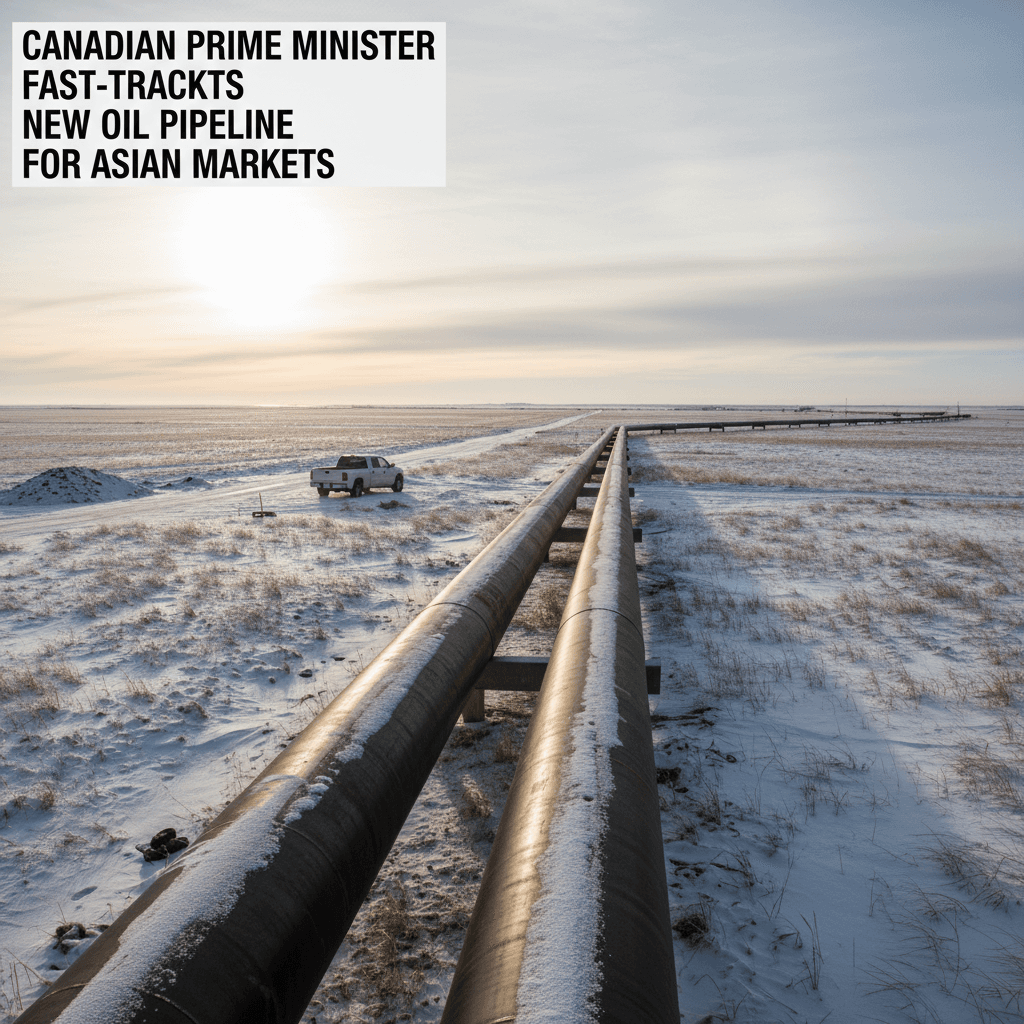
Canadian Prime Minister Mark Carney is invoking new powers to fast-track regulatory approval for a major new oil pipeline, according to a report from Rigzone. The move aims to expand Canada's access to Asian crude markets. While the specific pipeline project was not named in the report, the push for increased export capacity from Canada represents a significant shift in North American energy infrastructure policy. For Bakken operators, the development carries both competitive and logistical considerations. Increased pipeline capacity from Western Canada could influence crude pricing benchmarks across the continent, including the Bakken's own local price at Clearbrook, Minnesota. Greater volumes of Canadian crude reaching global markets can affect the supply-demand balance for similar light sweet crudes produced in the Williston Basin. Historically, pipeline constraints have limited Canadian crude to primarily U.S. Midwest markets, keeping a lid on prices. A new high-capacity outlet to Asia could alter that dynamic, potentially...

☀️Morning Wire·Oct 4
Canadian Prime Minister Fast-Tracks New Oil Pipeline for Asian Markets - Bakken Wire
Pipeline & Infrastructure

Canadian Prime Minister Fast-Tracks New Oil Pipeline for Asian Markets

Prime Minister Mark Carney has invoked new powers to expedite regulatory approval for a new, high-capacity oil pipeline, according to a report from Rigzone. The move aims to expand Canada's access to Asian markets. The development, reported on October 2, signals a renewed push by Canada to move its crude oil to West Coast export terminals. For Bakken operators in North Dakota, new Canadian pipeline capacity can influence regional market dynamics. Increased pipeline takeaway capacity from Western Canada can affect the flow of competing crudes, including Bakken barrels, through existing midcontinent pipeline systems. Changes in these flows can impact local basis differentials—the difference between the price of Bakken crude at the wellhead and the U.S. benchmark price. While the Rigzone report did not specify a pipeline route or capacity, any major new Canadian export conduit could alter crude oil logistics in North America. Bakken crude often moves to market via...

🔆Midday Wire·Oct 3
Pipeline & Infrastructure

Canada Moves to Fast-Track Oil Pipeline for Asian Market Access

Canadian Prime Minister Mark Carney is expediting regulatory approval for a new, high-capacity oil pipeline intended to expand Canada's access to Asian markets, according to a report from Rigzone. The report, published October 2, stated Carney has invoked new powers to fast-track the project. The development highlights ongoing efforts by North American producers to reach lucrative overseas markets beyond domestic and traditional refining hubs. Increased Canadian export capacity to Asia could influence global crude pricing benchmarks and shipping routes. For operators in North Dakota's Bakken formation, new Canadian pipeline capacity represents a shifting competitive landscape. Bakken crude, which primarily moves to market via pipelines, rail, and truck, often competes with Canadian heavy and light crude grades in the U.S. Midwest and Gulf Coast refining markets. Enhanced Canadian access to Asian buyers could, over time, alter flow patterns and competition for pipeline space within the continent. However, the specific impact on...

🌅Afternoon Wire·Oct 2