Global Pipeline Developments May Influence Bakken Crude Flows
Strait of Hormuz reopening and Venezuela's struggles could shift international oil trade dynamics relevant to North Dakota exports.
The first oil tanker from the Persian Gulf is expected to transit the contested Strait of Hormuz since the Iran war began, according to Rigzone. The shipment, flagged by Japan, signals a potential reopening of a critical global oil chokepoint. The Strait of Hormuz is a vital passage for Middle Eastern crude exports to global markets.
Separately, ConocoPhillips' CEO stated that Venezuela's initial steps to attract foreign oil companies to revive its production are "falling well short," Rigzone reported on May 21. This indicates continued challenges in restoring significant output from the South American nation, a former major OPEC producer.
For Bakken operators and royalty owners, these international developments are relevant to the global crude price environment and trade flows. The reopening of the Strait of Hormuz, if sustained, could increase the supply of Middle Eastern crude to Asian markets. This may alter global pricing benchmarks that influence the value of Bakken crude, which is often priced against West Texas Intermediate (WTI).
Venezuela's ongoing production struggles, as highlighted by ConocoPhillips' assessment, remove a potential source of heavy crude from the global market. This structural deficit can support overall global oil prices, indirectly benefiting lighter, sweeter crudes like those produced in the Bakken formation in North Dakota.
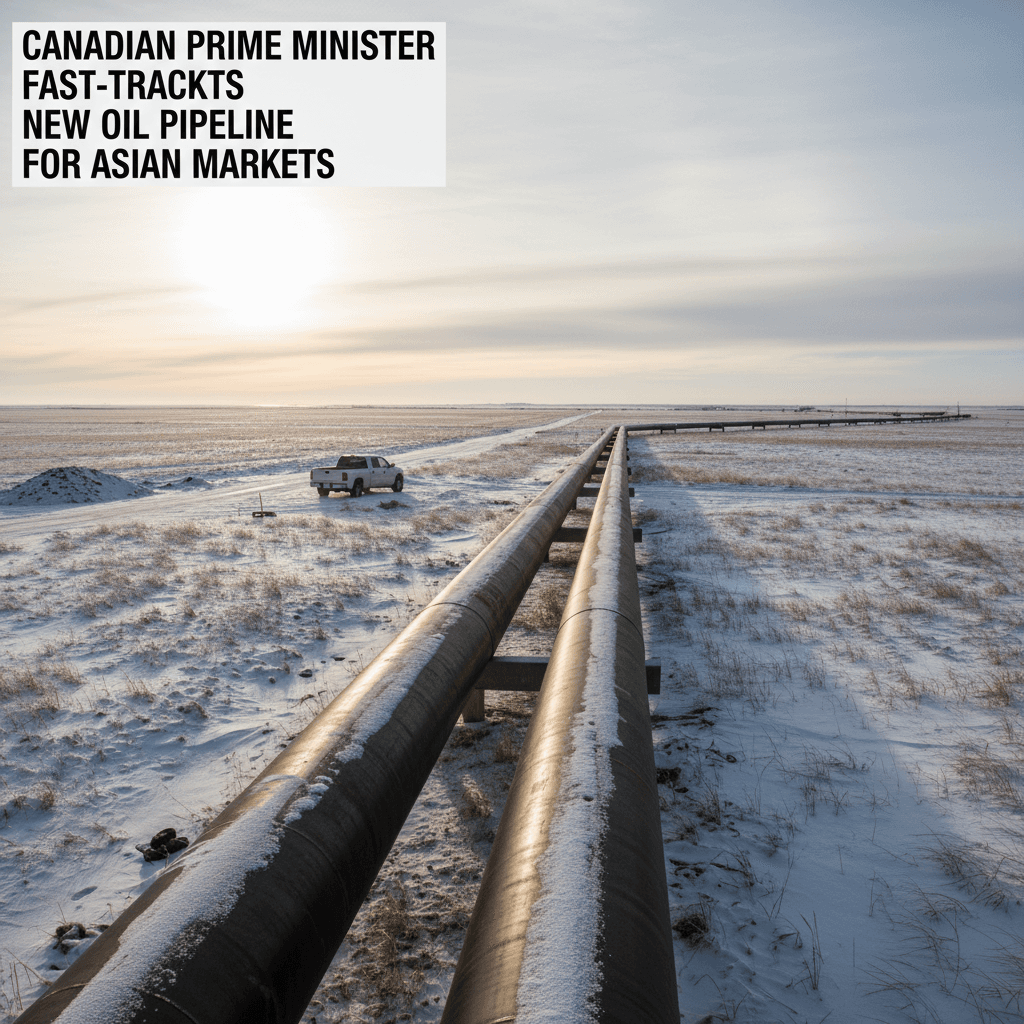
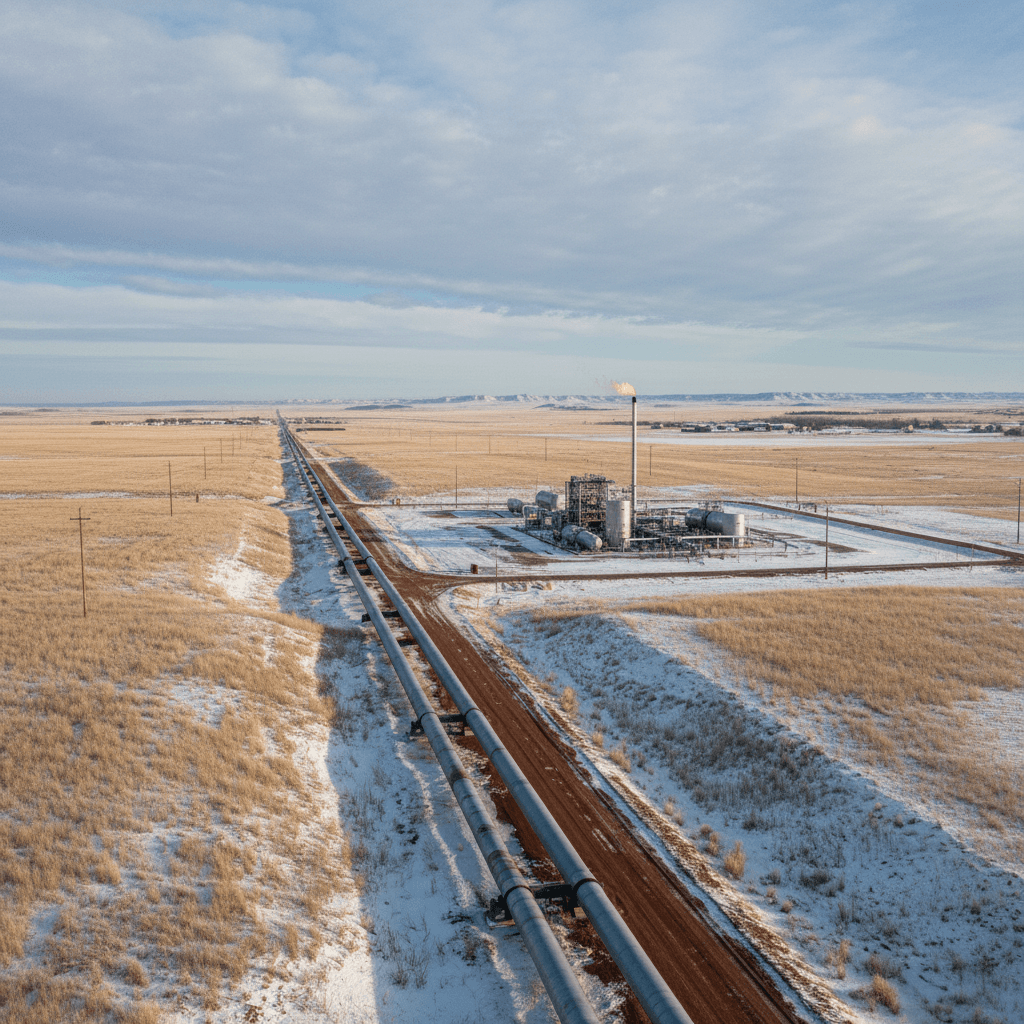
The Williston Basin's oil production is primarily transported via pipeline to market hubs like Cushing, Oklahoma, and directly to refining centers. The price Bakken crude commands at these hubs is linked to international prices. Therefore, shifts in global supply from key regions like the Middle East and South America are monitored closely by local producers for their impact on netbacks.
While these events are geographically distant, they underscore the interconnected nature of the oil market. Changes in major export routes and the persistent decline of a once-top producer contribute to the supply-side calculus that ultimately affects revenues for North Dakota's oil industry.
Source
Rigzone (May 22, 2026; May 21,打開 2026)