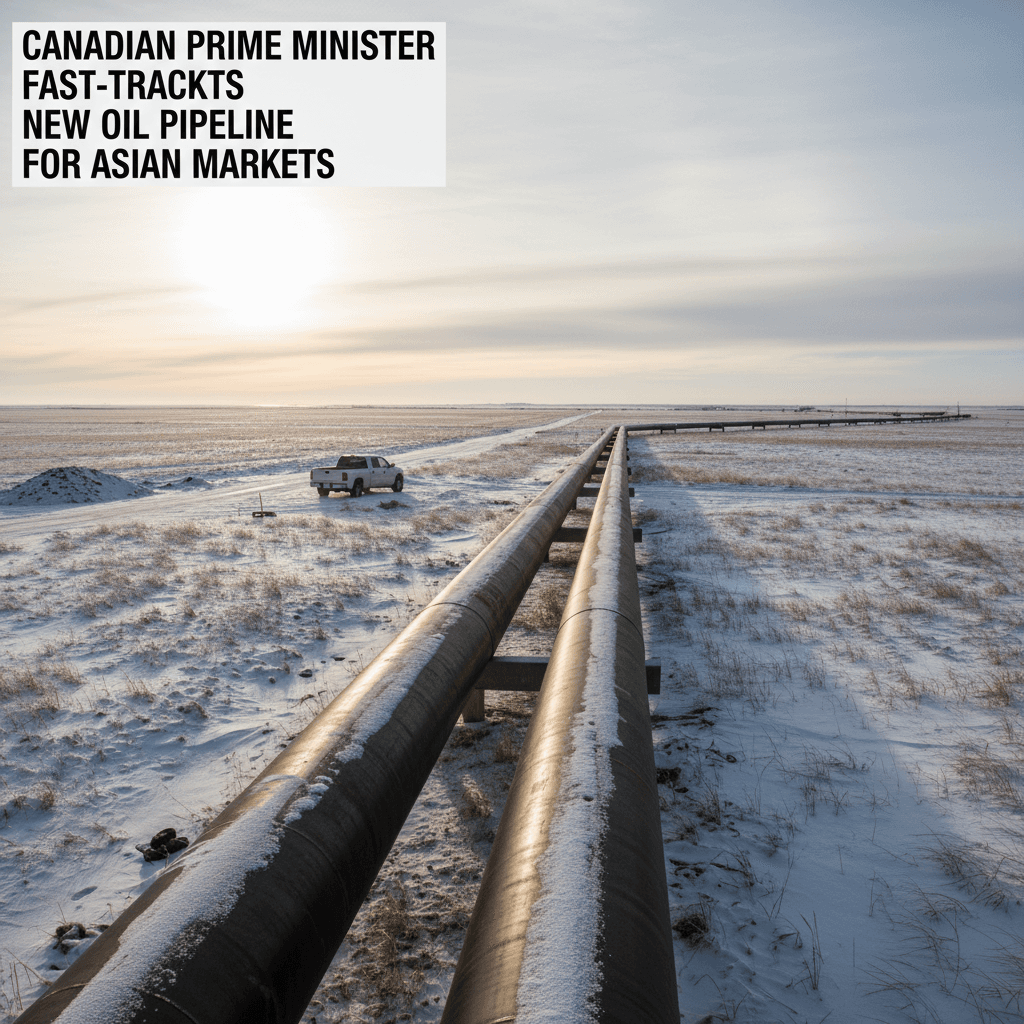
Global Straits, Refining Margins in Focus for Bakken Oil Flow
China stresses Hormuz shipping security as U.S. refiners see strong margins, factors critical for Bakken crude's route to market.
Global developments affecting crude oil shipping and refining are in focus for Bakken producers this week, with implications for the basin's export-dependent barrels.
China has called for the "unimpeded passage" of shipping through the strategic Strait of Hormuz, according to a report from Rigzone. The strait is a critical chokepoint for global oil shipments, including crude exports from the United States. Any disruption to traffic there can impact global oil prices and the economics of sending Bakken crude to international markets.
Concurrently, U.S. crude refiners are enjoying some of their best profit margins in years, Rigzone separately reported. Strong refining margins typically indicate healthy demand for gasoline and other fuels, which can support the price refiners are willing to pay for crude feedstocks like Bakken light oil.
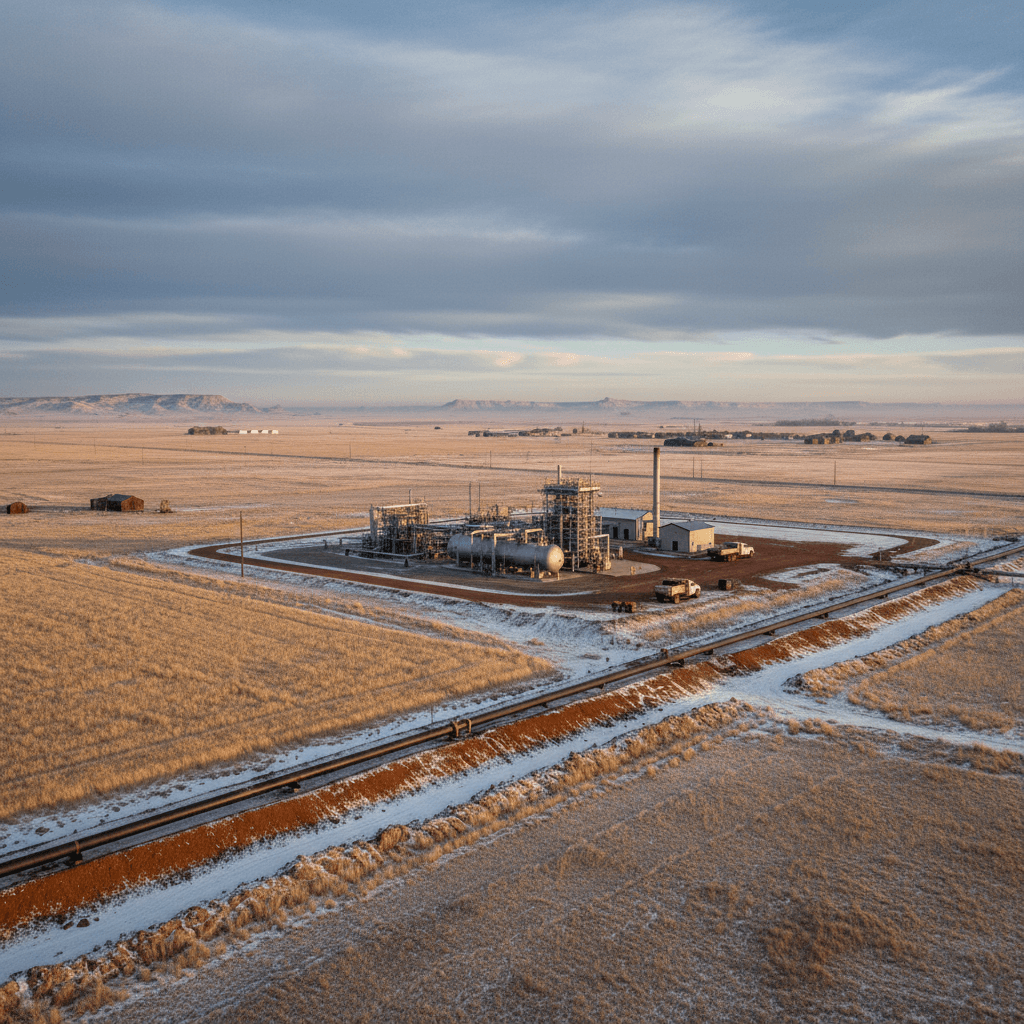
For the Bakken formation, these two factors underscore the basin's connection to broader global energy flows. North Dakota's oil production, which exceeded 1.3 million barrels per day in the latest state data, relies heavily on pipeline and rail networks to reach both domestic refineries and export terminals on the Gulf Coast.
From the Gulf, a significant portion of U.S. crude exports, including Bakken-origin barrels, transit through the Strait of Hormuz to reach key Asian markets. China's statement highlights ongoing geopolitical sensitivities along this route that can influence market volatility.
The robust refining margins reported domestically are a positive signal for Bakken producers, as strong crack spreads can increase competition for light sweet crude. This domestic demand provides a foundational market for Bakken oil alongside export opportunities.
Together, these reports highlight the dual market dynamics Bakken operators navigate: securing competitive prices from a healthy domestic refining sector while relying on stable global shipping lanes for export competitiveness.
Source
According to Rigzone reports from July 3, 2026.