Global Supply Fears Lift Oil as U.S. Gas Glut Persists
Hormuz blockade pressures prices while domestic gas oversupply presents a contrast for Bakken operators.
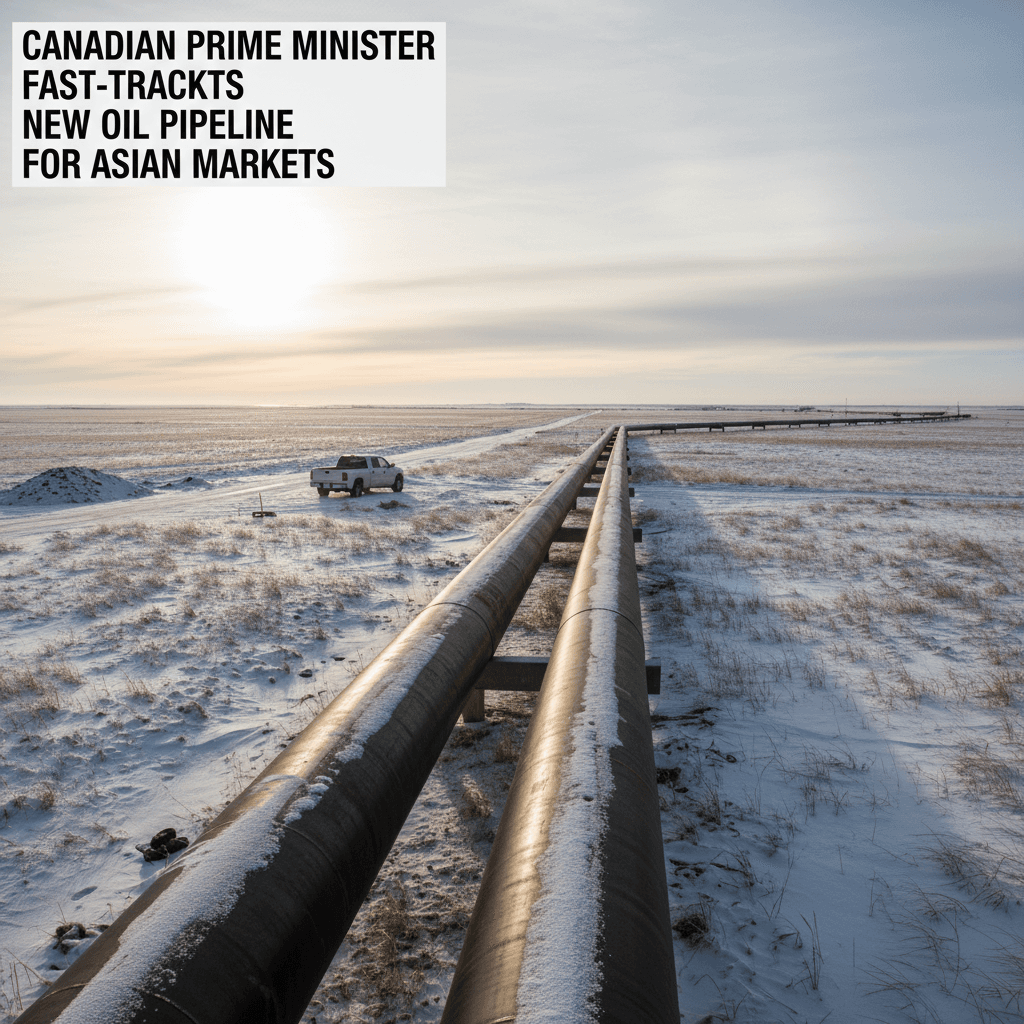
Oil prices surged to multi-year highs on Tuesday as a blockade of the Strait of Hormuz tightened global supply, according to Rigzone. The development injects volatility and potential upside for Bakken crude, which is priced against global benchmarks.
The price surge is linked directly to the Iran conflict and the strategic waterway's blockade. Former President Donald Trump, commenting on the situation Wednesday, stated "The blockade is somewhat more effective than the bombing," and insisted on a nuclear deal before lifting it, Rigzone reported. The Strait of Hormuz is a critical chokepoint for global seaborne oil trade.
This geopolitical tension creates a favorable pricing environment for North Dakota producers. Higher global crude prices can improve wellhead economics in the Bakken, potentially supporting drilling activity and cash flow for operators and royalty owners.
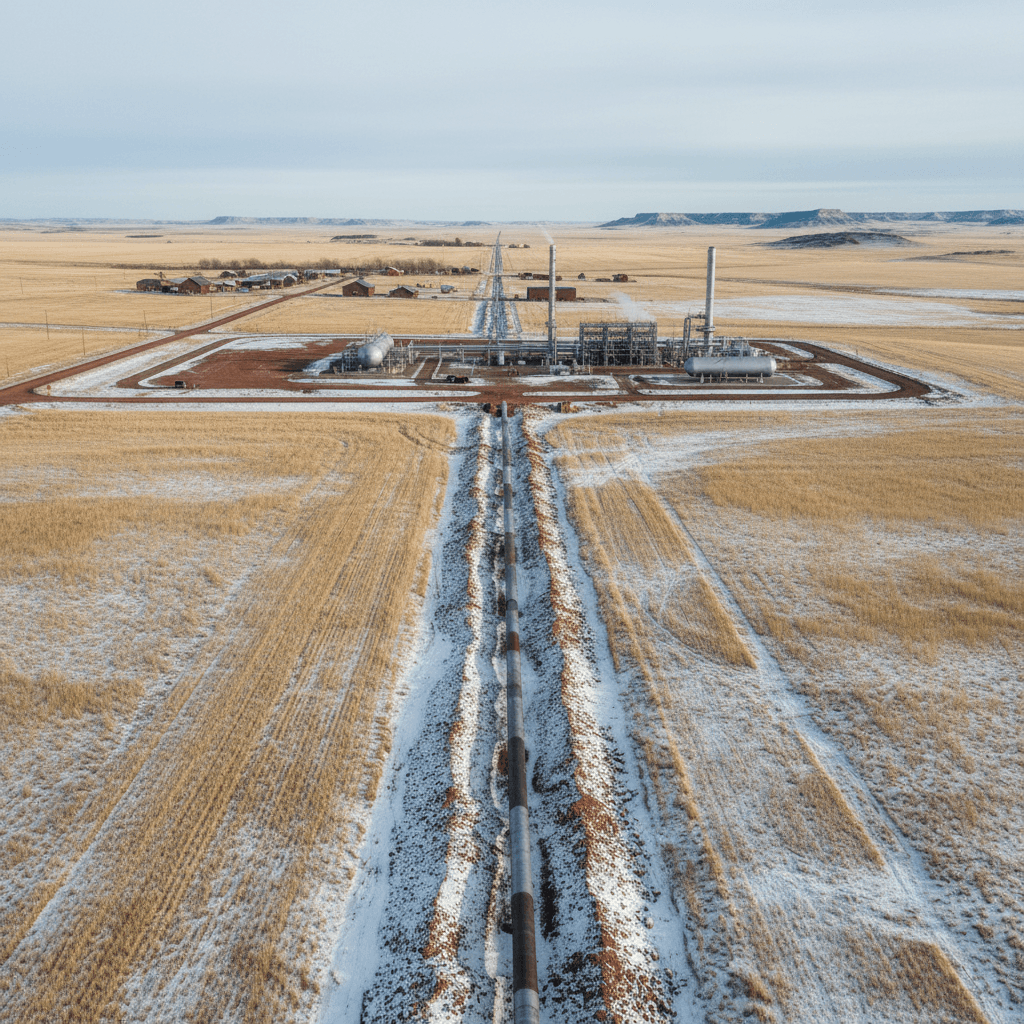
However, the domestic natural gas market presents a starkly different picture. In U.S. shale regions, including those associated with Bakken oil production, gas is so plentiful that producers are facing negative prices, effectively paying buyers to take it, Rigzone reported Tuesday. This gas glut is driven by robust production and infrastructure constraints.
For the Bakken, this dichotomy is a familiar challenge. The formation is primarily an oil play, but significant associated natural gas is produced alongside crude. The high oil prices are a primary driver, but the gas oversupply caps revenue from that stream and underscores the need for pipeline and processing capacity.
The simultaneous events highlight the Bakken's exposure to global oil markets and domestic gas dynamics. Operators will benefit from stronger oil prices, but midstream solutions remain critical to fully monetize the region's gas production and avoid costly flaring or shut-ins.
Source
According to reports from Rigzone published April 29-30, 2026.