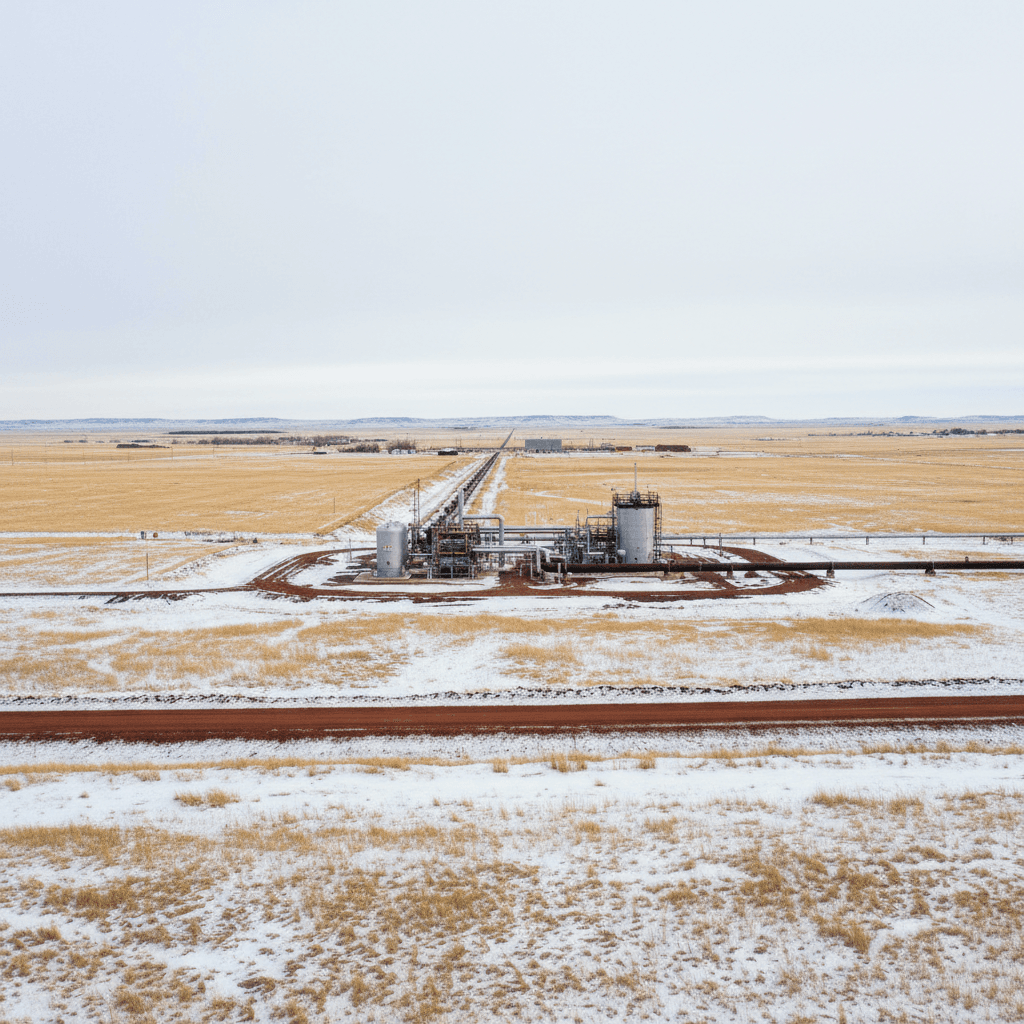
Global Tanker Traffic, Security in Focus for Bakken Exports
Suez Canal volumes surge as incident in Gulf of Oman highlights shipping risks.
Global oil shipping developments this week highlight both growing export volumes and persistent security risks, factors critical for Bakken crude reaching international markets. The number of oil tankers transiting Egypt's Suez Canal surged by almost a third in April, driving canal revenue to its highest level since early 2024, according to Rigzone. This key maritime chokepoint is a major route for crude exports from the U.S. Gulf Coast, where Bakken crude shipped by pipeline can be loaded onto vessels.
Separately, a tanker that has previously carried Iranian oil suffered a fire in the Gulf of Oman, maritime security firms and local navies reported to Rigzone. While not directly linked to U.S. shipments, incidents in this region can influence global tanker insurance rates and market volatility, indirectly affecting the economics of exporting North Dakota crude.
In other energy news, Antares Nuclear successfully achieved 'initial criticality' for a new microreactor design that uses TRISO fuel, Rigzone reported. The company is the first to reach that stage under a specific Trump-era program. While not a pipeline story, advanced nuclear technology is being explored by some industries for future power generation, including potentially for remote oilfield operations.
For Bakken operators and royalty owners, the efficiency and security of global shipping lanes are vital for maintaining competitive access to overseas refineries. Increased Suez Canal traffic suggests robust global oil movements, supporting demand for U.S. exports. However, geopolitical tensions and incidents along major routes underscore the complex logistics chain that Bakken crude navigates after it leaves the wellhead.
Source
According to Rigzone reports from June 10, 2026.