Global Tensions, Policy Shift Threaten Bakken Oil Export Routes
Strait of Hormuz conflict and new U.S. export bill create uncertainty for North Dakota crude shipments.
Geopolitical tensions and proposed U.S. policy are converging to create new risks for Bakken crude oil exports, according to recent reports. The ongoing conflict involving Iran is directly impacting key global shipping chokepoints and inspiring domestic legislative efforts that could restrict American oil shipments.
According to Rigzone, hostilities have closed the Strait of Hormuz, a critical passage for Middle Eastern oil and gas exports. The report notes that Pakistan has opted not to buy urgent cargoes of liquefied natural gas on the spot market, betting that the situation will ease. This closure disrupts global energy trade flows and market stability, factors that indirectly influence the price benchmarks for Bakken crude.
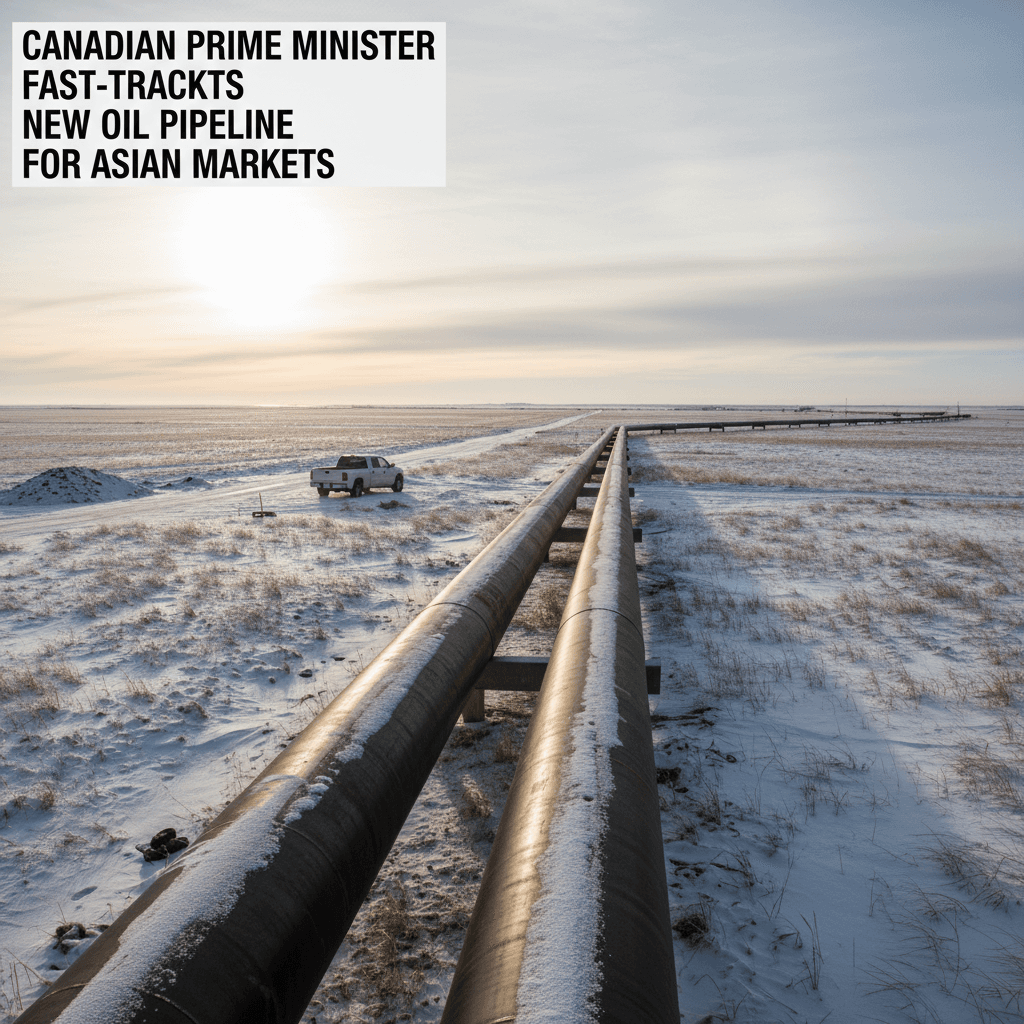
Further complicating the landscape, a U.S. lawmaker has introduced a legislative proposal for a moratorium on American oil exports, Rigzone reported. The bill, introduced by a Democrat, seeks to keep domestic crude and refined products within the United States during the war with Iran in an effort to control fuel prices. If enacted, such a moratorium would sever a vital outlet for Bakken producers, who rely on the ability to ship crude to international markets via pipelines and rail to coastal ports.
Separately, Rigzone reported that the United States has given Iran a deadline to respond to a peace proposal, but Iran has shown no indication of acceptance. A prolonged standoff suggests the potential for continued volatility in global oil markets.
For the Bakken formation, these developments represent a dual threat. The region's economic health is tied to stable export routes and access to global pricing. A sustained closure of the Strait of Hormuz can tighten global supply and support prices, but it also introduces significant volatility and risk. More directly, a U.S. export ban would cap the market for North Dakota crude, potentially forcing more oil into a congested domestic market and depressing local prices relative to international benchmarks. The industry now watches both geopolitical negotiations and legislative progress in Washington.
Source
According to reports from Rigzone published May 8, 2026.