WTI Crude--
Brent Crude--
Natural Gas--
ND Rig Count--
WTI Crude--
Brent Crude--
Natural Gas--
ND Rig Count--
Global Volatility Boosts Trader Profits as Energy Markets Shift - Bakken Wire
Pipeline & Infrastructure

Global Volatility Boosts Trader Profits as Energy Markets Shift

European majors cite trading windfalls from Middle East conflict, while a Permian land company files for IPO and the U.K. grapples with a renewable surplus.

Bakken Wire Staff·🌅Afternoon Wire·

Major European oil companies are forecasting strong first-quarter financial results driven by exceptional profits from their trading desks, according to updates from Shell, BP, and TotalEnergies. The companies attribute the windfall to extreme volatility in physical crude oil and natural gas markets resulting from the ongoing conflict in the Middle East.

Shell flagged "significantly higher" profits from oil and gas trading, while BP expects an "exceptional" oil trading result for Q1 2026, according to OilPrice.com. TotalEnergies also said strong trading activities are benefiting from market volatility. This comes as physical Brent crude prices spiked to $150 per barrel earlier this month. The trading booms are offsetting some upstream disruptions; Shell reported its Q1 oil and gas production would be down to between 880,000 and 920,000 barrels of oil equivalent per day, reflecting impacts on Qatari volumes.

In a separate corporate development, Permian Basin land company EagleRock Land LLC has filed for an initial public offering. The Houston-based firm owns or controls 236,000 acres across the Permian and holds an interest in another 70,000 acres in the Midland sub-basin, according to a filing reported by Rigzone. The company, which generates revenue from oil and gas operators including Chevron and ConocoPhillips, reported a net loss of $73.1 million on revenue of $72.2 million for the year ended Dec. 31, 2025. It plans to use IPO proceeds to repay debt and fund land acquisitions.

Meanwhile, a shift in energy dynamics is unfolding in the United Kingdom, where a surge in renewable generation is creating a power glut. The U.K. government is launching a scheme this summer encouraging consumers to use high-consumption appliances during peak renewable production hours to manage the surplus, OilPrice.com reported. Energy suppliers will offer free or discounted electricity during these times. The National Energy System Operator aims to avoid costly curtailments of wind and solar farms. The U.K. recently set a solar power generation record of 14.4 gigawatts on April 7.

For Bakken operators, the reports highlight the continued financial upside of market volatility for integrated firms with large trading operations. The EagleRock IPO filing underscores the sustained value of mineral and surface rights in major U.S. shale plays, a relevant model for North Dakota's land and royalty owners. The U.K. situation, while geographically distant, illustrates the growing global management challenge of intermittent renewable power, which can influence long-term demand forecasts for hydrocarbon-based electricity generation.

Source

OilPrice.com, Rigzone
oil tradingmarket volatilityipopermian basinrenewable energymiddle east conflict

Share this article

Related Articles

Pipeline & Infrastructure

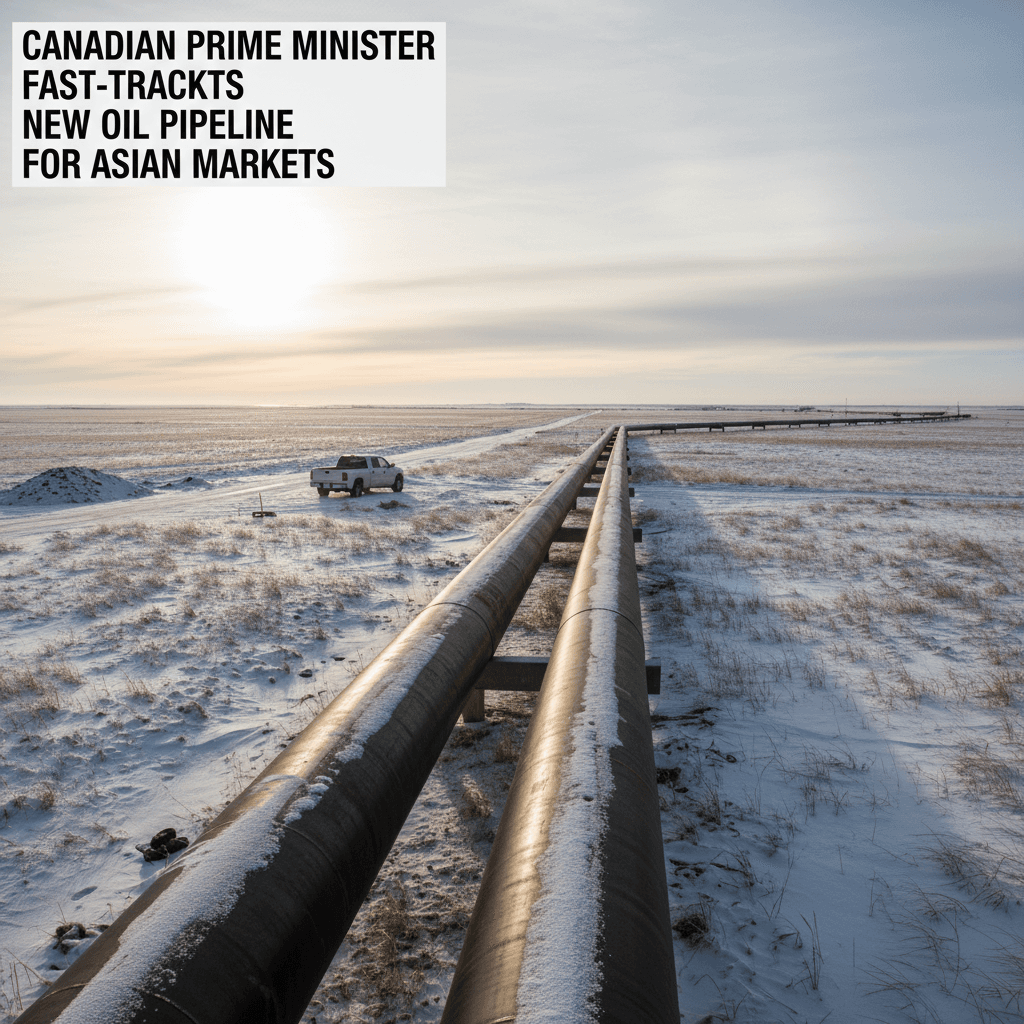
Canada Moves to Fast-Track Oil Pipeline for Asian Markets

Canadian Prime Minister Mark Carney is invoking new powers to fast-track regulatory approval for a major new oil pipeline, according to a report from Rigzone. The move aims to expand Canada's access to Asian crude markets. While the specific pipeline project was not named in the report, the push for increased export capacity from Canada represents a significant shift in North American energy infrastructure policy. For Bakken operators, the development carries both competitive and logistical considerations. Increased pipeline capacity from Western Canada could influence crude pricing benchmarks across the continent, including the Bakken's own local price at Clearbrook, Minnesota. Greater volumes of Canadian crude reaching global markets can affect the supply-demand balance for similar light sweet crudes produced in the Williston Basin. Historically, pipeline constraints have limited Canadian crude to primarily U.S. Midwest markets, keeping a lid on prices. A new high-capacity outlet to Asia could alter that dynamic, potentially...

☀️Morning Wire·Oct 4
Canadian Prime Minister Fast-Tracks New Oil Pipeline for Asian Markets - Bakken Wire
Pipeline & Infrastructure

Canadian Prime Minister Fast-Tracks New Oil Pipeline for Asian Markets

Prime Minister Mark Carney has invoked new powers to expedite regulatory approval for a new, high-capacity oil pipeline, according to a report from Rigzone. The move aims to expand Canada's access to Asian markets. The development, reported on October 2, signals a renewed push by Canada to move its crude oil to West Coast export terminals. For Bakken operators in North Dakota, new Canadian pipeline capacity can influence regional market dynamics. Increased pipeline takeaway capacity from Western Canada can affect the flow of competing crudes, including Bakken barrels, through existing midcontinent pipeline systems. Changes in these flows can impact local basis differentials—the difference between the price of Bakken crude at the wellhead and the U.S. benchmark price. While the Rigzone report did not specify a pipeline route or capacity, any major new Canadian export conduit could alter crude oil logistics in North America. Bakken crude often moves to market via...

🔆Midday Wire·Oct 3
Pipeline & Infrastructure

Canada Moves to Fast-Track Oil Pipeline for Asian Market Access

Canadian Prime Minister Mark Carney is expediting regulatory approval for a new, high-capacity oil pipeline intended to expand Canada's access to Asian markets, according to a report from Rigzone. The report, published October 2, stated Carney has invoked new powers to fast-track the project. The development highlights ongoing efforts by North American producers to reach lucrative overseas markets beyond domestic and traditional refining hubs. Increased Canadian export capacity to Asia could influence global crude pricing benchmarks and shipping routes. For operators in North Dakota's Bakken formation, new Canadian pipeline capacity represents a shifting competitive landscape. Bakken crude, which primarily moves to market via pipelines, rail, and truck, often competes with Canadian heavy and light crude grades in the U.S. Midwest and Gulf Coast refining markets. Enhanced Canadian access to Asian buyers could, over time, alter flow patterns and competition for pipeline space within the continent. However, the specific impact on...

🌅Afternoon Wire·Oct 2