Iran Reasserts Control Over Hormuz, Threatening Oil Price Recovery
As Saudi exports rebound, fresh Iranian warnings and unresolved transit disputes cast doubt on the stability of key Bakken crude benchmarks.
Iran's military command issued a stark warning on Thursday, July 2, demanding that all oil tankers transiting the Strait of Hormuz follow routes approved by Tehran or face an "immediate and forceful response," according to a report from OilPrice.com. The warning, broadcast by Iranian state television, also threatened a "rapid and decisive reaction" to any U.S. interference in the critical waterway. This move reasserts Iran's claim to control the world's most important oil chokepoint, directly challenging the narrative that the strait is returning to normal operations.
The threat comes despite diplomatic progress, following a meeting between U.S. and Iranian negotiators in Qatar on Wednesday aimed at broadening last month's interim agreement. Further talks are expected after funeral ceremonies for Supreme Leader Ayatollah Ali Khamenei conclude next week, OilPrice.com reported. A core dispute remains unresolved: while the interim deal allows for 60 days of toll-free passage, Tehran insists it holds the authority to dictate routes now and charge fees later, a position rejected by Washington and Gulf Arab states.
Meanwhile, tanker traffic, while recovering, remains below pre-conflict levels. Data cited by OilPrice.com shows 258 vessels transited the strait last week, up from 138 the previous week, with current daily traffic settling at 30 to 60 crossings. This is still far short of the roughly 130 daily transits seen before the war. Concurrently, Saudi Arabia's crude oil exports have surged to roughly pre-war levels since the kingdom resumed cargo loadings inside the Persian Gulf, Rigzone reported.
The combination of rising exports and lingering geopolitical risk is pressuring oil markets. Prices steadied but held near pre-war lows on Thursday as the increasing flow of crude through Hormuz reinforced concerns about a growing global supply surplus, according to Rigzone. Traders had begun pricing in a rapid return of Gulf exports, leading benchmarks like Brent to slip back toward pre-war levels.
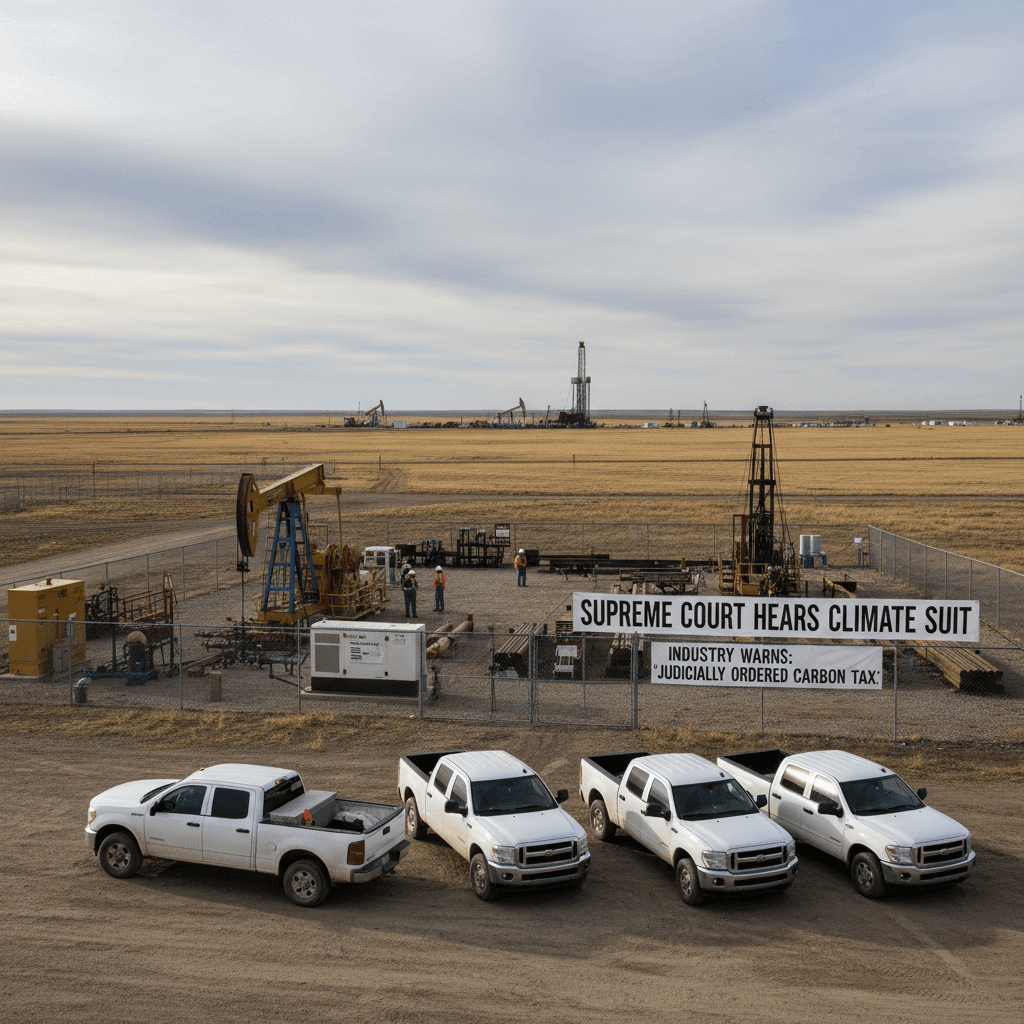
For Bakken operators and royalty owners, the situation presents a familiar tension. A rebound in global supply, signaled by Saudi Arabia's export recovery, acts as a headwind to the oil price gains necessary for robust drilling budgets in North Dakota. However, the renewed Iranian threats underscore the fragility of the supply rebound. Any significant disruption in Hormuz transit—through enforced routing, fees, or conflict—could swiftly reverse the current price pressure, benefiting Bakken crude realizations. The stability of key pricing benchmarks for Bakken crude remains tied to these unresolved issues at the chokepoint for nearly a third of the world's seaborne oil.
Source
According to OilPrice.com and Rigzone.