Iraq-Syria Pipeline Plan Faces 4-Year, $15B Reality Check
A U.S.-backed project to bypass the Strait of Hormuz is in early planning, offering potential long-term global supply stability but no near-term relief for Bakken crude pricing.
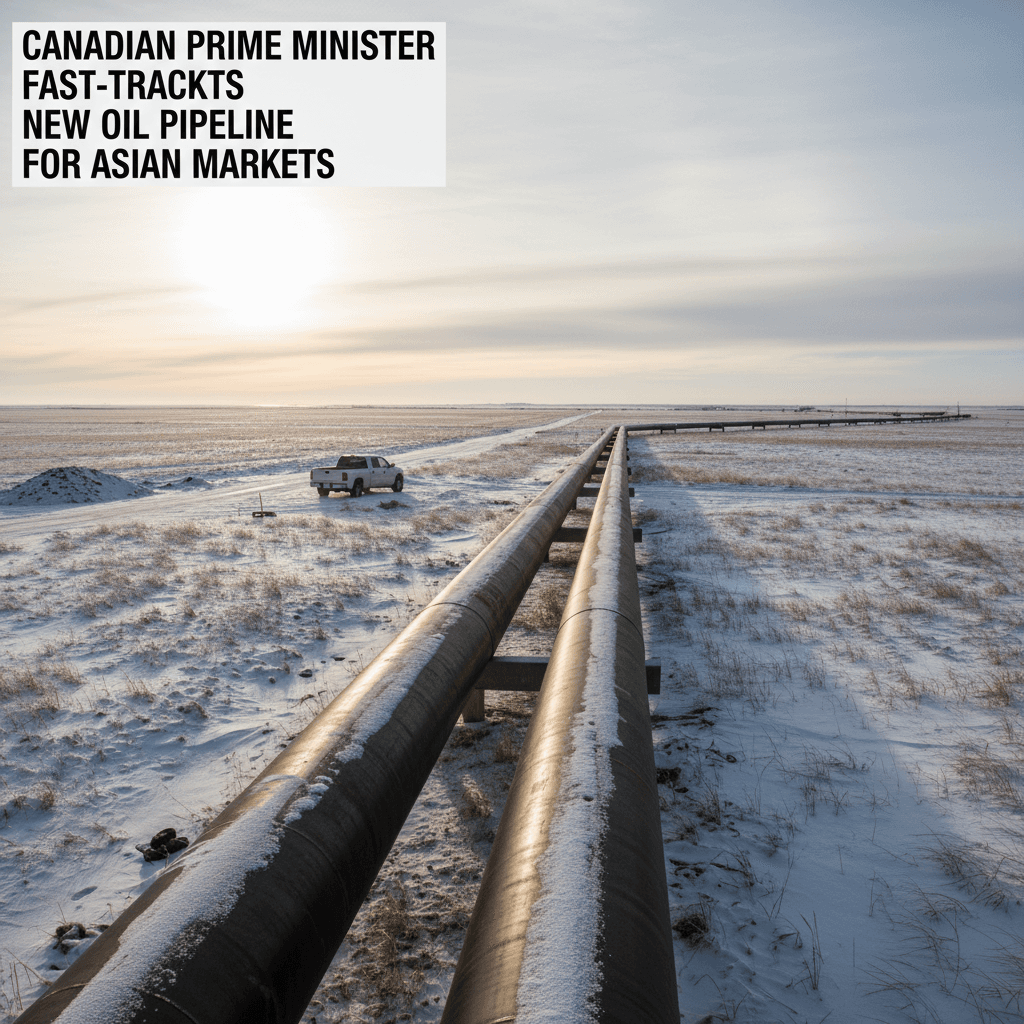
A major pipeline project aimed at reducing global oil dependence on the Middle East's Strait of Hormuz is at least four years and $15 billion away from completion, according to sources familiar with the plans. The project, which would ship Iraqi crude to Syria's Mediterranean coast, is being reviewed by a consortium that includes U.S. supermajor Chevron, OilPrice.com reported Monday.
While the U.S. Administration has touted the pipeline as a way to make the strategic chokepoint "irrelevant," sources directly involved told Reuters that actual construction would require a minimum of four years. The existing, long-dormant pipeline between Iraq and Syria cannot be used, necessitating entirely new infrastructure which complicates the project, raises costs, and extends the timeline.
For Bakken producers, the development is a reminder of the long-term geopolitical factors that influence global crude markets. A future, more secure outlet for Iraqi oil could eventually help stabilize global supply flows, but the extended timeline means no immediate impact on the price differentials or export competition faced by North Dakota light sweet crude.
The recent Hormuz crisis, which cut off most of Iraq's crude exports, has accelerated plans between Iraq and Syria. Youssef Qablawi, CEO of the state-owned Syrian Petroleum Company, said earlier this month that renovating the pipeline from Haditha in Iraq to Syria's port of Baniyas would take "three years at most," according to OilPrice.com. The two nations have begun negotiations to finalize a contract and are discussing terms with potential investing companies.
The proposed project is expected to consist of two pipelines with a combined capacity of 1.5 million to 2 million barrels per day. The United States expects U.S. companies to be involved in rebuilding the Kirkuk-Baniyas route, viewing it as crucial for reducing Iranian leverage in the Strait and securing Iraq's export alternatives.
The lengthy development horizon underscores that global infrastructure solutions to supply chokepoints are complex and slow-moving. For operators in the Williston Basin, the news reinforces that near-to-medium-term market volatility tied to Middle Eastern disruptions will likely persist. The Bakken's competitiveness will continue to depend on local pipeline takeaway capacity, refinery demand, and the cost of rail transport, rather than distant international pipeline projects still on the drawing board.
Source
According to a report from OilPrice.com citing Reuters sources and statements from the Syrian Petroleum Company.