Japan Seeks Diversification, Cites US as Key Oil Supplier Amid Hormuz Crisis
Tokyo's push to fund overseas pipelines and shift from Middle East imports could support long-term demand for Bakken crude exports.
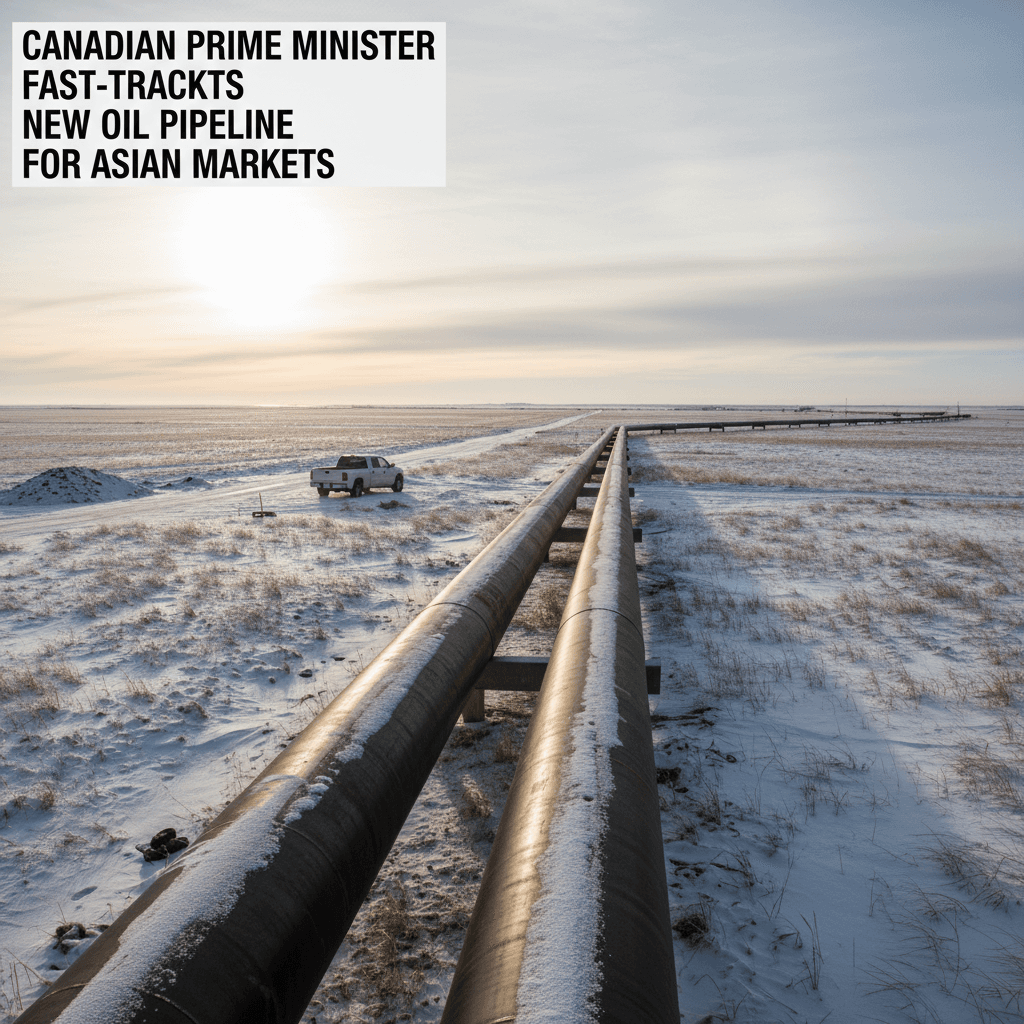
Japan is planning to invest in overseas oil pipeline projects to reduce its dependence on crude shipments through the volatile Strait of Hormuz, according to a report from OilPrice.com. The initiative, detailed in a document from Japan's economy ministry, will involve Japanese companies providing risk-capital funding, notably for pipeline network expansions in the Middle East requested by Saudi Arabia and the UAE.
The move is a direct response to the ongoing Iran war, which has severely disrupted traditional supply lines. Before the conflict, Japan relied on the Middle East for 95% of its crude imports. The shock to supply forced the country to scramble for alternatives and tap its strategic reserves. By April 2026, Japan's energy imports from the Middle East had plummeted by 67.2% compared to April 2025, hitting the lowest volume since records began in 1979.
This scramble has come at a significant cost. In June 2026, Japan's total import bill swelled to a record $89.46 billion due to oil prices, even though the volume of oil imports was 13.7% lower than a year earlier. To secure supply, Japan has turned to sources that do not require passage through the Strait of Hormuz.
According to OilPrice.com, Japanese Prime Minister Sanae Takaichi stated in June that current oil imports are coming from these alternative sources. A report from the Daiwa Institute of Research specifically named the United States and Russia as two of these key suppliers.
For Bakken operators and North Dakota's oil industry, Japan's strategic pivot underscores the growing importance of U.S. crude exports in a destabilized global market. Japan's explicit identification of the United States as a preferred supplier—coupled with its costly need to replace lost Middle Eastern barrels—creates a potential long-term demand anchor for American crude. While the source material does not specify volumes of Bakken crude involved, the overall shift aligns with trends that benefit stable, non-OPEC oil-producing regions.
The reported plan to fund pipeline infrastructure abroad also highlights a broader global trend of seeking route diversification, which could eventually influence midstream investment and trade flow patterns relevant to U.S. export corridors. Japan's actions reflect a high-stakes effort to secure energy security, a process that increasingly involves contracts and cargoes originating from the Western Hemisphere, including the Bakken formation.
Source
OilPrice.com report from July 28, 2026