Low Rig Count, Falling Prices Challenge Bakken Workforce Stability
With just 27 rigs operating and oil prices dropping, western North Dakota communities face continued economic headwinds.
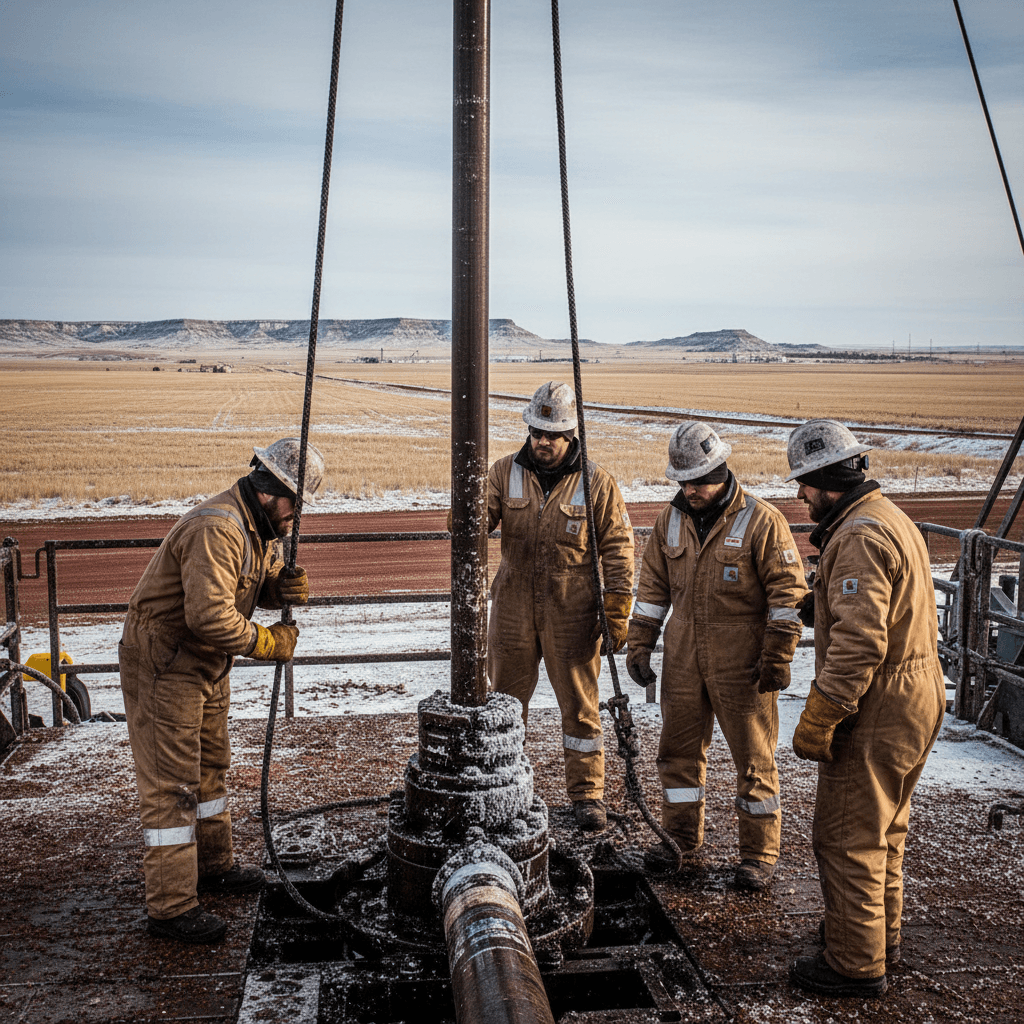
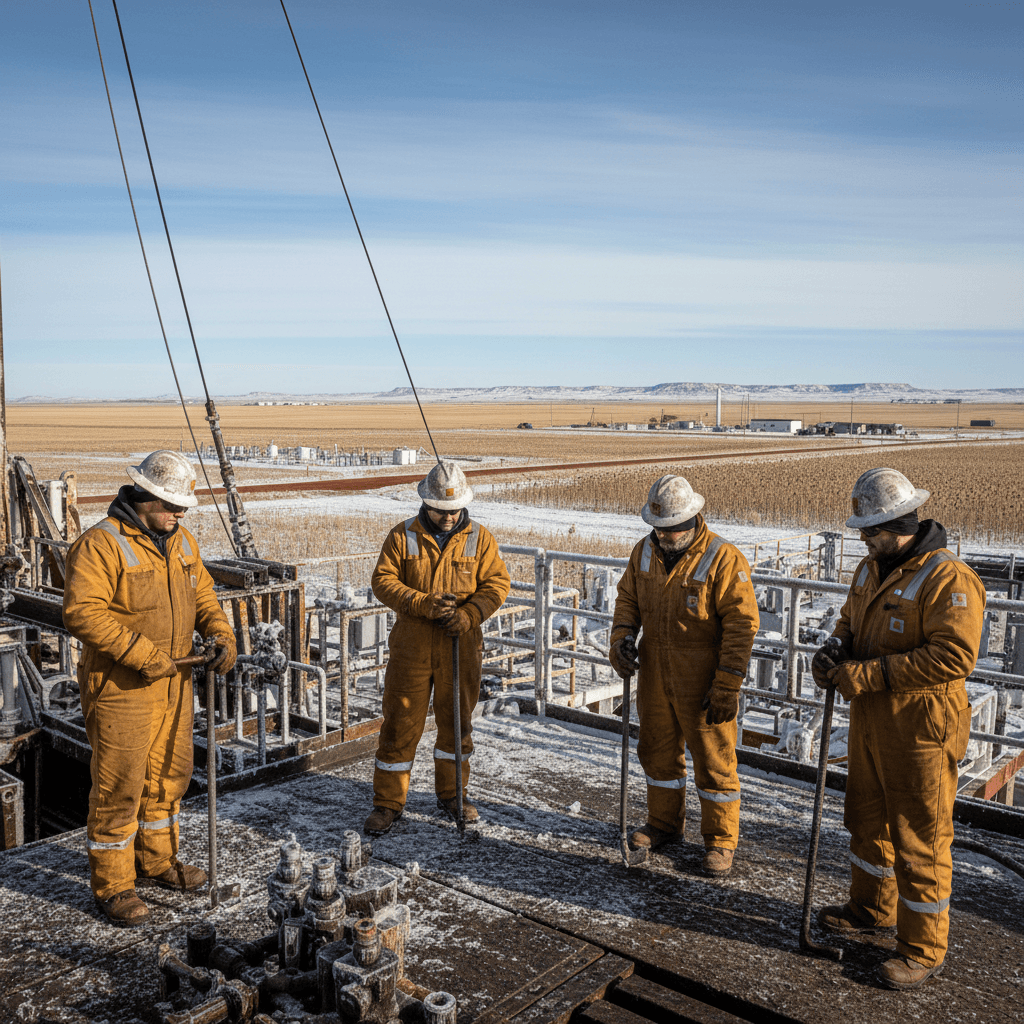
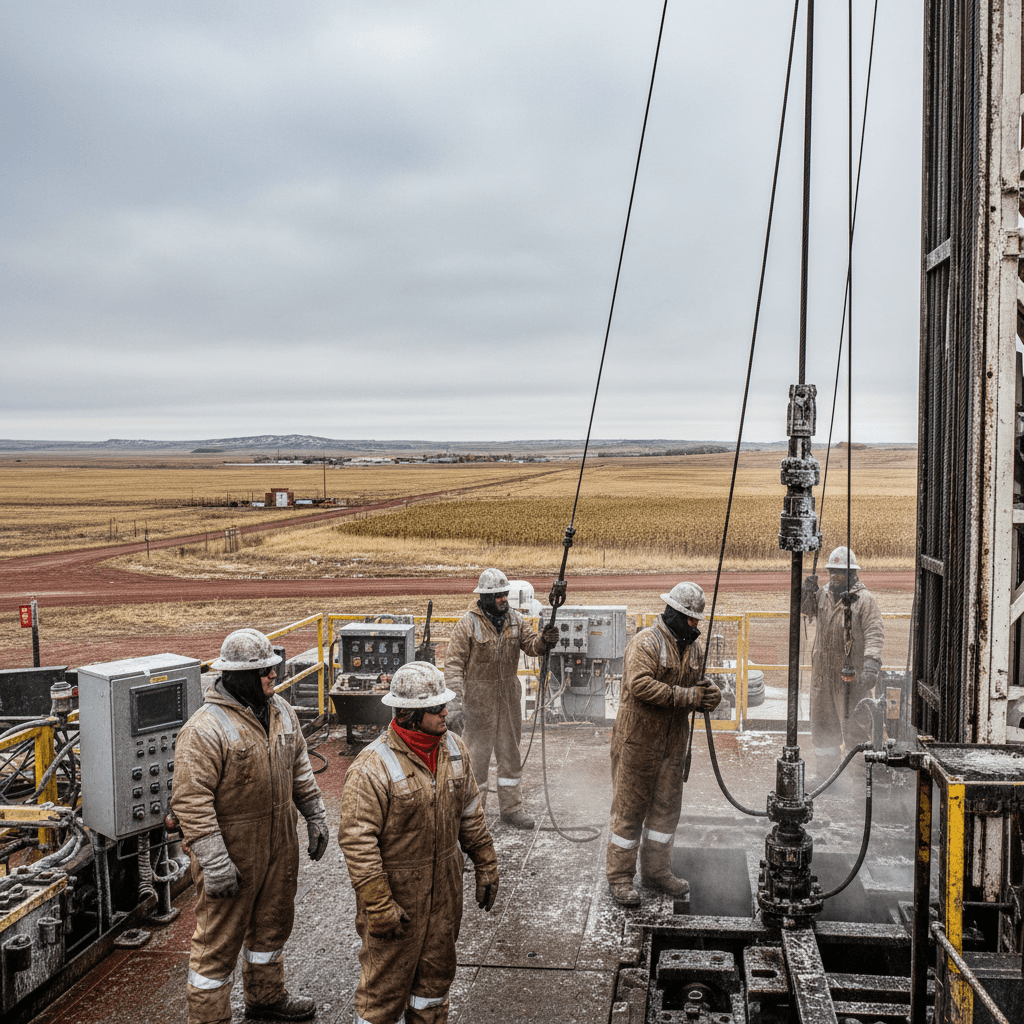
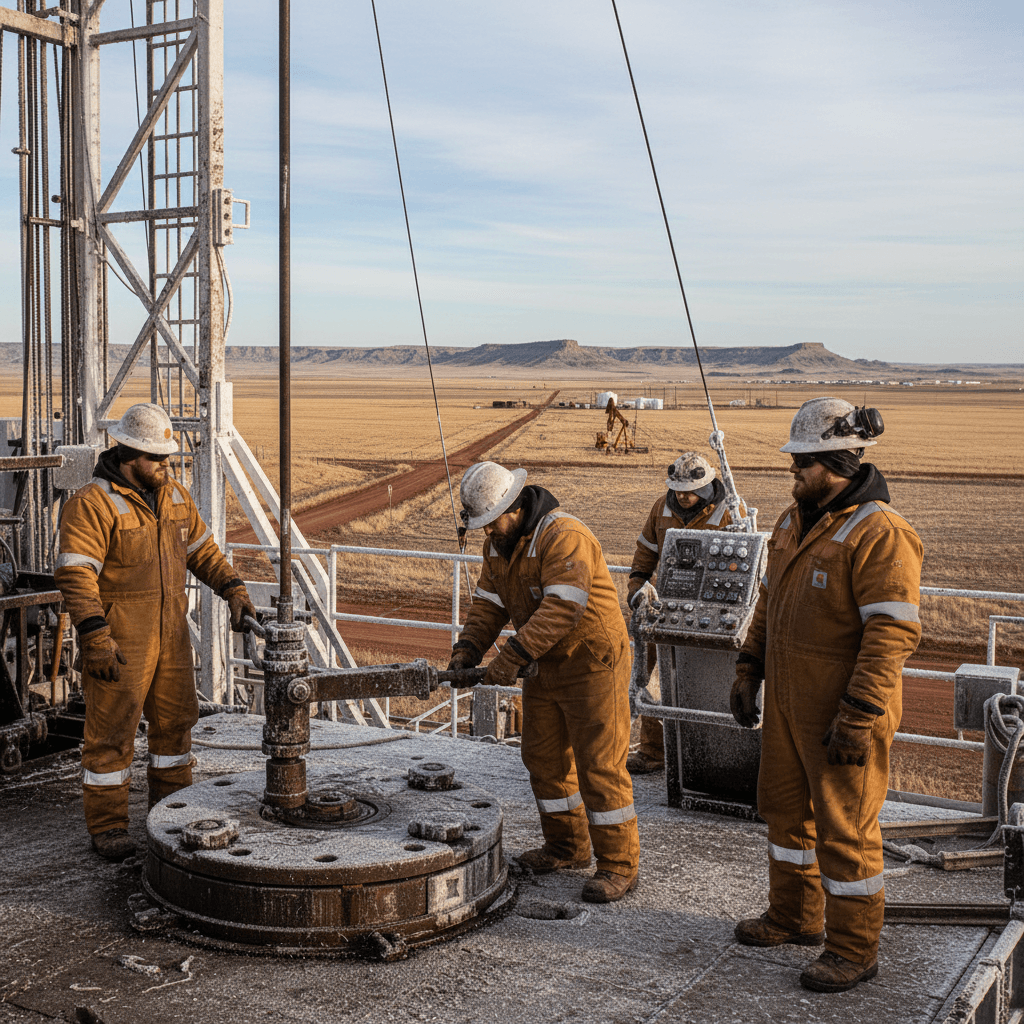
The active drilling rig count in North Dakota held at 27 on Wednesday, a level indicative of restrained industry activity that continues to pressure employment and local economies in the Bakken formation. The figure, a key barometer for oilfield job demand, remains near historic lows for the modern shale era, according to Bakken Wire data.
Concurrently, oil prices sold off sharply. West Texas Intermediate (WTI) crude was trading at $90.23 per barrel, down $3.66 or 3.9% for the day. The international Brent crude benchmark fell to $93.66. The price for Bakken crude at the wellhead is typically discounted against WTI; the differential was reported at -$3.42 per barrel.
The combination of a low rig count and volatile prices directly impacts the oil-dependent workforce. Fewer rigs mean reduced demand for drilling crews, field service technicians, and logistical support personnel. This stagnation in activity levels limits job growth and can lead to outmigration as workers seek opportunities in busier basins.
The economic ripple effects extend into Bakken communities. Municipal budgets in oil-producing counties, which rely heavily on extraction and production taxes, face constraints when activity is low. Sales tax revenues from consumer spending by oilfield workers also tend to correlate with industry cycles.
Housing markets in western North Dakota, which experienced extreme volatility during the last boom-and-bust cycle, are likely seeing stabilized but subdued demand. The current environment of modest, steady activity avoids the inflationary housing crises of the past but does not generate the rapid growth that boosts construction and real estate sectors.
The Bakken formation remains North Dakota's primary oil-producing region, and its health is inextricably linked to the well-being of the western part of the state. For royalty owners, current prices near $90 per barrel provide continued revenue, though the day's decline highlights ongoing market uncertainty.
General industry context shows that rig count is a leading indicator for future production and employment. Sustained higher commodity prices are typically required to justify significant increases in drilling programs. With 27 rigs running, the operational footprint across the Williston Basin remains concentrated, with activity focused on the most productive acreage.
Source
Bakken Wire live data as of May 27, 2026.