WTI Crude--
Brent Crude--
Natural Gas--
ND Rig Count--
WTI Crude--
Brent Crude--
Natural Gas--
ND Rig Count--
ND Industrial Commission Commits $500M to Gas Pipeline as Oil Marks 75 Years - Bakken Wire
Pipeline & Infrastructure

ND Industrial Commission Commits $500M to Gas Pipeline as Oil Marks 75 Years

State's massive pipeline infrastructure investment coincides with anniversary of modern Bakken industry, highlighting continued reliance on critical transport.

Bakken Wire Staff·🔆Midday Wire·

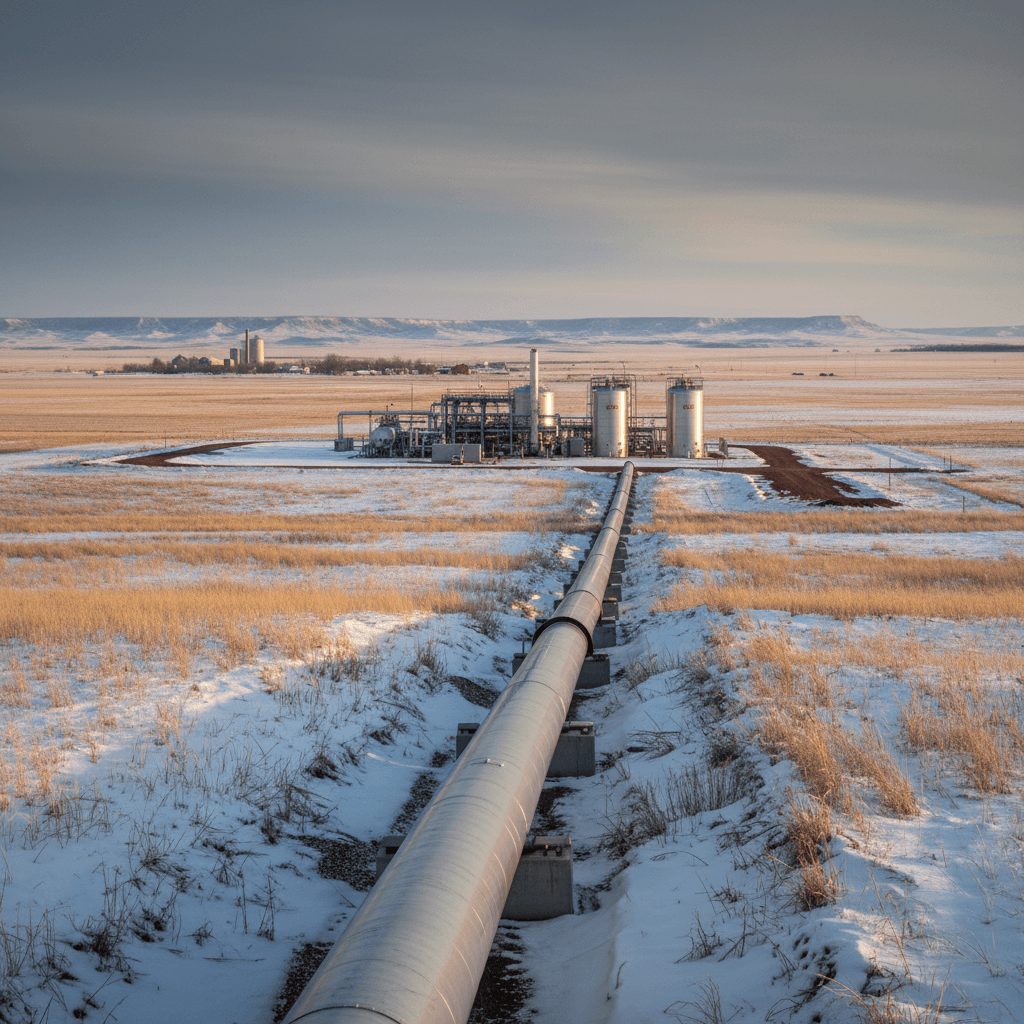
The North Dakota Industrial Commission is committing up to $500 million toward a new natural gas pipeline project, according to a state news report published April 29. This major state investment in infrastructure comes as North Dakota marks the 75th anniversary of its modern oil industry, which remains heavily dependent on pipeline capacity to move its prolific output.

Crews first struck oil near Tioga on April 4, 1951. Today, North Dakota produces more than 1 million barrels per day, ranking as the country's third-largest oil producer, according to Bing News. The industry supports about 63,000 jobs and generates nearly $50 billion annually, contributing over $4 billion in taxes and royalties that fund state infrastructure, schools, and property tax relief.

Pipelines move much of that volume. The Dakota Access Pipeline (DAPL) carries about half of North Dakota’s daily output, roughly 700,000 barrels per day, to refineries in the Midwest and Gulf Coast. Ron Ness, president of the North Dakota Petroleum Council, emphasized the pipeline's critical role. “The Dakota Access Pipeline is a vital component of energy infrastructure, not only for North Dakota’s oil production and economy, but also for broader American energy security,” Ness said, according to the source.

Ness noted the pipeline provides reliable market access. “It operates safely and efficiently while reducing the need for oil transport by truck or rail,” he said. The benefits extend to tribal nations, including the Mandan, Hidatsa, and Arikara (MHA) Nation, which relies on oil and gas revenue for over 80% of its government services and uses DAPL to move most of its oil.

The pipeline's history has been politically turbulent. The Obama administration halted work in 2016, but the project moved forward under President Donald Trump in 2017 and entered service later that year. It remained open under former President Joe Biden during court-ordered reviews.

The state's new commitment of up to $500 million for a natural gas pipeline, reported April 29, signals continued focus on expanding and securing transport infrastructure for all Bakken energy products. This investment aligns with the industry's ongoing evolution, where about 15% of known oil resources are currently recoverable, a figure that could increase with new technology.

For Bakken operators and royalty owners, the dual developments underscore the foundational importance of pipelines. DAPL ensures improved pricing and market stability for Bakken crude, while the state's financial commitment to new gas infrastructure aims to support future growth and efficiency across the sector.

Source

Bing News (published 2026-04-29), Bismarck Tribune (published 2026-04-29)
pipeline infrastructurenorth dakota industrial commissiondakota access pipelinebakken productionnatural gasenergy investment

Share this article

Related Articles

Pipeline & Infrastructure

Canada Moves to Fast-Track Oil Pipeline for Asian Markets

Canadian Prime Minister Mark Carney is invoking new powers to fast-track regulatory approval for a major new oil pipeline, according to a report from Rigzone. The move aims to expand Canada's access to Asian crude markets. While the specific pipeline project was not named in the report, the push for increased export capacity from Canada represents a significant shift in North American energy infrastructure policy. For Bakken operators, the development carries both competitive and logistical considerations. Increased pipeline capacity from Western Canada could influence crude pricing benchmarks across the continent, including the Bakken's own local price at Clearbrook, Minnesota. Greater volumes of Canadian crude reaching global markets can affect the supply-demand balance for similar light sweet crudes produced in the Williston Basin. Historically, pipeline constraints have limited Canadian crude to primarily U.S. Midwest markets, keeping a lid on prices. A new high-capacity outlet to Asia could alter that dynamic, potentially...

☀️Morning Wire·Oct 4
Canadian Prime Minister Fast-Tracks New Oil Pipeline for Asian Markets - Bakken Wire
Pipeline & Infrastructure

Canadian Prime Minister Fast-Tracks New Oil Pipeline for Asian Markets

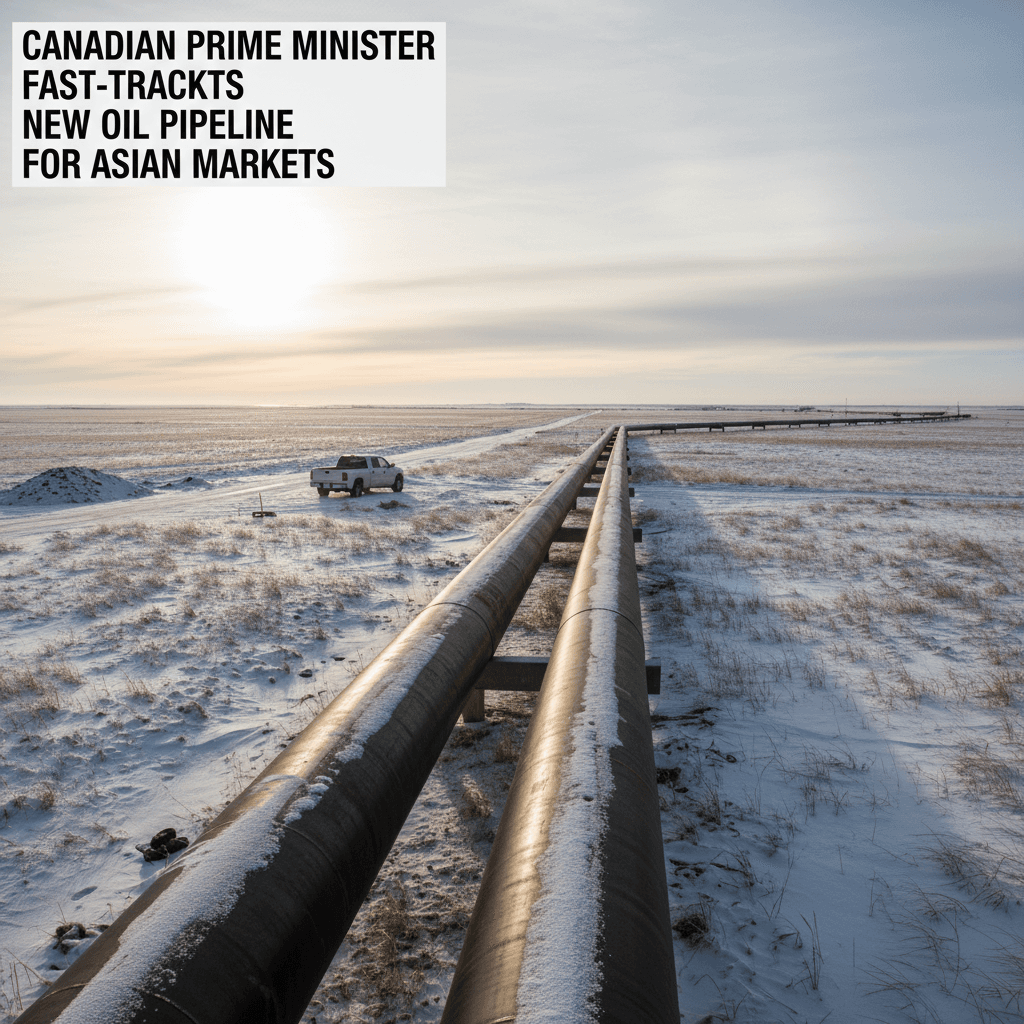
Prime Minister Mark Carney has invoked new powers to expedite regulatory approval for a new, high-capacity oil pipeline, according to a report from Rigzone. The move aims to expand Canada's access to Asian markets. The development, reported on October 2, signals a renewed push by Canada to move its crude oil to West Coast export terminals. For Bakken operators in North Dakota, new Canadian pipeline capacity can influence regional market dynamics. Increased pipeline takeaway capacity from Western Canada can affect the flow of competing crudes, including Bakken barrels, through existing midcontinent pipeline systems. Changes in these flows can impact local basis differentials—the difference between the price of Bakken crude at the wellhead and the U.S. benchmark price. While the Rigzone report did not specify a pipeline route or capacity, any major new Canadian export conduit could alter crude oil logistics in North America. Bakken crude often moves to market via...

🔆Midday Wire·Oct 3
Pipeline & Infrastructure

Canada Moves to Fast-Track Oil Pipeline for Asian Market Access

Canadian Prime Minister Mark Carney is expediting regulatory approval for a new, high-capacity oil pipeline intended to expand Canada's access to Asian markets, according to a report from Rigzone. The report, published October 2, stated Carney has invoked new powers to fast-track the project. The development highlights ongoing efforts by North American producers to reach lucrative overseas markets beyond domestic and traditional refining hubs. Increased Canadian export capacity to Asia could influence global crude pricing benchmarks and shipping routes. For operators in North Dakota's Bakken formation, new Canadian pipeline capacity represents a shifting competitive landscape. Bakken crude, which primarily moves to market via pipelines, rail, and truck, often competes with Canadian heavy and light crude grades in the U.S. Midwest and Gulf Coast refining markets. Enhanced Canadian access to Asian buyers could, over time, alter flow patterns and competition for pipeline space within the continent. However, the specific impact on...

🌅Afternoon Wire·Oct 2