New DAPL Lawsuit Draws Criticism as Bakken Operators Monitor Threat
Standing Rock chairman says safety concerns remain unanswered; InForum column calls new litigation absurd because pipeline has operated since 2017.
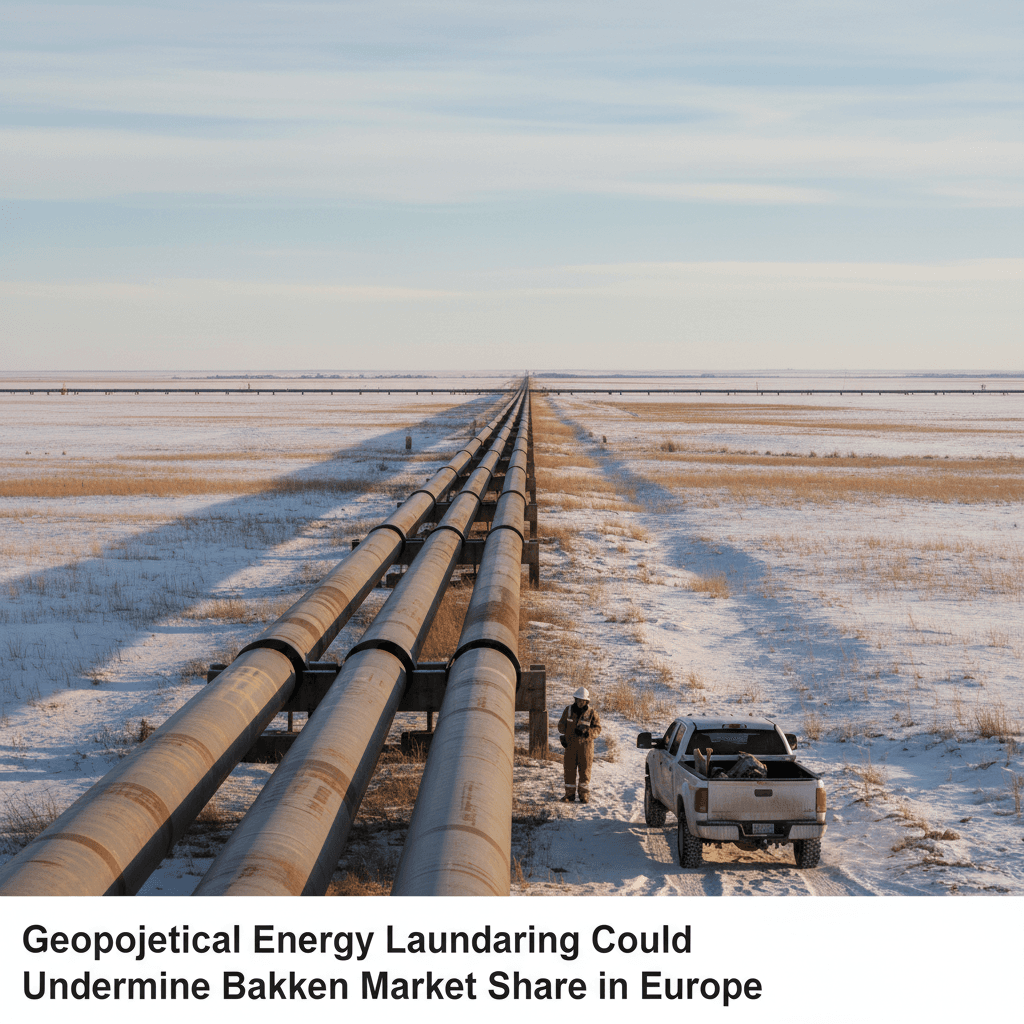
A new legal effort to shut down the Dakota Access Pipeline is drawing scrutiny in North Dakota, where the line is described in an InForum opinion column as "a vital piece of infrastructure serving North Dakota's oil and gas industry." The column, published Oct. 12 and carried by Bing News, centered on a press release from Standing Rock Sioux Tribal Chairman Steve Sitting Bear announcing litigation against the pipeline.
According to the column, Sitting Bear said, "For ten years, Standing Rock’s concerns about this pipeline have not changed, and for ten years we have fought to protect our water, our Treaty rights, and our people." He added, "The Army Corps has now chosen to move forward without addressing those concerns. Until this pipeline is shut down, we will continue to defend what generations before us protected for our children."
The column argued the statement reflects "the political absurdity" of the situation. It noted that the Army Corps issued an easement earlier this year allowing the pipeline to cross the Missouri River upstream from Lake Oahe reservoir, but said the tribe's characterization only makes sense in "the alternate version of reality" created by years of litigation.
The column said that "Out here in the real world," the Dakota Access Pipeline has been operating without significant incident since 2017. It wrote that safety questions have been answered "empirically, immutably and definitively by the fact that the pipeline has operated safely for nearly a decade."
The column also said the pipeline was routed between 95 and 115 feet beneath the riverbed through solid geologic formations using horizontal directional drilling. It said the line is monitored 24 hours a day by automated sensors, emergency shut-off valves and strict pressure-drop thresholds. According to the column, "The engineering worked as designed."
The piece recalled that when camps formed in 2016, activists claimed a spill was "not a matter of if, but when." It said opponents continue to argue as if the pipeline — described as delivering oil for 3,428 days — were "an untested proposal on a blueprint table."
The column pointed to a 2020 federal judge order requiring a comprehensive environmental impact statement. It said regulators conducted an exhaustive, multi-year review of spill prevention, capacity risk and emergency response, culminating in a final statement late last year and the Army Corps granting the easement afterward.
For Bakken operators and royalty owners, the column framed the new litigation as a challenge to infrastructure that has delivered oil for years. It said the lawsuit seeks to shut down the pipeline and that Standing Rock's stated goal is protection of water, Treaty rights and its people.
Source
Bing News, citing an InForum opinion column