WTI Crude--
Brent Crude--
Natural Gas--
ND Rig Count--
WTI Crude--
Brent Crude--
Natural Gas--
ND Rig Count--
North Dakota to Receive $28M Federal Payment for DAPL Protest Costs - Bakken Wire
Pipeline & Infrastructure

North Dakota to Receive $28M Federal Payment for DAPL Protest Costs

The settlement closes a seven-year lawsuit and includes a DOJ statement acknowledging the Obama administration's role in the 2016-17 protests.

Bakken Wire Staff·🔆Midday Wire·

North Dakota will receive approximately $28 million from the federal government to cover costs incurred during the Dakota Access Pipeline protests, according to a settlement announced Thursday. The payment matches a 2025 judgment awarded by U.S. District Court Judge Dan Traynor.

Attorney General Drew Wrigley announced the settlement at a press conference at the state Capitol on June 11, 2026. He stated the agreement prevents both parties from spending more public money litigating the nearly seven-year-old lawsuit, which was originally filed in 2019. The settlement requires the federal government to dismiss its appeal of Traynor's judgment to the 8th Circuit Court of Appeals.

The lawsuit centered on demonstrations against the construction of the crude oil pipeline in rural south-central North Dakota in 2016 and 2017. North Dakota alleged the federal government caused the protests to grow by unlawfully allowing demonstrators to camp on federal land managed by the U.S. Army Corps of Engineers. State leaders had repeatedly called for their eviction.

As part of the agreement, the U.S. Department of Justice issued a statement holding the Obama administration responsible for harms North Dakota incurred. The DOJ said that, while it disagrees with Traynor's legal findings, it "acknowledges in hindsight that, under the Obama Administration, the federal government could have done more to reduce the impacts to the people of North Dakota from the Dakota Access Pipeline protests."

The federal statement also notes that some protesters engaged in unlawful and violent behavior. It maintained that officials at the time chose not to forcibly remove protestors from federal property "to avoid further escalation of unlawful behaviors," a choice it recognizes had "painful consequences for North Dakota and many of its residents."

Wrigley said North Dakota requested the formal statement to secure a public acknowledgement of wrongdoing. "An important chapter in our state’s history has been rendered indisputable and closed," he said.

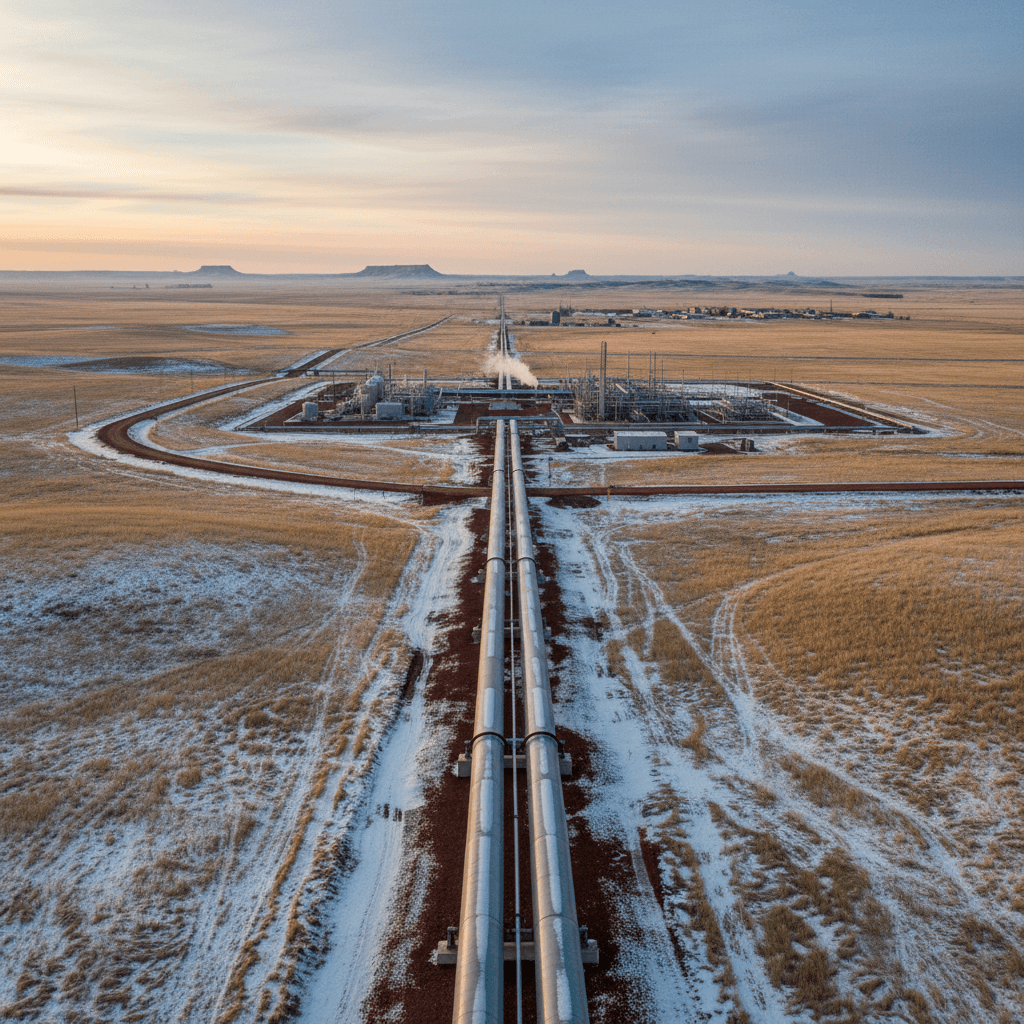
The resolution provides financial closure for North Dakota taxpayers and the state government, which bore significant law enforcement and related costs during the prolonged protests that disrupted pipeline construction critical to Bakken shale oil producers. The Dakota Access Pipeline remains a key conduit for moving Bakken crude to market.

Source

According to reports from the North Dakota Monitor via KFGO and MSN.
dakota access pipelinedapllitigationfederal governmentsettlementprotestsinfrastructure

Share this article

Related Articles

Pipeline & Infrastructure

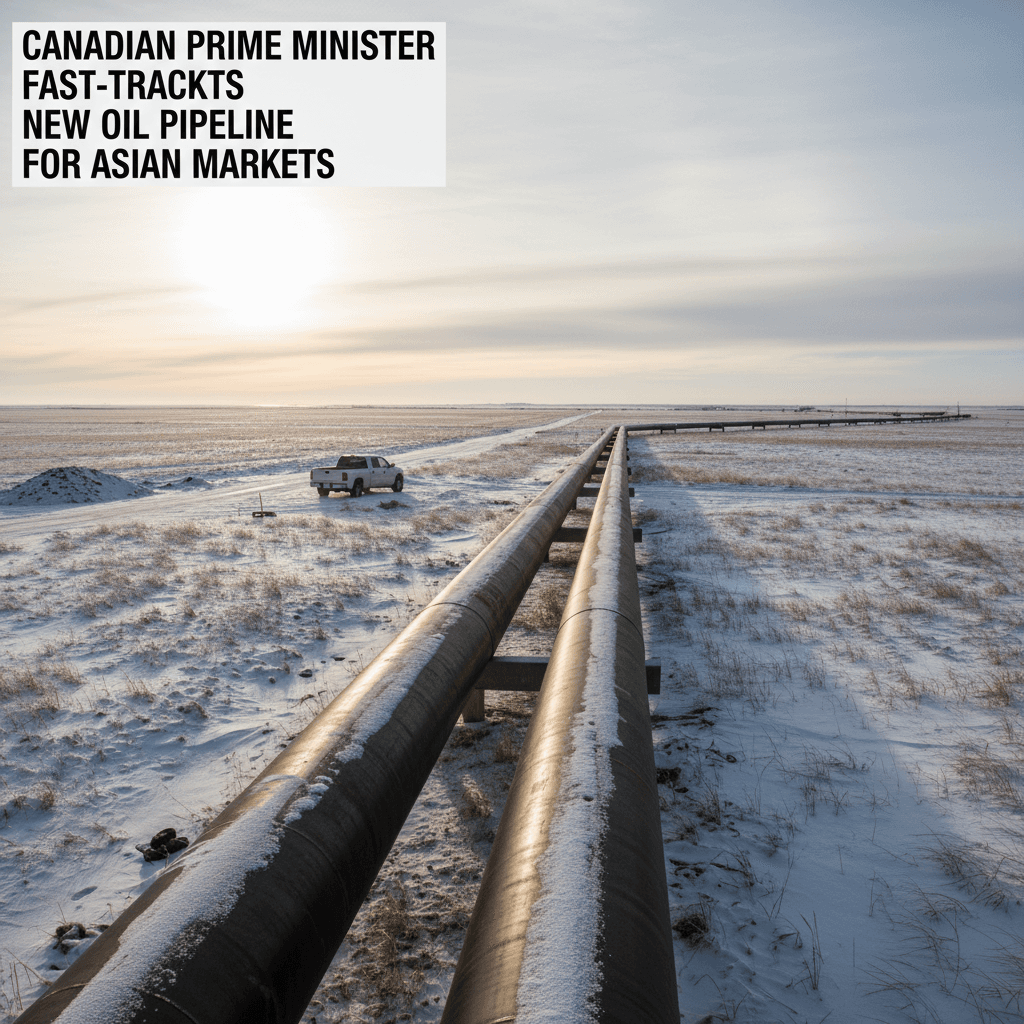
Canada Moves to Fast-Track Oil Pipeline for Asian Markets

Canadian Prime Minister Mark Carney is invoking new powers to fast-track regulatory approval for a major new oil pipeline, according to a report from Rigzone. The move aims to expand Canada's access to Asian crude markets. While the specific pipeline project was not named in the report, the push for increased export capacity from Canada represents a significant shift in North American energy infrastructure policy. For Bakken operators, the development carries both competitive and logistical considerations. Increased pipeline capacity from Western Canada could influence crude pricing benchmarks across the continent, including the Bakken's own local price at Clearbrook, Minnesota. Greater volumes of Canadian crude reaching global markets can affect the supply-demand balance for similar light sweet crudes produced in the Williston Basin. Historically, pipeline constraints have limited Canadian crude to primarily U.S. Midwest markets, keeping a lid on prices. A new high-capacity outlet to Asia could alter that dynamic, potentially...

☀️Morning Wire·Oct 4
Canadian Prime Minister Fast-Tracks New Oil Pipeline for Asian Markets - Bakken Wire
Pipeline & Infrastructure

Canadian Prime Minister Fast-Tracks New Oil Pipeline for Asian Markets

Prime Minister Mark Carney has invoked new powers to expedite regulatory approval for a new, high-capacity oil pipeline, according to a report from Rigzone. The move aims to expand Canada's access to Asian markets. The development, reported on October 2, signals a renewed push by Canada to move its crude oil to West Coast export terminals. For Bakken operators in North Dakota, new Canadian pipeline capacity can influence regional market dynamics. Increased pipeline takeaway capacity from Western Canada can affect the flow of competing crudes, including Bakken barrels, through existing midcontinent pipeline systems. Changes in these flows can impact local basis differentials—the difference between the price of Bakken crude at the wellhead and the U.S. benchmark price. While the Rigzone report did not specify a pipeline route or capacity, any major new Canadian export conduit could alter crude oil logistics in North America. Bakken crude often moves to market via...

🔆Midday Wire·Oct 3
Pipeline & Infrastructure

Canada Moves to Fast-Track Oil Pipeline for Asian Market Access

Canadian Prime Minister Mark Carney is expediting regulatory approval for a new, high-capacity oil pipeline intended to expand Canada's access to Asian markets, according to a report from Rigzone. The report, published October 2, stated Carney has invoked new powers to fast-track the project. The development highlights ongoing efforts by North American producers to reach lucrative overseas markets beyond domestic and traditional refining hubs. Increased Canadian export capacity to Asia could influence global crude pricing benchmarks and shipping routes. For operators in North Dakota's Bakken formation, new Canadian pipeline capacity represents a shifting competitive landscape. Bakken crude, which primarily moves to market via pipelines, rail, and truck, often competes with Canadian heavy and light crude grades in the U.S. Midwest and Gulf Coast refining markets. Enhanced Canadian access to Asian buyers could, over time, alter flow patterns and competition for pipeline space within the continent. However, the specific impact on...

🌅Afternoon Wire·Oct 2