Oil Glut Predictions Face Reality Check as Shell Sells Gulf Asset
Analysts warn surplus calls may be premature amid ongoing logistical hurdles, while Shell divests a non-operated Gulf of Mexico stake.
Crude oil prices are falling on reports of recovering flows through the Strait of Hormuz, with some analysts predicting a market surplus. However, a closer look suggests these glut calls may be premature, according to an analysis from OilPrice.com.
Morgan Stanley commodity analysts noted this week that attention is turning to a 2027 surplus, citing the "twin solvers" of high U.S. exports and low Chinese imports alongside the Strait reopening. Goldman Sachs analysts similarly pointed to fast-recovering tanker traffic and a discount for immediate crude in Asia. The price pressure stems from a perception of returning Middle Eastern supply.
Yet, the report argues this overlooks critical details. The tankers currently leaving the Strait are primarily vessels that had been trapped there for three months during recent conflict, not new vessels arriving to load. Key OPEC producers like Iraq are still far from pre-war output levels; Iraq produced 1.76 million barrels per day last month, a significant improvement from April's 1.49 million bpd but still well below its pre-war output of over 4 million bpd, according to OPEC data. Restoring shut-in production from Gulf wells will take time.
Logistical and insurance hurdles also persist. Energy Aspects’ Amrita Sen told CNBC that shipping costs remain incredibly high and there are not enough shippers willing to return to the Persian Gulf. Insurers, having suspended coverage for Strait transits during the conflict, are in no rush to resume, complicating a full return to normal trade flows.
In other global energy news, Shell has agreed to sell its 50 percent ownership in its only non-operated platform in the Gulf of Mexico, along with associated fields and a 100 percent stake in the Coulomb tieback. The buyers are Ridgewood Energy and Talos Energy, and the deal is valued at $1.7 billion, according to Rigzone.
Meanwhile, a gasoline-supply crunch in Russia is beginning to ripple into Central Asia, Rigzone reported. This disruption in refined products trade could have indirect implications for global fuel markets and trade patterns.
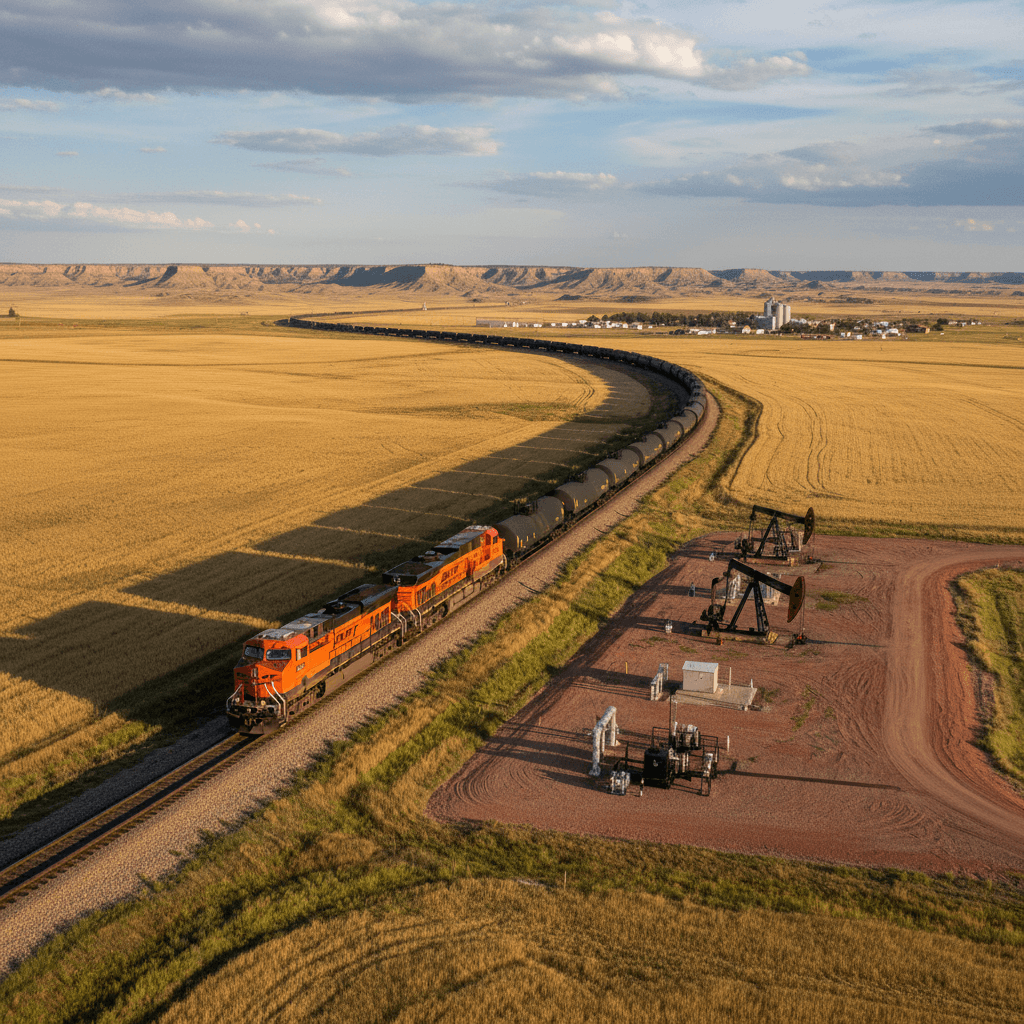
For Bakken operators, the analysis suggesting a premature oil glut forecast is a reminder that global supply rebounds are often slower than headlines imply. Continued logistical bottlenecks and slow production restarts in the OPEC+ bloc could provide a floor for prices, benefiting North Dakota's oil-weighted producers. However, the concurrent downward price pressure from high U.S. exports underscores the competitive market Bakken crude faces, making operational efficiency and access to transportation infrastructure as critical as ever.
Source
OilPrice.com, Rigzone

