Oil Prices Rise Amid Allied Rift Over Iran War, Geopolitical Risk Looms
Germany's public criticism of U.S. strategy and stalled talks contribute to market volatility, impacting Bakken operators.
Oil prices moved higher Monday as diplomatic talks stalled and geopolitical tensions prolonged, according to Rigzone. The market reaction underscores the ongoing risk premium attached to the U.S.-Iran conflict, a situation directly impacting global crude benchmarks and Bakken wellhead economics.
The geopolitical landscape saw a significant development as Germany, a major U.S. ally, signaled a major rupture in Western backing for the war. German Chancellor Friedrich Merz delivered a blunt public warning, stating Iran had proven "clearly stronger than one thought" and that the United States risked sinking deeper into a Middle East quagmire and being "humiliated," OilPrice.com reported. The criticism from the leader of Europe's largest economy points to growing allied discomfort over the strategic direction and economic costs of the war.
The economic fallout from the conflict is already spreading. Germany's GfK consumer-climate index plunged to minus 33.3 for May, the sharpest monthly deterioration since the 2022 energy shock following Russia's invasion of Ukraine, according to OilPrice.com. Berlin has implemented emergency measures to curb fuel price spikes, limiting how often stations can raise gasoline and diesel prices as pump prices climbed above €2 per liter.
For global energy markets, the war's disruptions are critical. The Strait of Hormuz, through which roughly a fifth of global oil trade moves, remains a focal point. Germany has signaled it could contribute minesweepers to protect navigation through Hormuz once hostilities ease, OilPrice.com reported. Concurrently, renewed uncertainty around pipeline flows and Russia's halt to Kazakh crude deliveries to Germany have revived concerns over Europe's supply vulnerability.
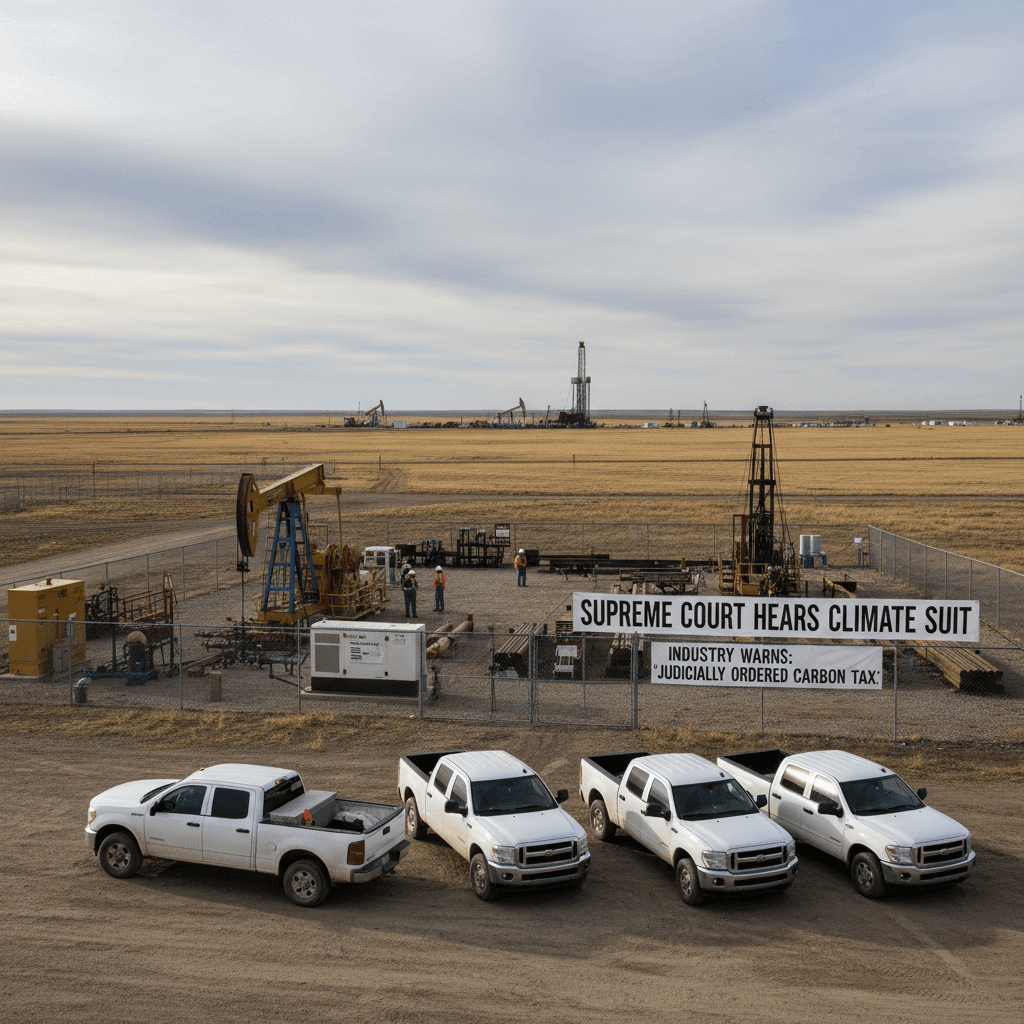
For Bakken operators, the heightened volatility and risk premium in crude markets, driven by these geopolitical fractures and supply concerns, translate into a tighter outlook. While a separate Bing News source highlighted a charming waterfront town in North Dakota, the primary operational focus remains on the macro forces influencing commodity prices and the stability of global trade routes essential for U.S. crude exports. The combination of stalled diplomacy and public allied dissent suggests continued uncertainty will weigh on the market, affecting planning and revenue projections for North Dakota producers.
Source
OilPrice.com, Rigzone, Bing News