Oil Prices Rise on Shipping Threats, Pipeline Roundup
Brent crude hits multi-week high as pipeline developments and shipping route concerns impact Bakken market dynamics.
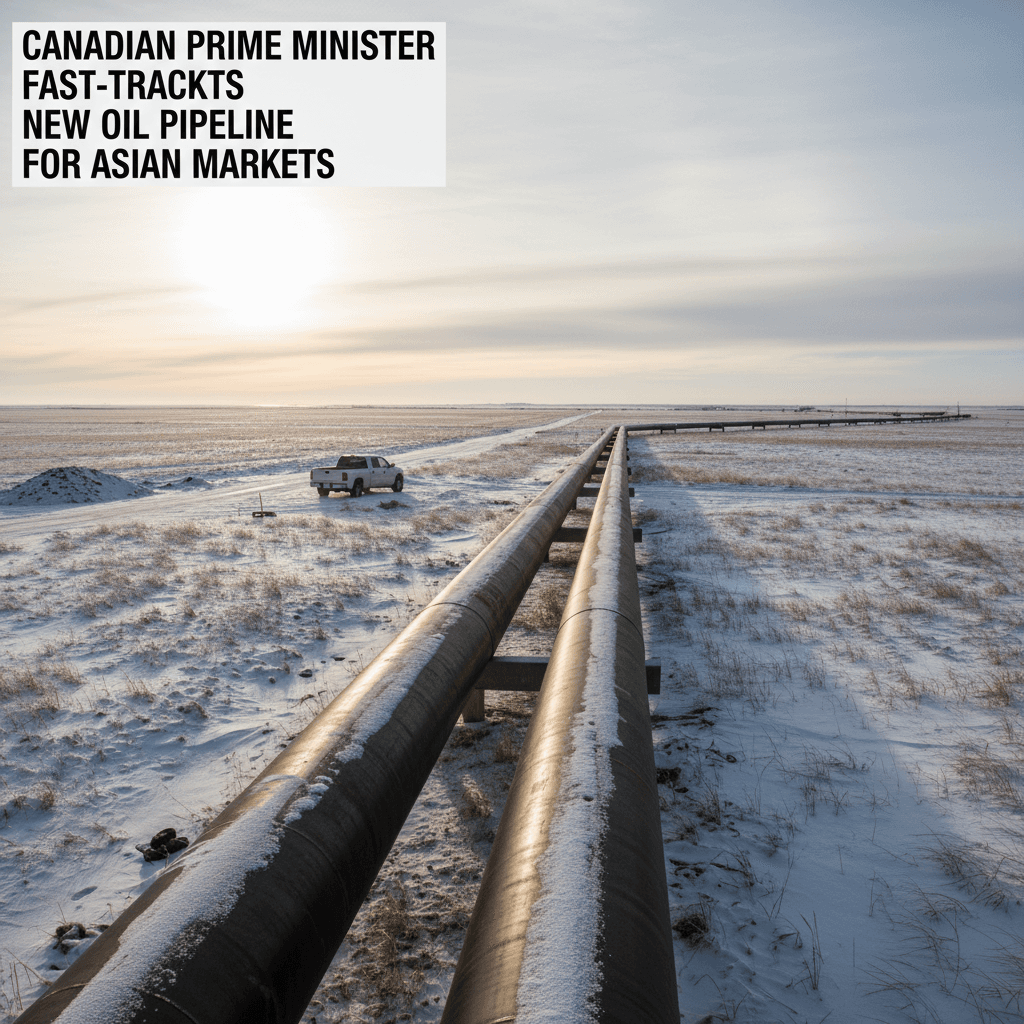
Brent crude futures climbed to their highest level since early June on Tuesday, according to Rigzone, as mounting threats to key global oil shipping routes raised supply concerns. While the Bakken region's crude primarily moves via pipeline and rail to domestic markets, sustained increases in global benchmark prices can improve the economic margins for North Dakota producers.
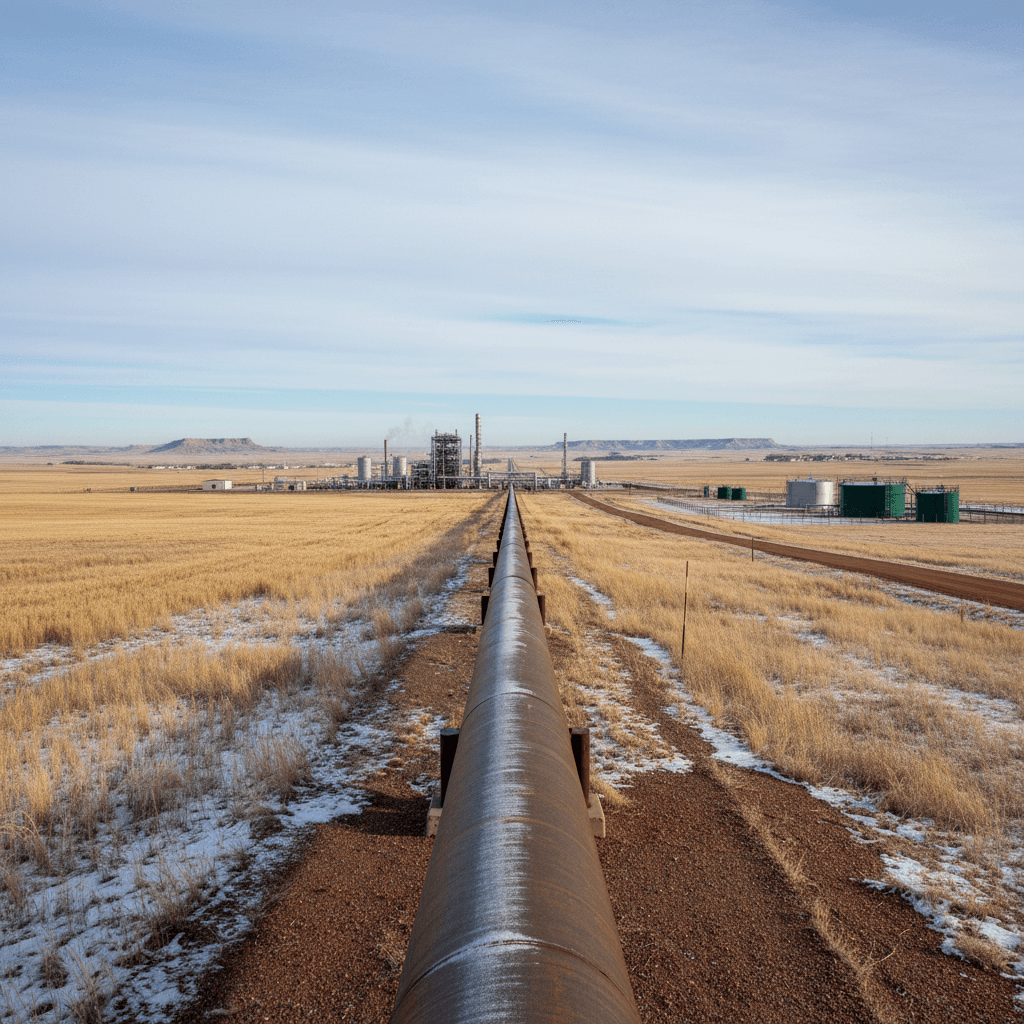
For Bakken operators, the price of Brent and West Texas Intermediate (WTI) crude are critical benchmarks. Higher global prices can strengthen the differentials for Bakken crude at the Clearbrook, Minnesota, and Guernsey, Wyoming, trading hubs. Pipeline capacity remains the primary conduit for Bakken oil to reach coastal refineries and export terminals.
Pipeline developments are constantly monitored by the industry for their impact on takeaway capacity and basis differentials. Expansions or new projects can provide relief to congested routes, while regulatory delays or outages can temporarily bottleneck supply. The recent rise in oil prices, attributed by Rigzone to shipping route threats, underscores how geopolitical events in distant maritime channels can influence the economics of inland shale plays like the Bakken.
The current price environment may incentivize steady production levels among operators in the Williston Basin. However, the lack of direct waterborne export access means Bakken crude prices are more closely tied to inland US pipeline networks and Midwestern refinery demand than to immediate seaborne freight disruptions. Market participants will watch for any knock-on effects on domestic inventories and refinery runs that could alter local price dynamics.
Source
Rigzone