Oil Prices Surge on Renewed Iran Strikes, Geopolitical Tensions
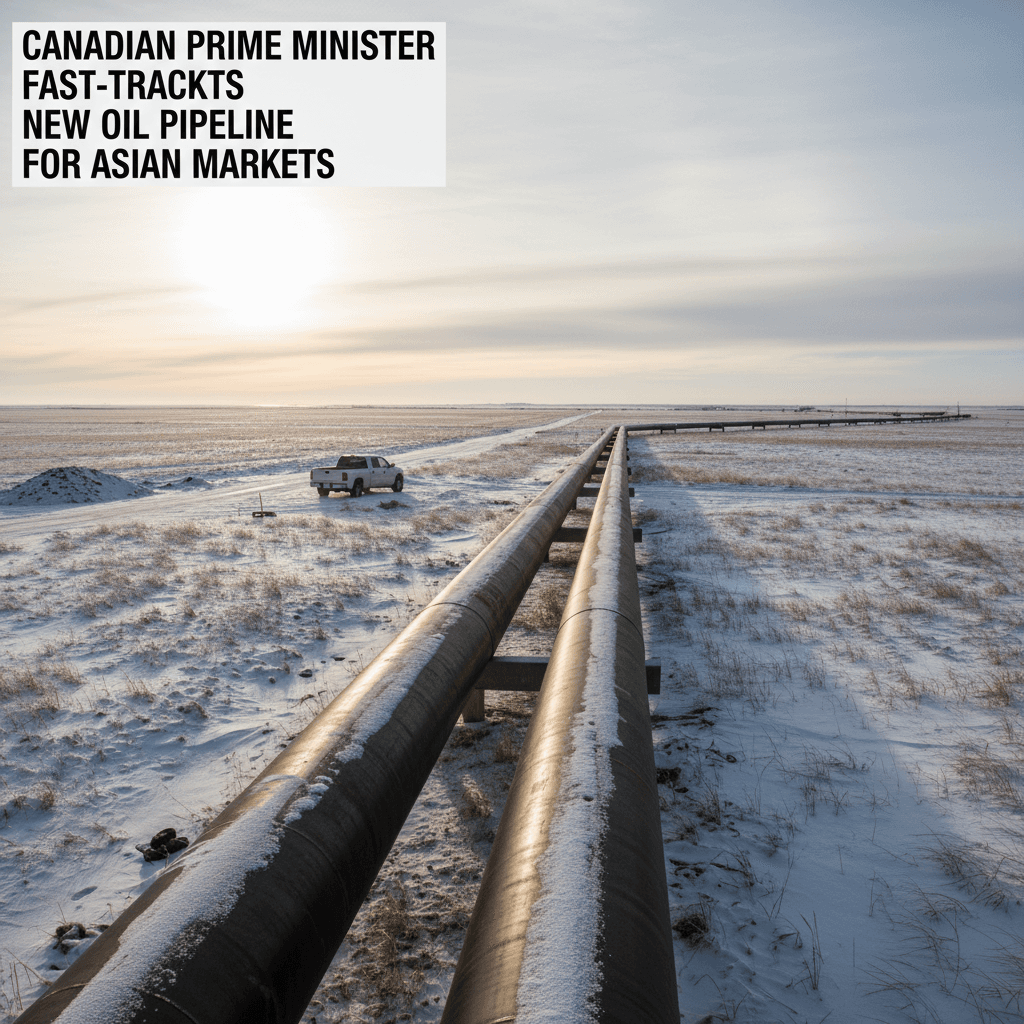
Middle East instability pushes crude higher, impacting Bakken crude pricing and underscoring the importance of secure pipeline export routes.
Oil prices surged to two-week highs following renewed U.S. strikes on Iran and threats to disrupt shipping through the critical Strait of Hormuz, according to a report from Rigzone. The heightened geopolitical tension directly impacts the global crude benchmarks that dictate the price of Bakken crude.
The situation was further complicated by an incident targeting a Qatari tanker near the Strait of Hormuz, which Rigzone reported has imperiled Qatar's role as a primary mediator between the U.S. and Iran. This escalation increases the risk premium priced into global oil markets.
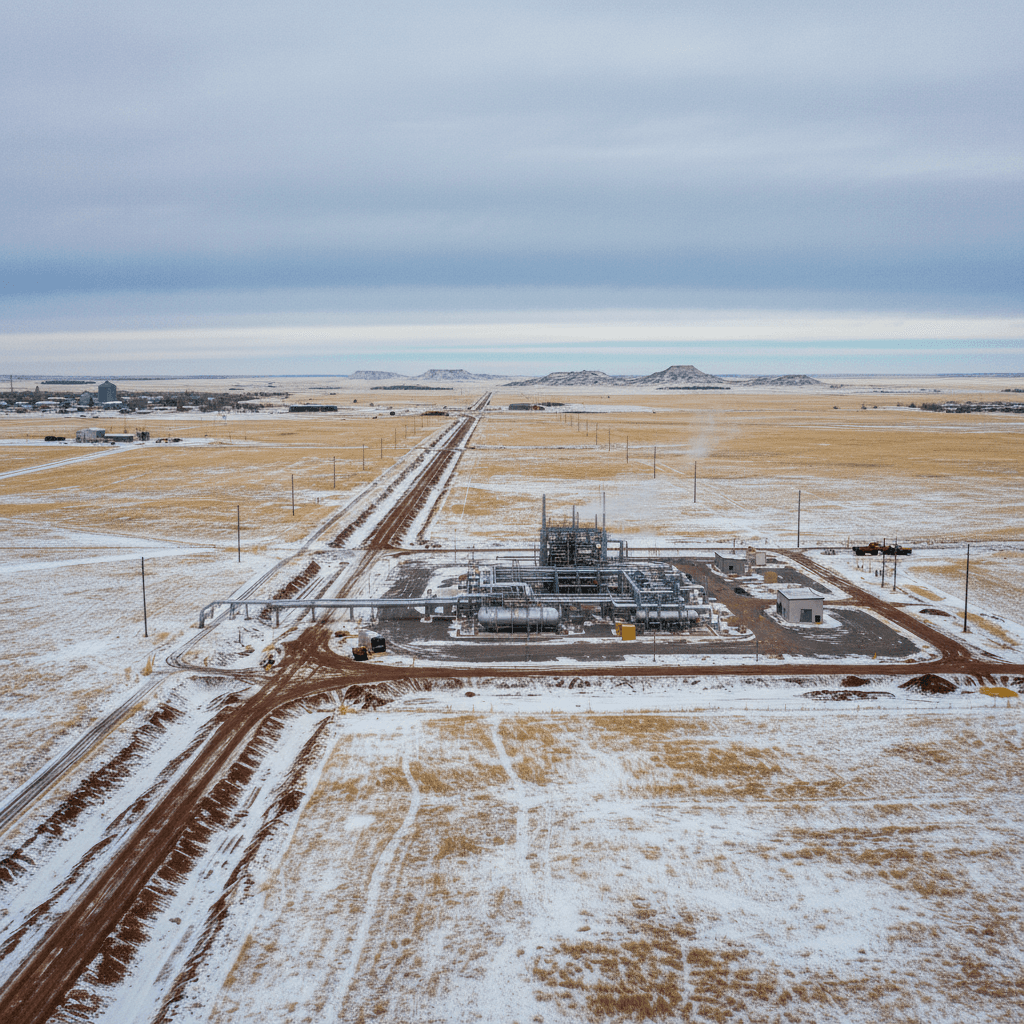
For Bakken operators and royalty owners, these international developments highlight the continued sensitivity of local crude prices to overseas supply disruptions. While North Dakota's oil flows to market primarily via pipelines like the Dakota Access Pipeline (DAPL), the final price received is tied to global benchmarks susceptible to Middle East volatility. Sustained higher prices could improve margins for producers, but also underscore the strategic value of having secure, domestic pipeline infrastructure to move crude to refining and export hubs without relying on unstable maritime chokepoints.
The broader context of global energy supply was also in focus, with Rigzone publishing an analysis comparing the energy production profiles of countries remaining in a World Cup tournament. Such comparisons highlight the United States' position as a top global energy producer, a status heavily supported by prolific basins like the Bakken.
Source
Rigzone reported on oil price surges and mediator status on July 8, 2026. Rigzone analysis on energy comparisons also published July 8, 2026.