Overseas Demand, Geopolitical Risk Shape Bakken Crude Outlook
Wire reports highlight strong foreign interest in U.S. oil as analysts model price impacts of potential Middle East conflict.
Strong international demand for U.S. crude and heightened geopolitical risk are key factors shaping the market for Bakken producers this week, according to recent industry reports.
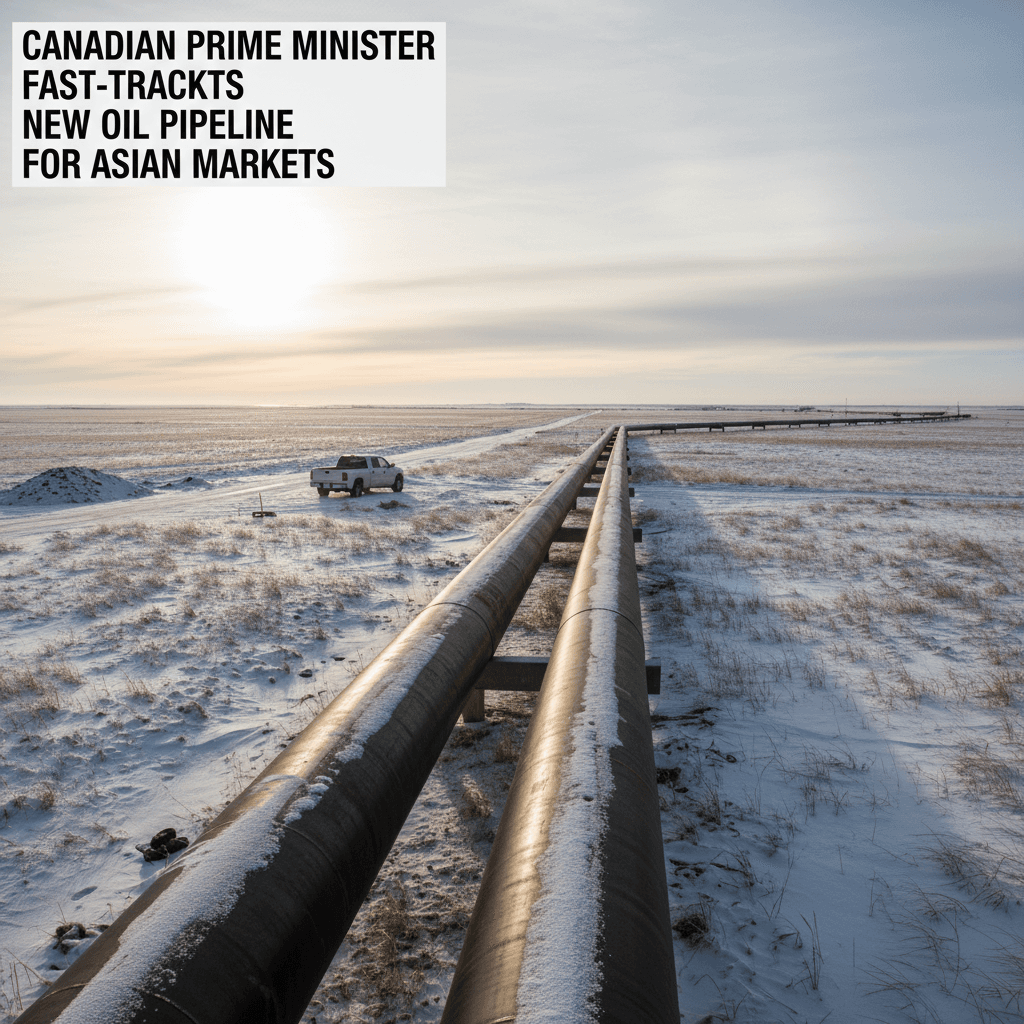
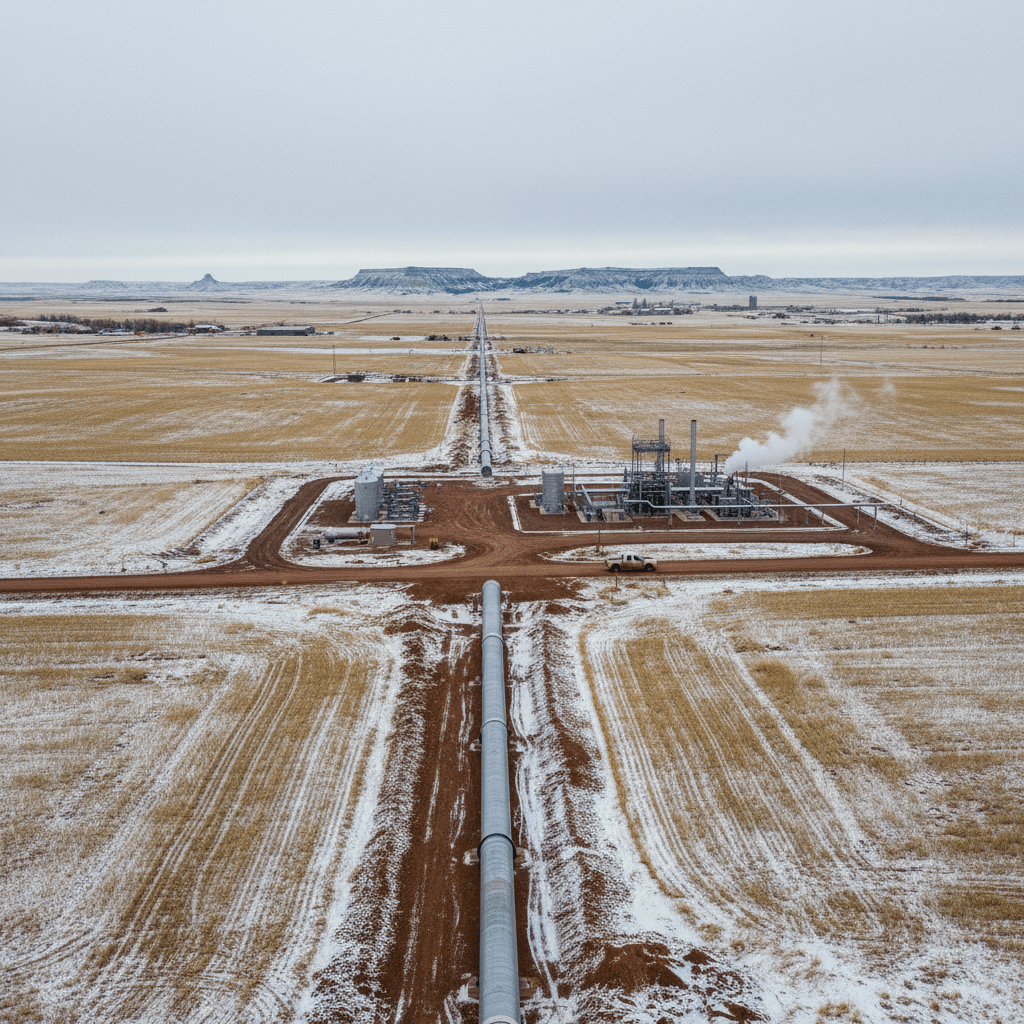
U.S. crude is drawing significant overseas interest from Asian and European refiners, Rigzone reported on July 24. This sustained demand provides a crucial outlet for Bakken production, which relies on efficient transportation to coastal export terminals via pipeline and rail.
Meanwhile, analysts are assessing how escalating tensions could affect global oil prices. Rystad Energy has mapped four potential U.S.-Iran conflict scenarios to gauge their impact on oil markets, Rigzone reported separately on July 24. Any disruption in the Strait of Hormuz, a critical global oil chokepoint, could lead to significant price volatility, directly influencing the price of Bakken crude.
The global market dynamics underscored by these reports highlight the Bakken's position in an interconnected supply chain. North Dakota's oil flows to both domestic refineries and export hubs, where it competes with international grades. Sustained overseas buying interest supports regional price differentials and operator margins.
In other international energy news, Russian producer Novatek posted higher revenue for the first half of 2026, according to a July 24 Rigzone report. However, the company's adjusted net profit for January-June fell nine percent year-on-year to RUB 216.49 billion. While not directly related to Bakken operations, the financial performance of major international LNG players can reflect broader global energy market sentiments.
For Bakken operators and royalty owners, the interplay of robust export demand and geopolitical uncertainty creates a complex pricing environment. The region's crude remains attractive on the global stage, but its value is susceptible to shocks stemming from international flashpoints.
Source
Rigzone (July 24, 2026)