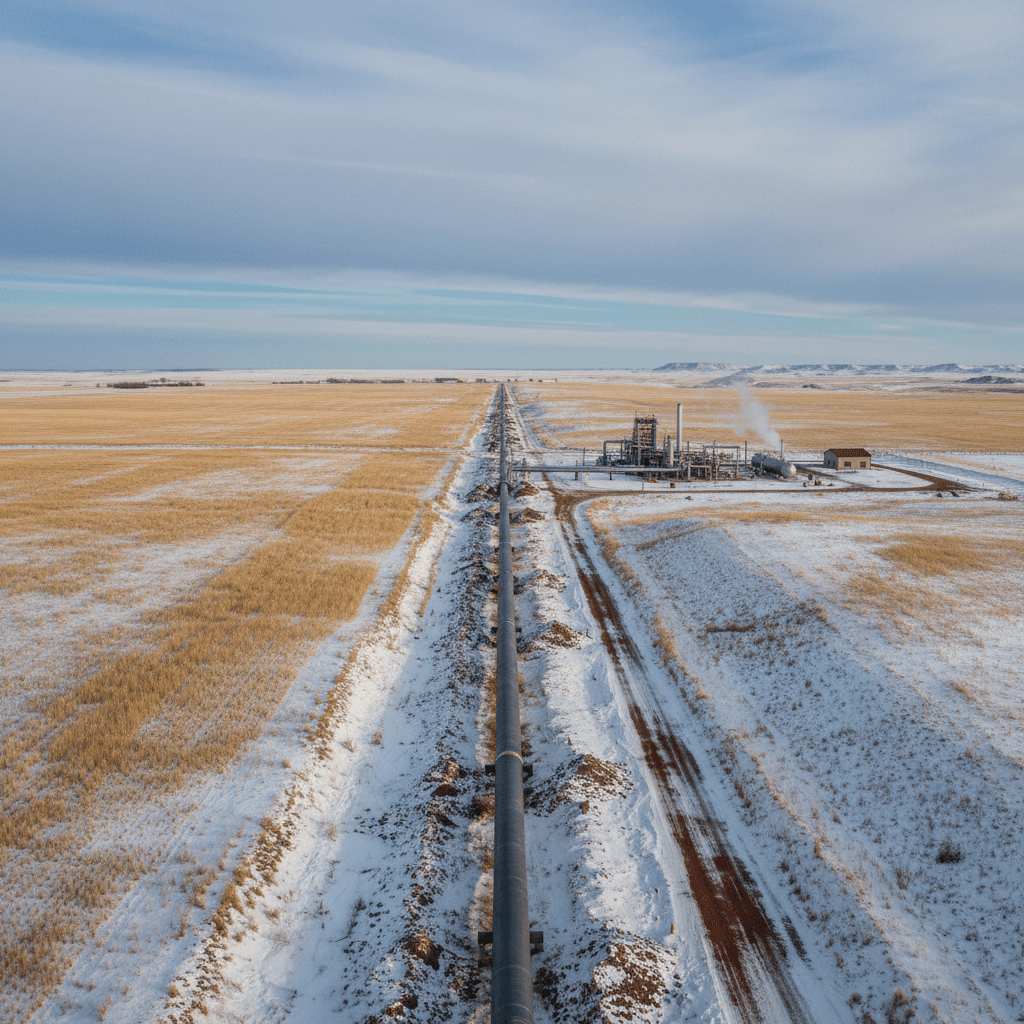
Phillips 66, Partners Sanction 1,300-Mile Western Gateway Pipeline
The new Texas-to-Arizona project aims to create a new fuel supply path to western markets, potentially offering Bakken crude another route.
Phillips 66 and its partners have given final investment approval to the Western Gateway pipeline project, a major new infrastructure plan to move oil from the Gulf Coast to the Southwest. According to Rigzone, the sanctioned project will stretch 1,300 miles.
The pipeline is designed to create a new fuel supply path from origin points in St. Louis, Missouri, and expanded Gulf Coast locations to markets in Arizona and California. The development, reported on August 12, represents a significant new outlet for crude oil moving from the central United States.
For Bakken shale operators in North Dakota, new pipeline capacity to western destinations can provide optionality for crude shipments. While the project's primary stated origins are the Gulf Coast and St. Louis, such infrastructure can influence broader midcontinent pipeline networks and pricing dynamics.
The Bakken formation, a major tight oil play, has historically relied on a mix of pipelines, rail, and trucks to move its crude to coastal refineries and export terminals. Additional long-haul pipeline projects can alleviate regional bottlenecks and potentially improve netbacks for producers by opening access to new demand centers.
The sanctioning of the Western Gateway project indicates continued industry investment in pipeline infrastructure despite energy transition pressures. Its focus on supplying Arizona and California markets suggests targeting regions with specific refinery configurations or persistent supply needs.
Final investment decisions on large-scale projects like this are closely watched by Bakken operators as they signal future takeaway capacity and market connectivity. The development will be monitored for its potential to integrate with existing systems that carry Bakken crude southward.
Source
Rigzone