Ukraine-Russia Strikes Target Energy Infrastructure
Attacks on refineries and fuel facilities highlight global energy market volatility relevant to Bakken producers.
A series of strikes between Ukraine and Russia targeted critical energy infrastructure over the past 24 hours, according to a report from Rigzone. The developments underscore the ongoing geopolitical instability that influences global oil markets.
Ukraine conducted overnight strikes on a slew of Russian energy targets, Rigzone reported on July 14. Concurrently, Russian forces hit fuel facilities in the Ukrainian port city of Odesa. These attacks represent a continued focus on disrupting the adversary's energy and fuel logistics.
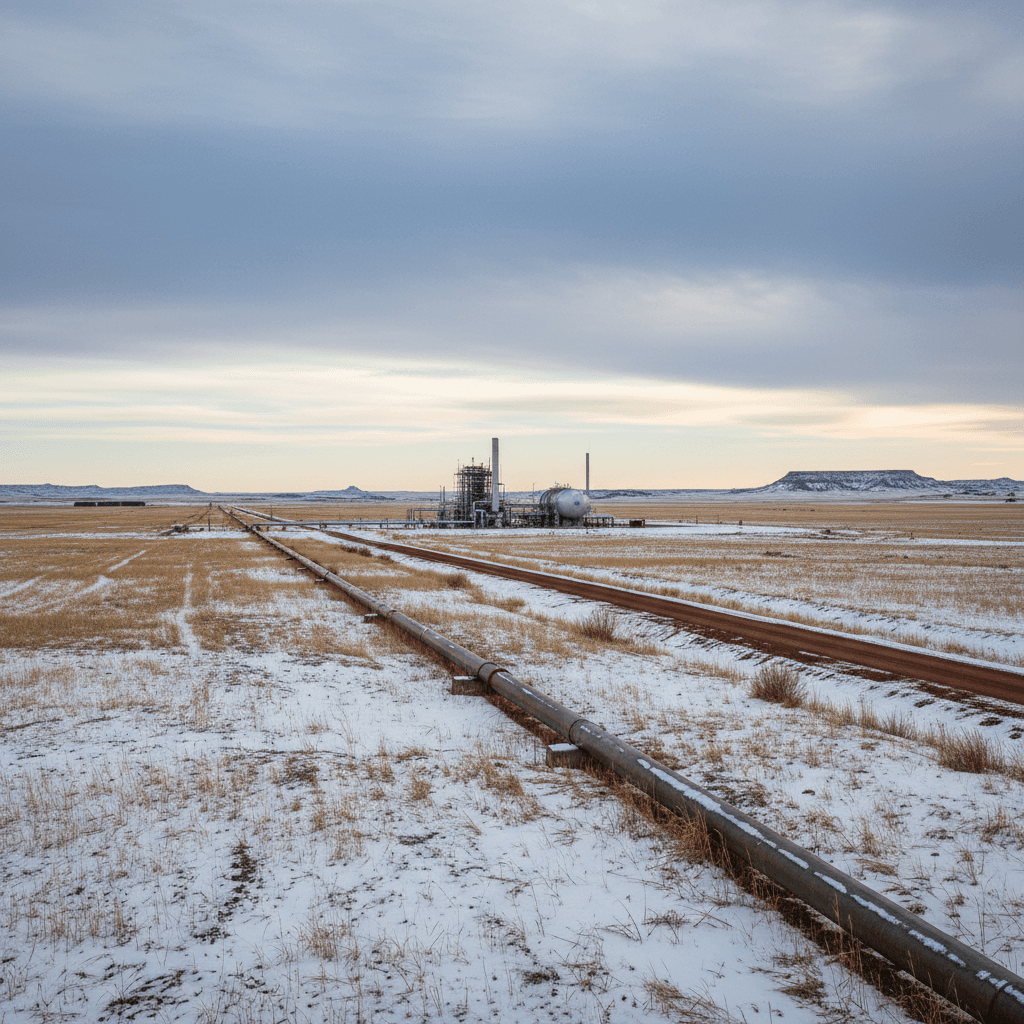
While these events are geographically distant from North Dakota, they have a tangible impact on the operating environment for Bakken producers. The Bakken formation is a major U.S. oil-producing region, and its crude is priced within a global market. Geopolitical tensions, particularly those involving major energy producers and transit routes, can lead to price volatility for West Texas Intermediate (WTI) and other benchmark crudes.
For Bakken operators and mineral rights owners, such volatility directly affects cash flow and planning. Sudden price spikes can improve margins in the short term, while increased uncertainty can influence long-term investment decisions for drilling and well completion. The attacks on refineries specifically can alter global refined product supplies, which indirectly affects the demand and pricing for light sweet crude oil like that produced in the Williston Basin.
The situation reinforces the importance of stable domestic infrastructure, including pipelines and refining capacity, to mitigate the effects of international disruptions. Bakken production is primarily transported via pipeline to U.S. refineries and export terminals, insulating it to some degree from direct supply chain attacks but not from the resultant financial market movements.
Source
Rigzone