Bakken Rig Count at 22 as Oil Prices Hold Above $100
Sustained high crude prices support moderate activity, providing stability for regional workforce and economies.
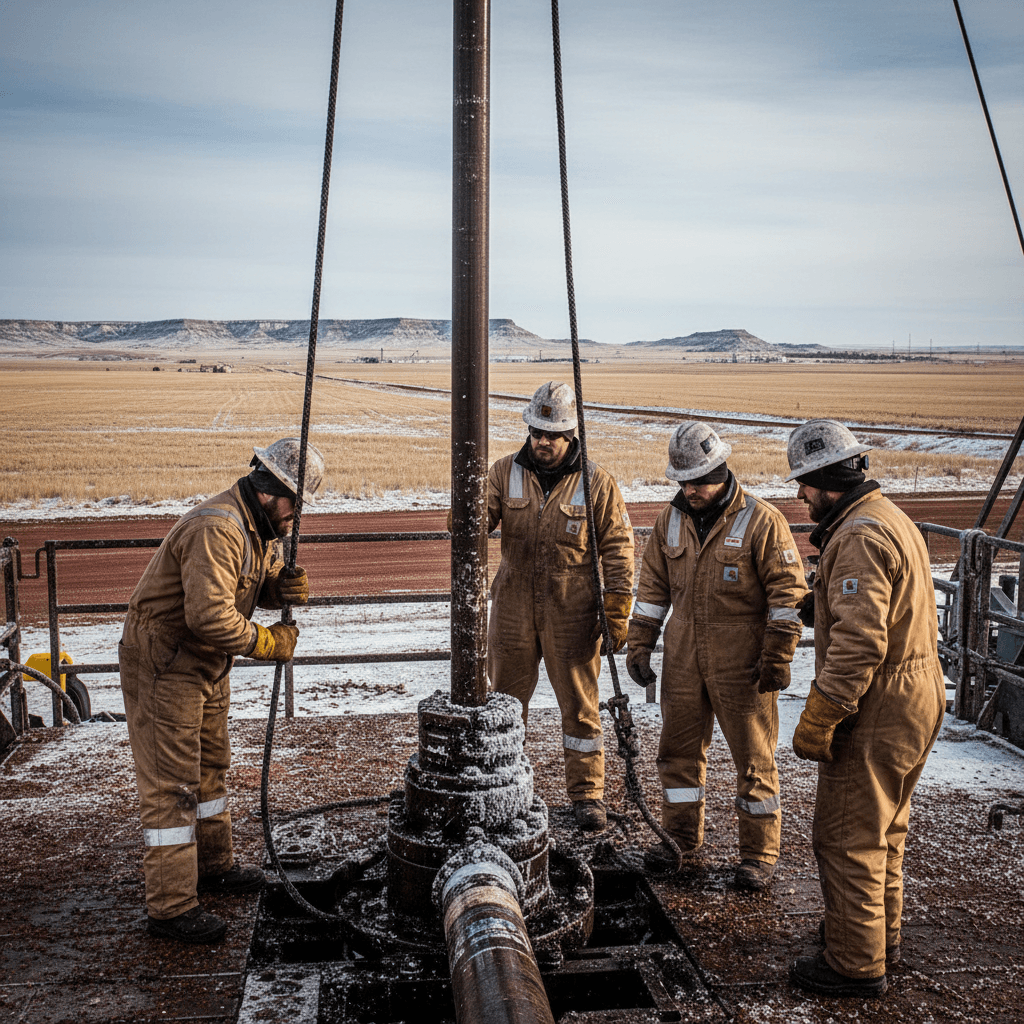
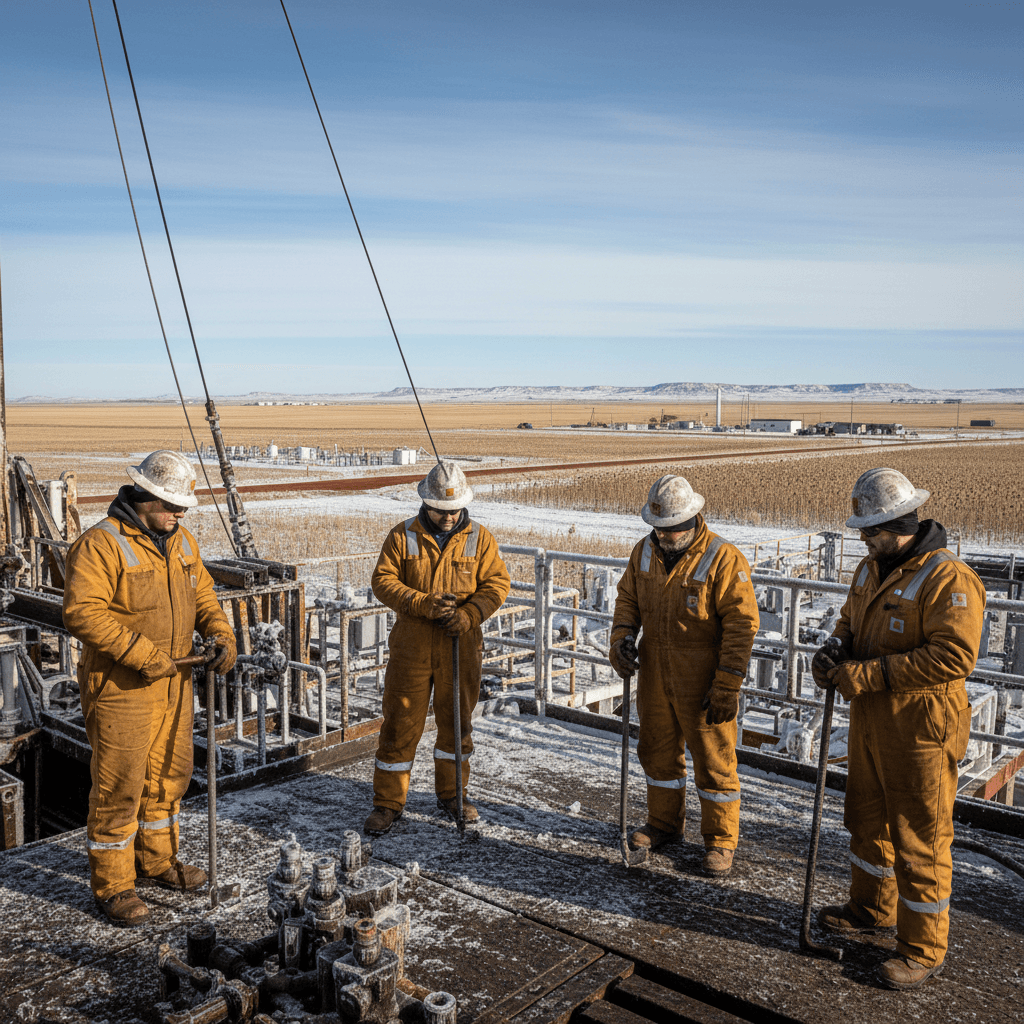
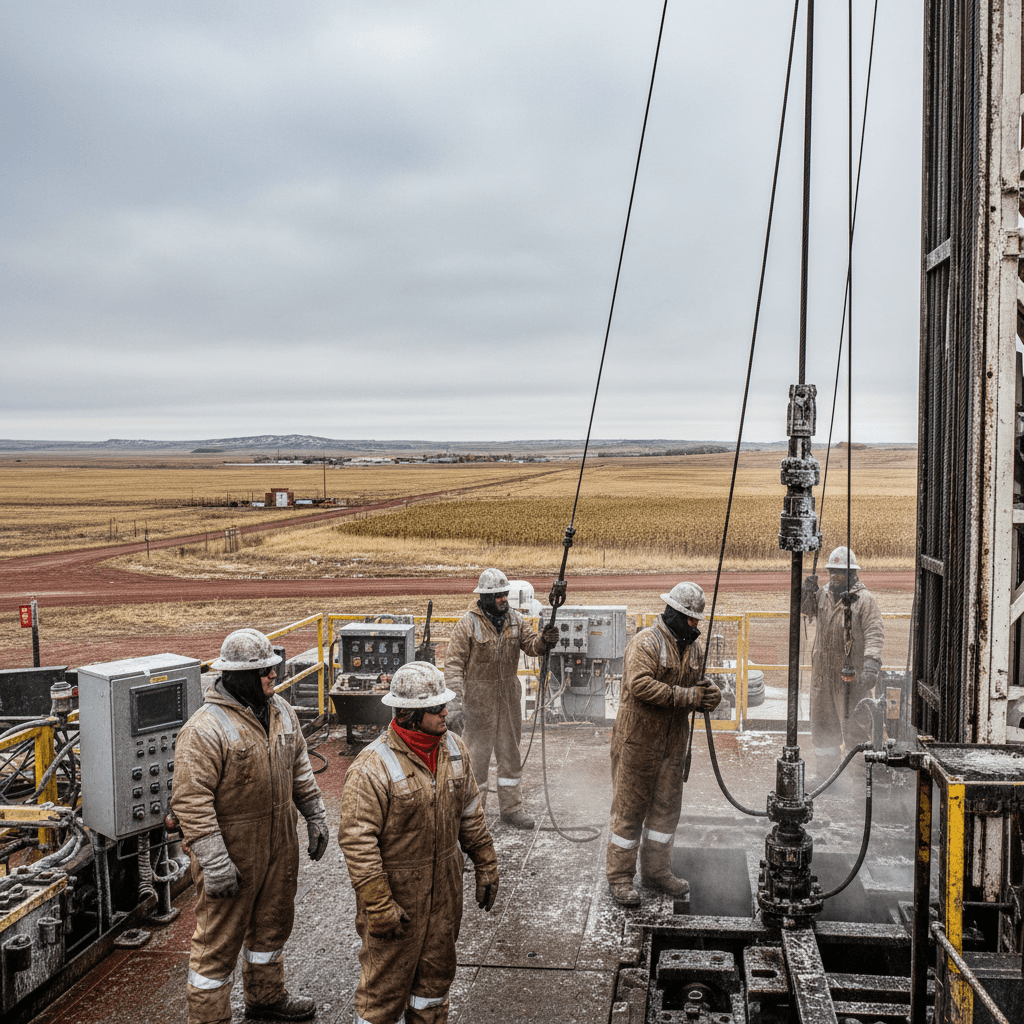
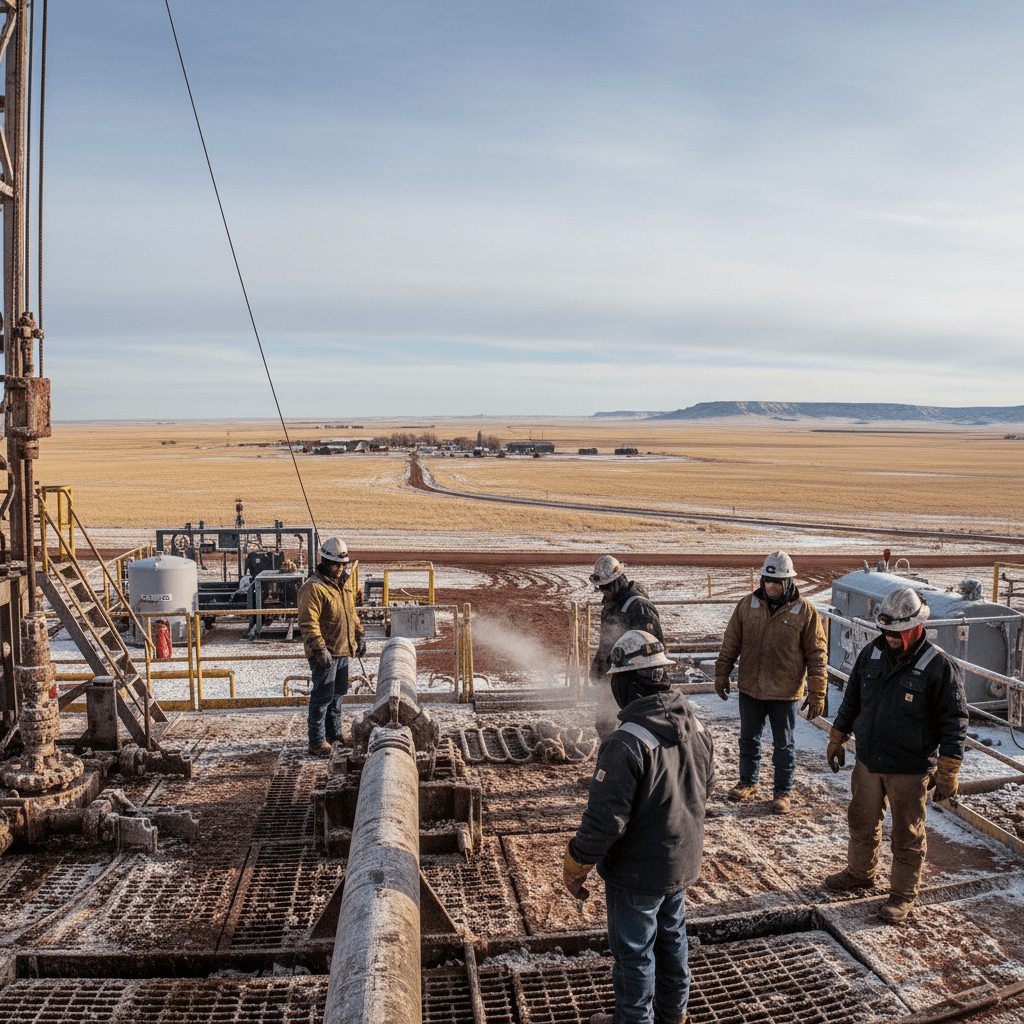
The North Dakota oil industry is operating with 22 active drilling rigs as of Tuesday, May 19, 2026, according to Bakken Wire live data. This level of activity, coupled with West Texas Intermediate crude holding above $103 per barrel, provides a baseline of economic support for workforce and communities in the Bakken region.
The current rig count represents a stabilized operational level for the basin. Historically, the number of active rigs is a direct driver of employment in the oilfield services sector, impacting jobs for drillers, field technicians, and transportation crews. With prices sustained near current levels, operators are likely maintaining, but not aggressively expanding, their drilling programs.
This moderate activity has downstream effects on local economies in western North Dakota. Community indicators such as housing demand and commercial vacancy rates often correlate with rig count trends. A stable count around 22 suggests a balanced pressure on housing markets compared to the extreme boom-and-bust cycles seen in previous decades.
The Bakken crude price differential, reported at a discount of $3.42 per barrel below WTI, influences local operator revenues and their ability to fund operations and payroll. The global benchmark Brent crude was trading at $110.94.
General industry context underscores the relationship. The Bakken formation is North Dakota's primary oil-producing region, and its activity level is a key economic engine for the state. When drilling activity is high, it increases demand for local goods, services, and housing, boosting municipal revenues. Conversely, sharp declines in rig counts can lead to workforce contraction and economic stress.
The current environment, with WTI at $103.89 and a steady rig count, suggests a period of relative equilibrium for Bakken communities. This allows for more predictable planning in local government budgets and business investments compared to periods of volatile price swings and rapid activity changes.
Natural gas prices, at $3.08 per MMBtu, remain a secondary factor for the region's economics, as the Bakken is primarily an oil-driven play.
For Bakken operators and royalty owners, the sustained price level supports ongoing production economics. For the regional workforce, the consistent rig activity indicates continued, but measured, demand for oilfield skills in the Williston Basin.
Source
Bakken Wire live data as of Tuesday, May 19, 2026