Bakken Rig Count at 23 as Oil Prices Retreat from Recent Highs
Workforce stability hinges on sustained commodity prices as operational activity remains moderate.
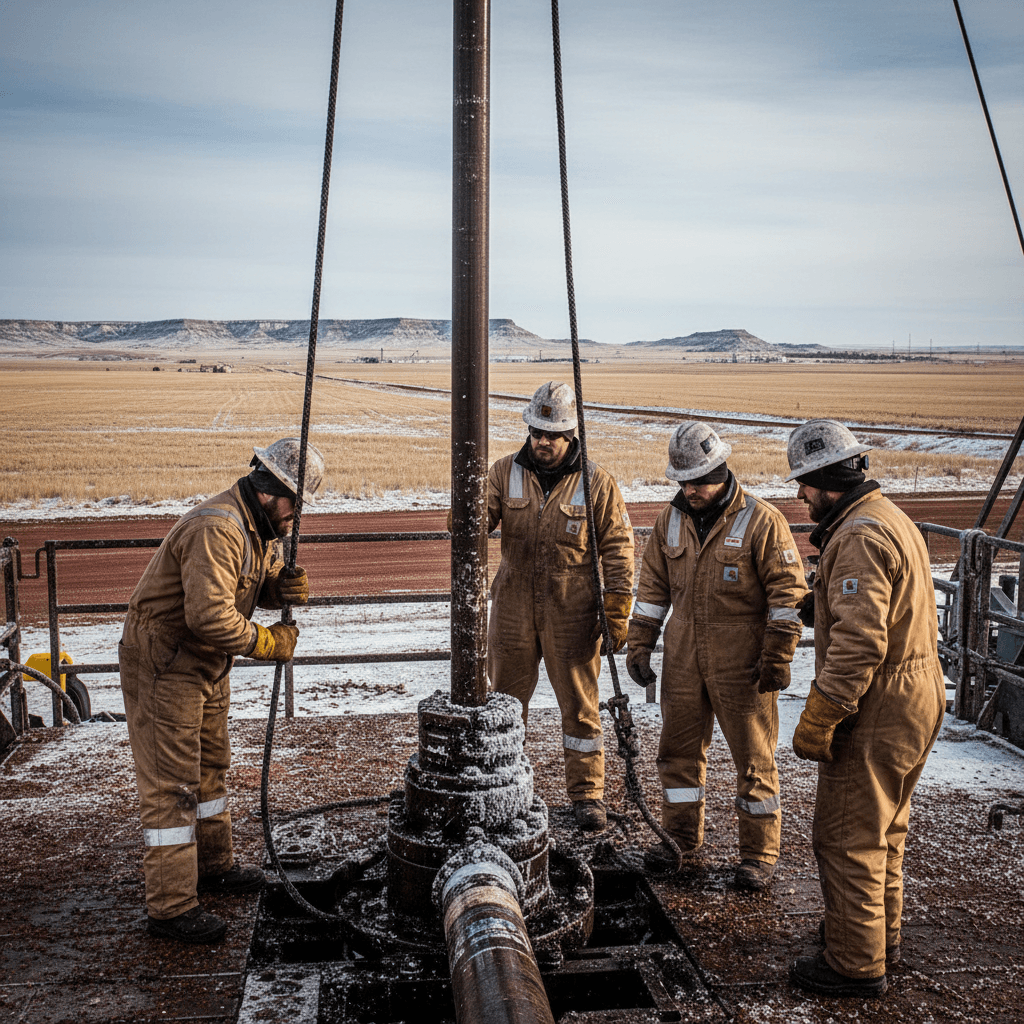
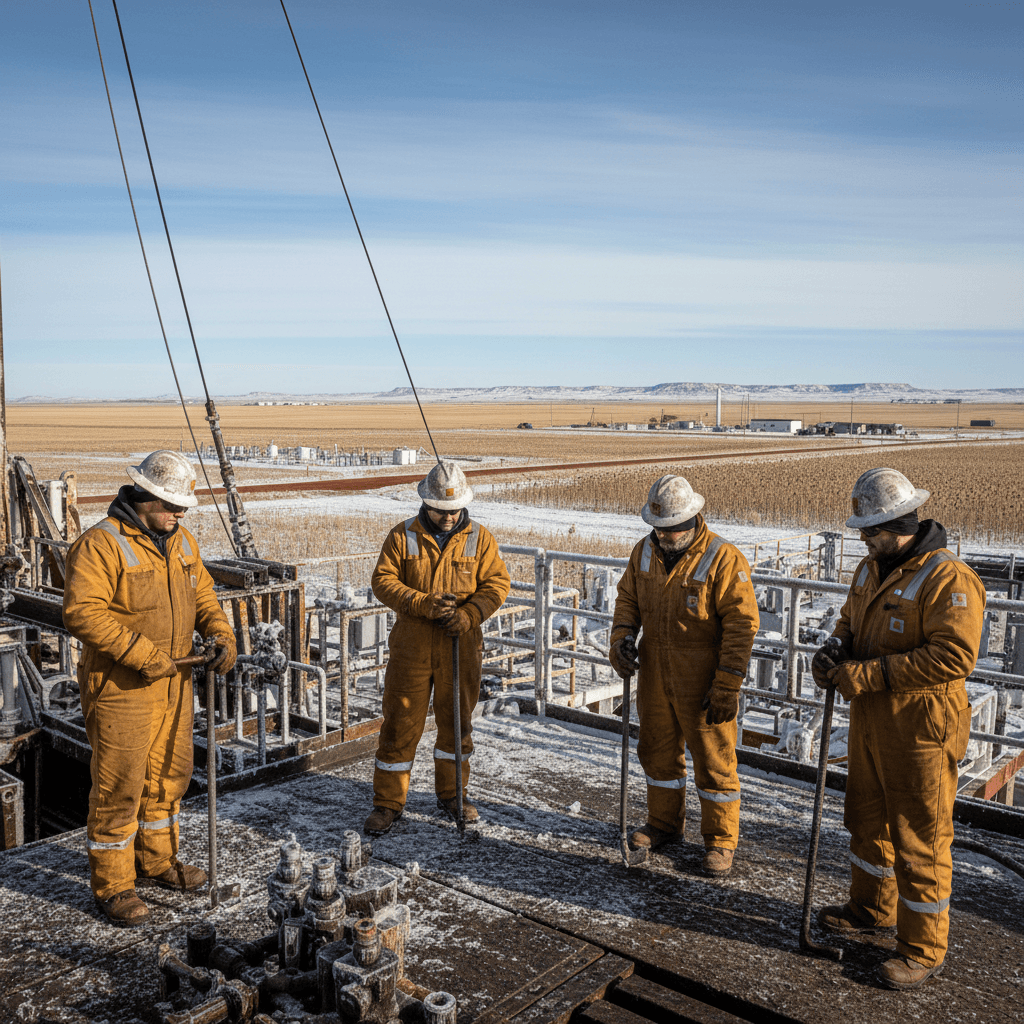
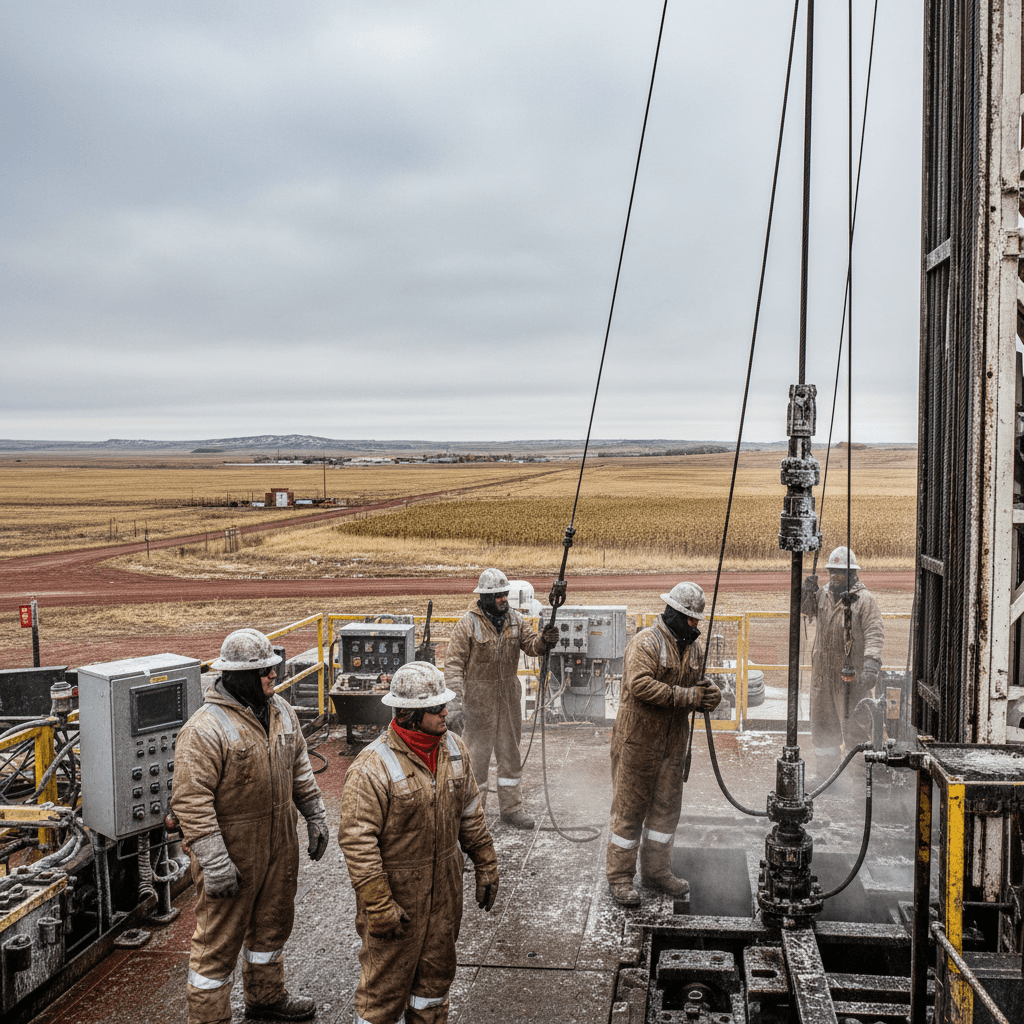
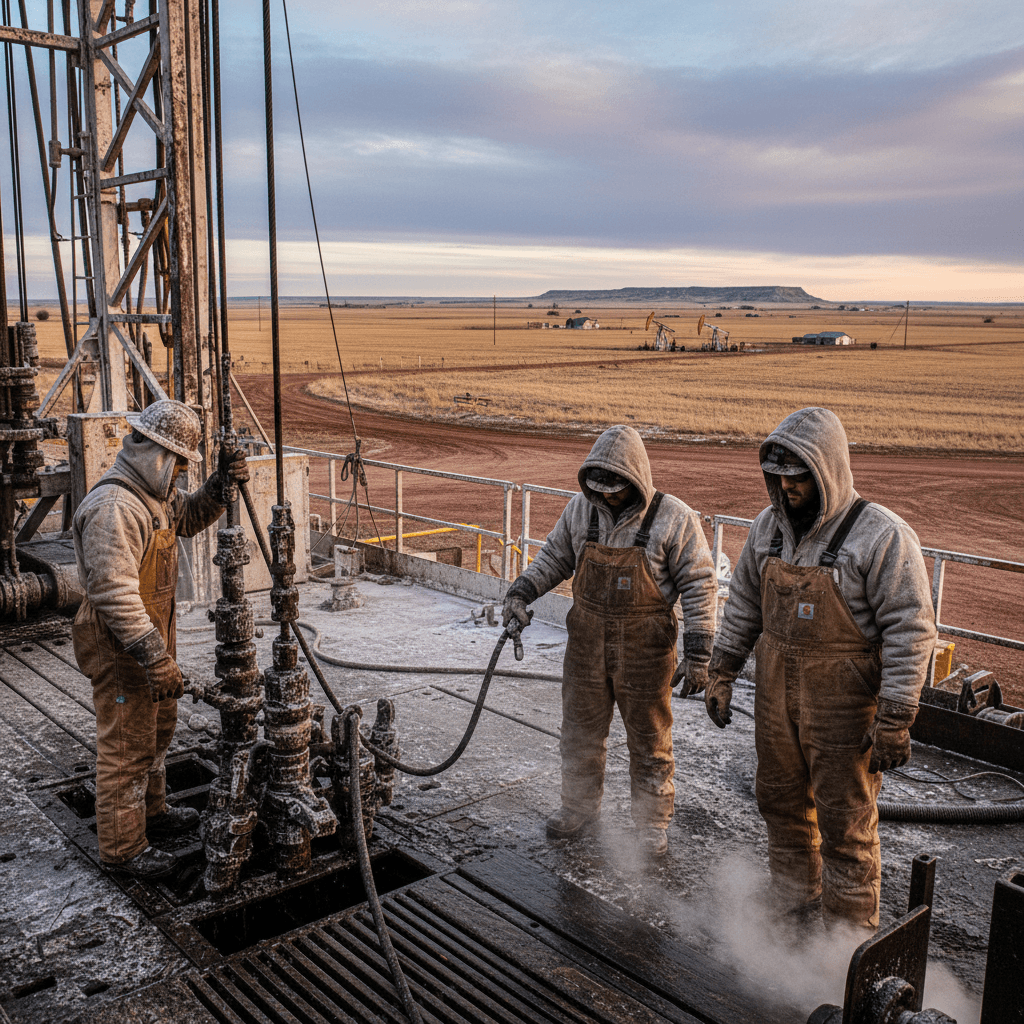
The North Dakota oil industry is operating with 23 active rigs as of Thursday, April 30, 2026, a level indicative of steady but measured activity in the Bakken formation. This rig count, a key indicator of drilling and employment intensity, suggests a stable workforce environment in the region's core counties.
The price environment supporting this activity has shifted. West Texas Intermediate (WTI) crude traded at $104.25 per barrel midday, a decline of $2.63 or 2.46% from previous settlements. Brent crude also softened to $109.66. The Bakken crude differential stood at -$3.42 versus WTI, meaning Bakken barrels are priced at a discount to the benchmark. Natural gas held at $2.69 per MMBtu.
Historically, rig counts in the Bakken are closely tied to oil price signals. Sustained prices above $100 per barrel typically support drilling programs and the associated employment across drilling crews, completions teams, and field service operations. The current moderate rig level suggests operators are maintaining core development plans but may not be embarking on significant expansion.
The direct impact on workforce and communities is multifaceted. A stable rig count near current levels generally correlates with stable employment in the oilfield service sector, reducing the volatility that can lead to rapid population swings. Housing markets in cities like Williston, Dickinson, and Minot often experience less pressure during periods of consistent, moderate activity compared to boom cycles.
Local economies, heavily reliant on oil and gas activity for sales tax revenue, commercial leasing, and ancillary business support, benefit from predictability. The current price and activity level provides a foundation for municipal planning and budget stability, avoiding the extremes of both boom-time strain and downturn contraction.
The Bakken formation remains North Dakota's primary oil-producing region, and its operational tempo is a primary driver for western North Dakota's economic health. Community infrastructure, from schools to roads, has been built and maintained with revenues generated during periods of high industry activity. The present environment allows for maintenance and incremental growth rather than emergency expansion or contraction.
Source
Bakken Wire Live Data as of April 30, 2026