Bakken Rig Count Holds at 20 as Strong Oil Prices Support Regional Stability
Sustained crude prices above $90 provide economic foundation for workforce and communities despite moderated activity levels.
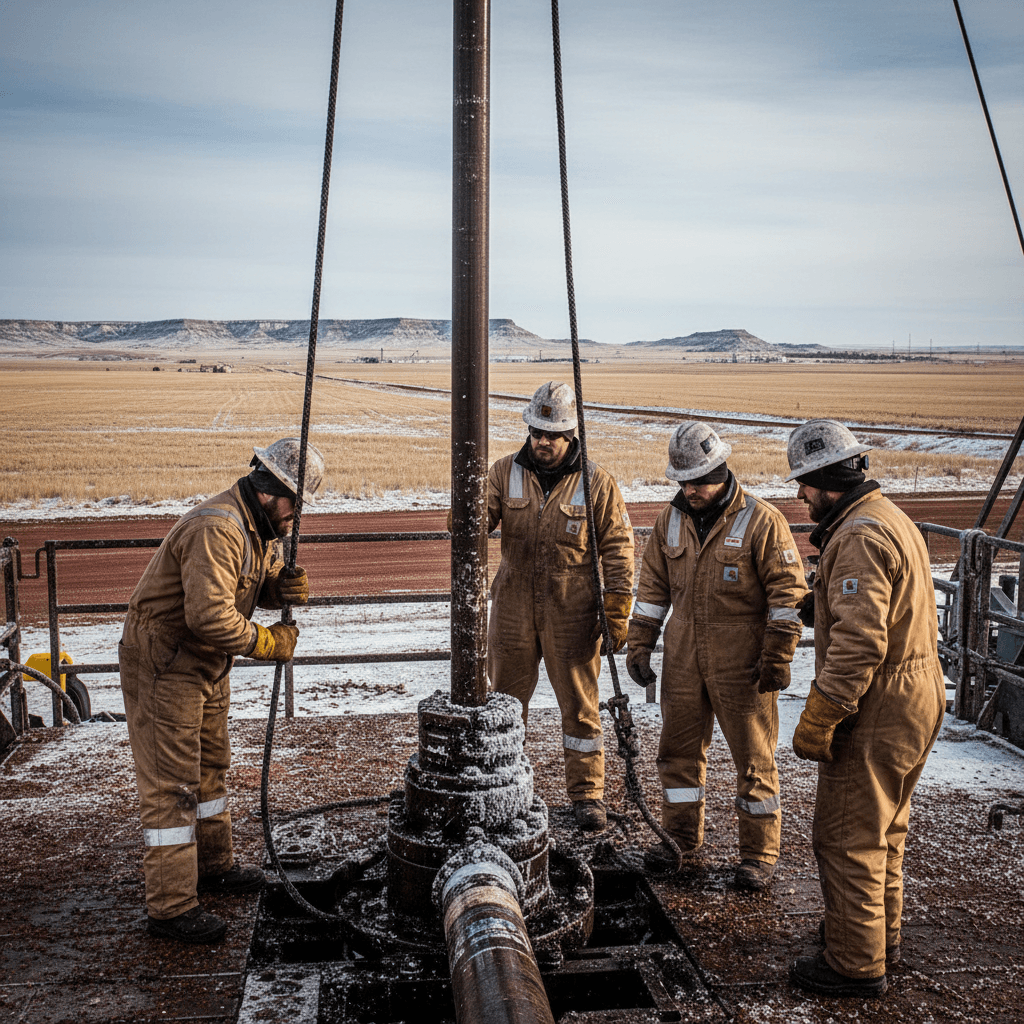
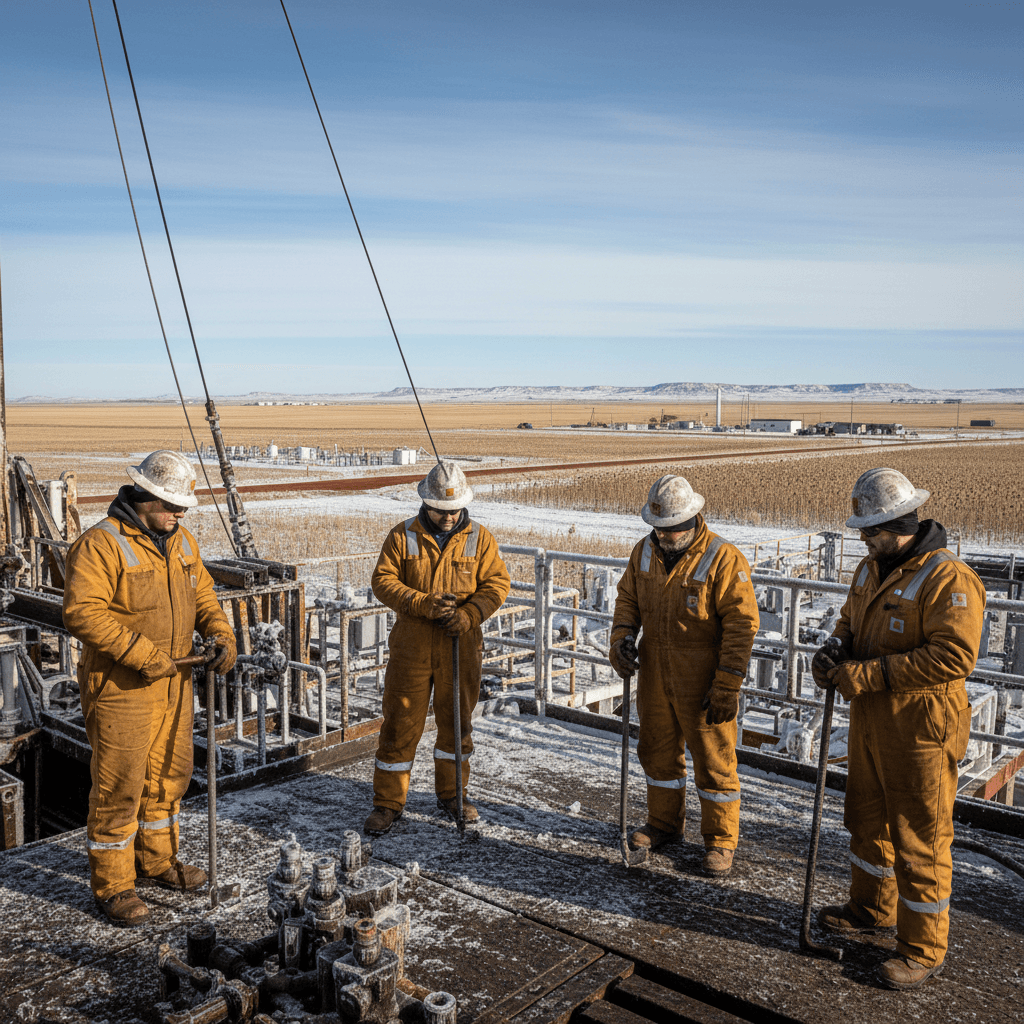
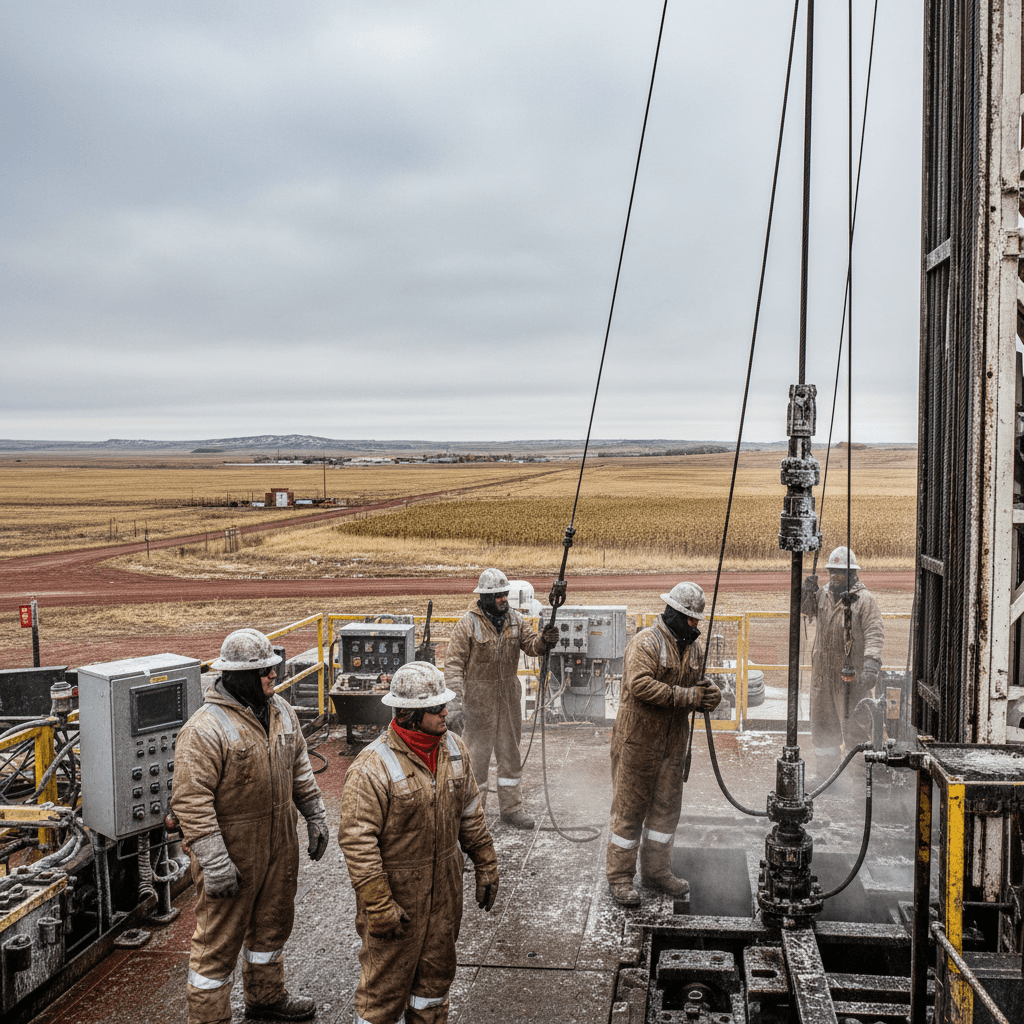
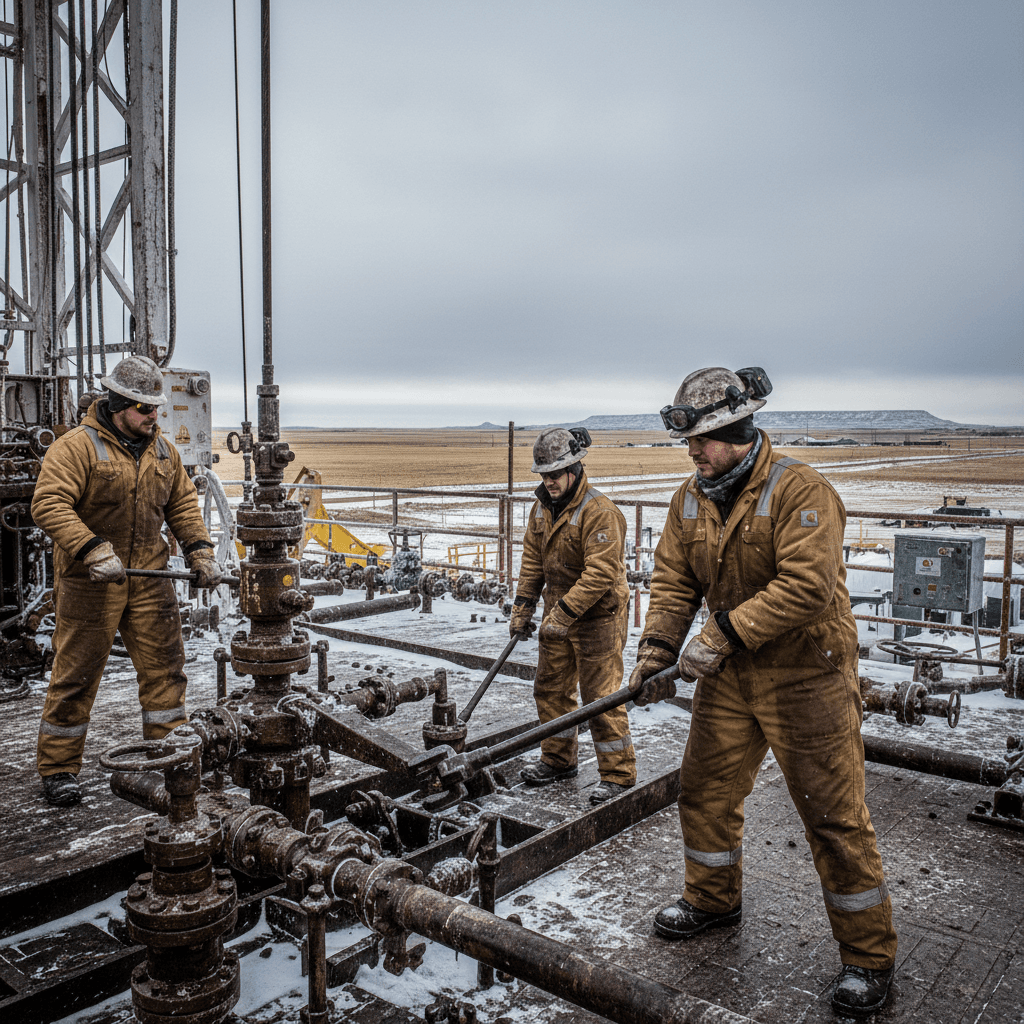
The active drilling rig count in North Dakota's Bakken formation held steady at 20 on Wednesday, according to live Bakken Wire data. This level of activity, supported by West Texas Intermediate crude trading at $92.25 per barrel, provides a baseline for regional employment and economic conditions in western North Dakota.
Historically, the rig count serves as a leading indicator for oilfield employment, with each active rig supporting a significant number of direct and indirect jobs. The current count of 20 rigs reflects a stabilized, deliberate pace of operations compared to the boom periods of the past. The sustained oil price environment, with WTI up 1.06% to $92.25 and Brent crude at $95.75, gives operators the confidence to maintain this level of capital expenditure and workforce.
For local communities, this equilibrium suggests a period of relative stability. During boom cycles, rapid influxes of workers strained housing, infrastructure, and public services. The current moderated activity level alleviates some of those acute pressures while still providing a substantial economic foundation. Key service sectors, including housing, retail, and hospitality, often experience less volatility when rig counts and commodity prices are predictable.
The natural gas price, recorded at $2.6, remains a secondary factor for most Bakken operators, who are primarily driven by crude oil economics. However, it influences margins for companies with significant gas capture and processing operations.
The relationship between oil prices, rig activity, and community impact is well-established in the Bakken. Strong prices support county tax revenues, royalty owner payments, and local business activity. The current rig count, while far below historical peaks, indicates a focused industry maintaining core operations. This environment supports a more experienced, settled workforce compared to the transient population seen during high-growth phases.
For the regional economy, the consistency in both price and activity metrics is crucial. It allows municipalities and businesses to plan with greater certainty, balancing the benefits of energy development with manageable community growth. The outlook for workforce retention and housing market stability is closely tied to the continuation of these current market conditions.
Source
Live Bakken Wire data for April 15, 2026