Bakken Rig Count Holds at 21 as Crude Rally Boosts Revenue
Sustained high oil prices may ease pressure on workforce and local economies despite low activity levels.
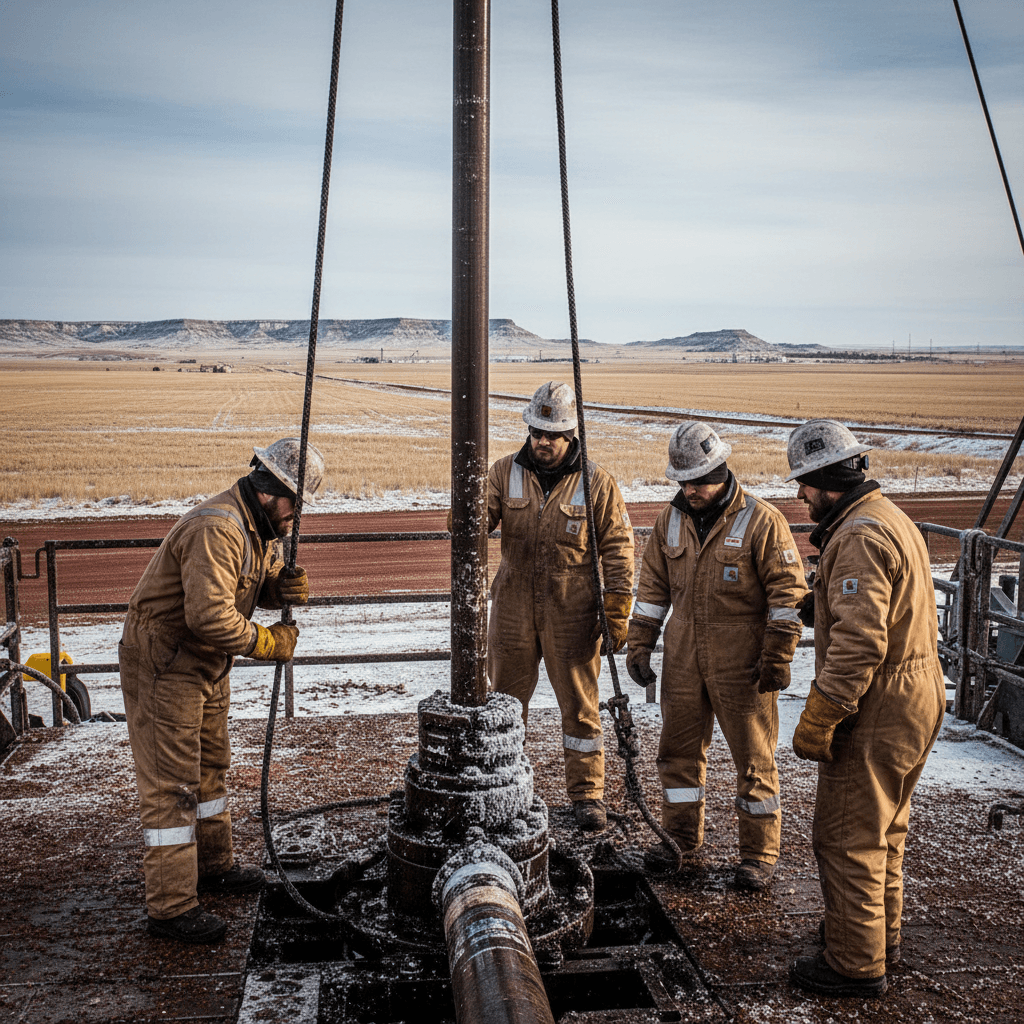
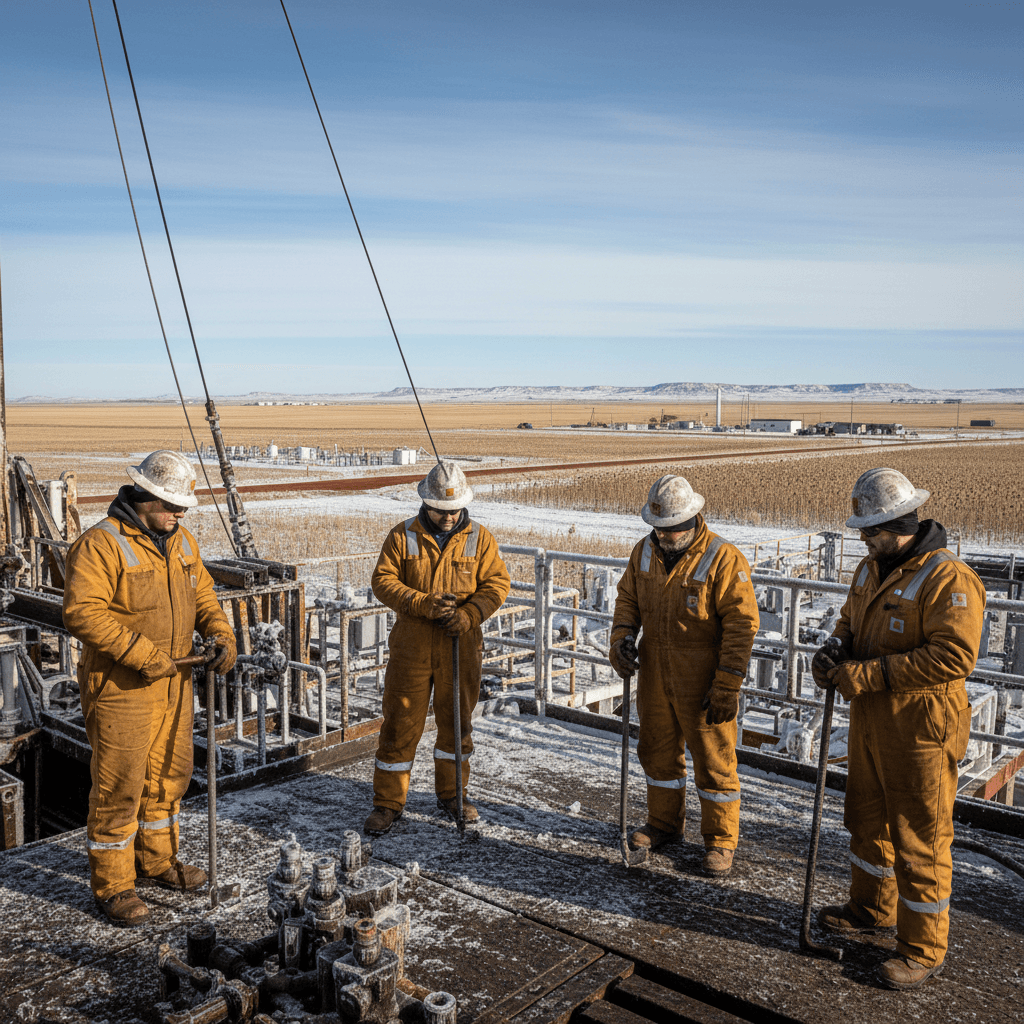
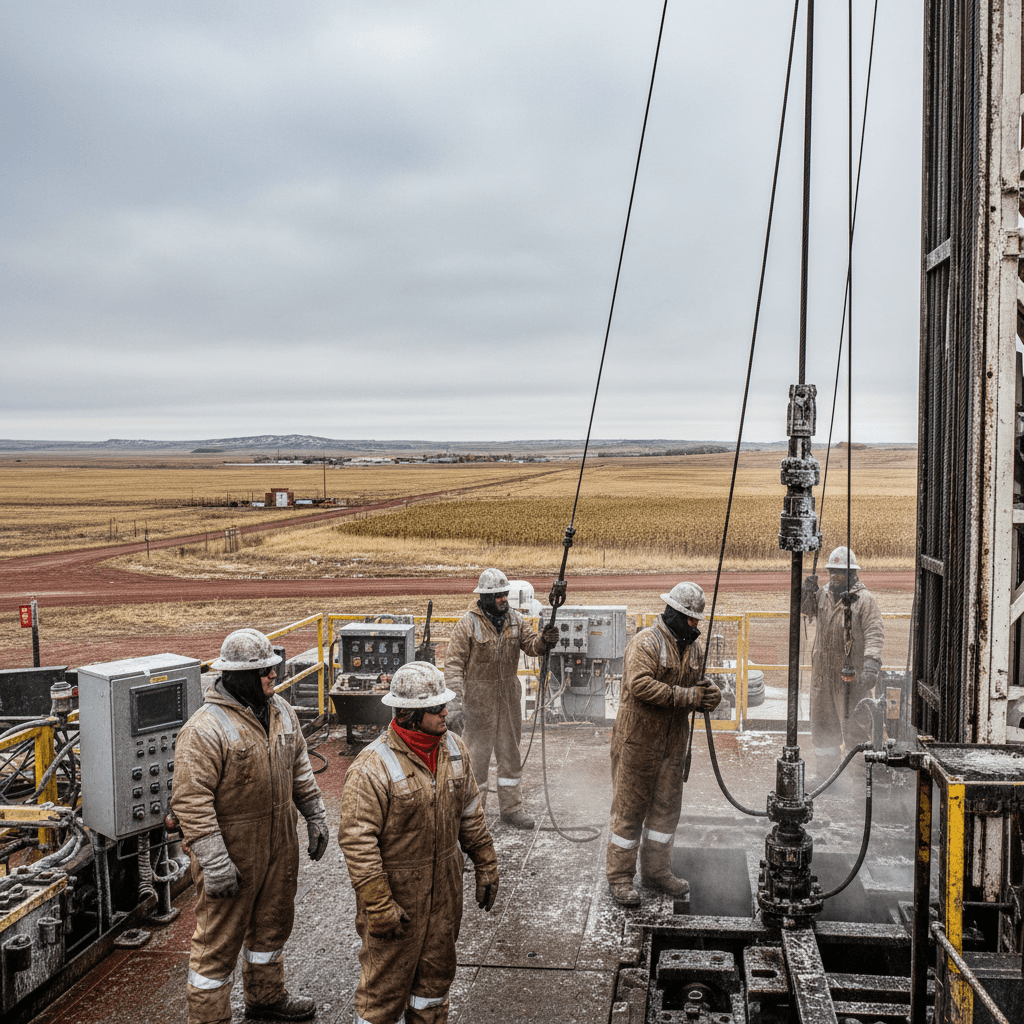
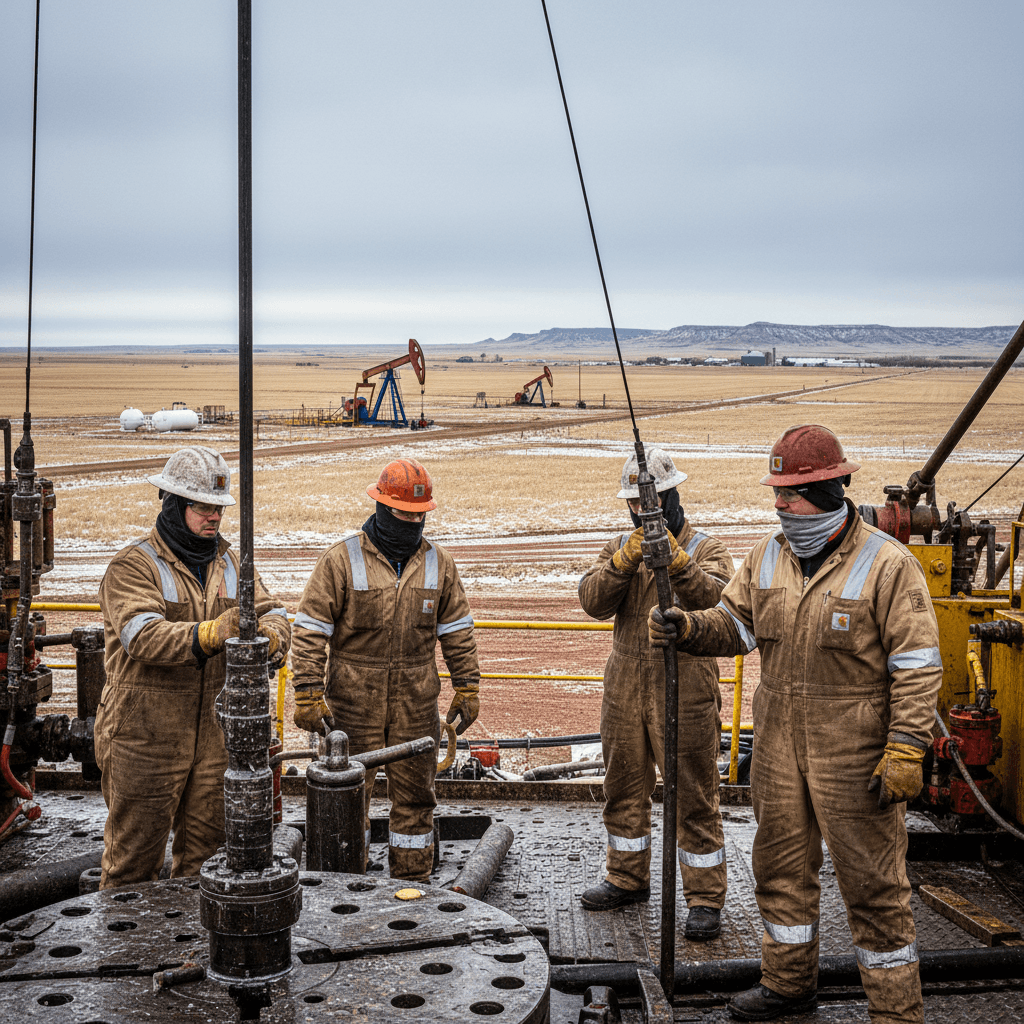
The number of active drilling rigs in North Dakota remained unchanged at 21 for the week, according to live Bakken Wire data. This count represents a sustained period of low activity that continues to define the operational landscape in the Bakken formation.
The stability in rig activity comes alongside a significant rally in oil markets. West Texas Intermediate crude surged $3.94 to settle at $86.53 per barrel on Monday, April 20, a gain of 4.77%. The global Brent benchmark also rose sharply, adding $4.33 to reach $94.71. The price for Bakken crude, priced at a discount of $3.42 to WTI, would be approximately $83.11 per barrel.
In the Bakken, the rig count is a primary leading indicator for direct oilfield employment, including drilling crews, roustabouts, and field service personnel. A count of 21 rigs suggests a stabilized but historically low level of drilling activity. This plateau, after a period of higher volatility, allows workforce levels to find a new equilibrium, reducing the boom-and-bust cycle that has previously challenged the region.
The sustained high oil prices, with WTI holding firmly above $85, provide crucial revenue stability for Bakken operators. This improved cash flow supports the maintenance of existing wells and can fund limited new drilling even with a modest rig fleet. For local communities, this translates to steadier tax revenues for counties and the state, which fund infrastructure and public services.
Housing markets and commercial sectors in western North Dakota cities like Williston, Watford City, and Dickinson are closely tied to oilfield employment. A stable, low rig count coupled with strong commodity prices creates a less volatile economic environment than during past booms. It alleviates extreme pressure on housing shortages while still supporting core service industries that cater to the oil and gas workforce.
The current differential of -$3.42 for Bakken crude versus WTI is relatively narrow, indicating strong market access and demand for the region's light sweet oil. This helps maximize the value of each barrel produced, further benefiting local operators and, by extension, royalty owners and state coffers.
The natural gas price, listed at $2.68 per MMBtu, remains a secondary economic driver in the Bakken, where oil is the primary target. However, associated gas production continues and contributes to overall well economics.
Source
Live Bakken Wire data for April 20, 2026.