Bakken Rig Count Holds at 22 as Oil Prices Rally Above $94
Sustained high crude prices support stable activity levels, providing a steady foundation for regional workforce and economies.
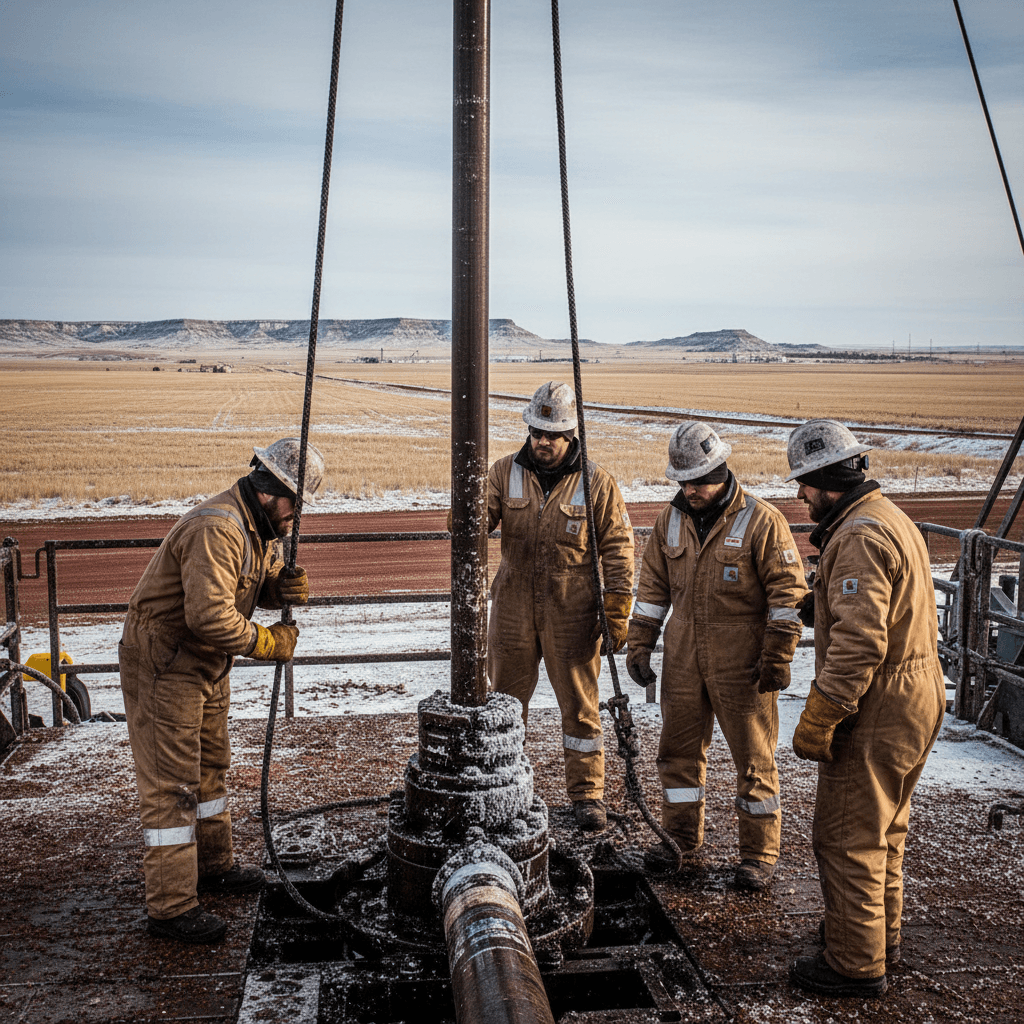
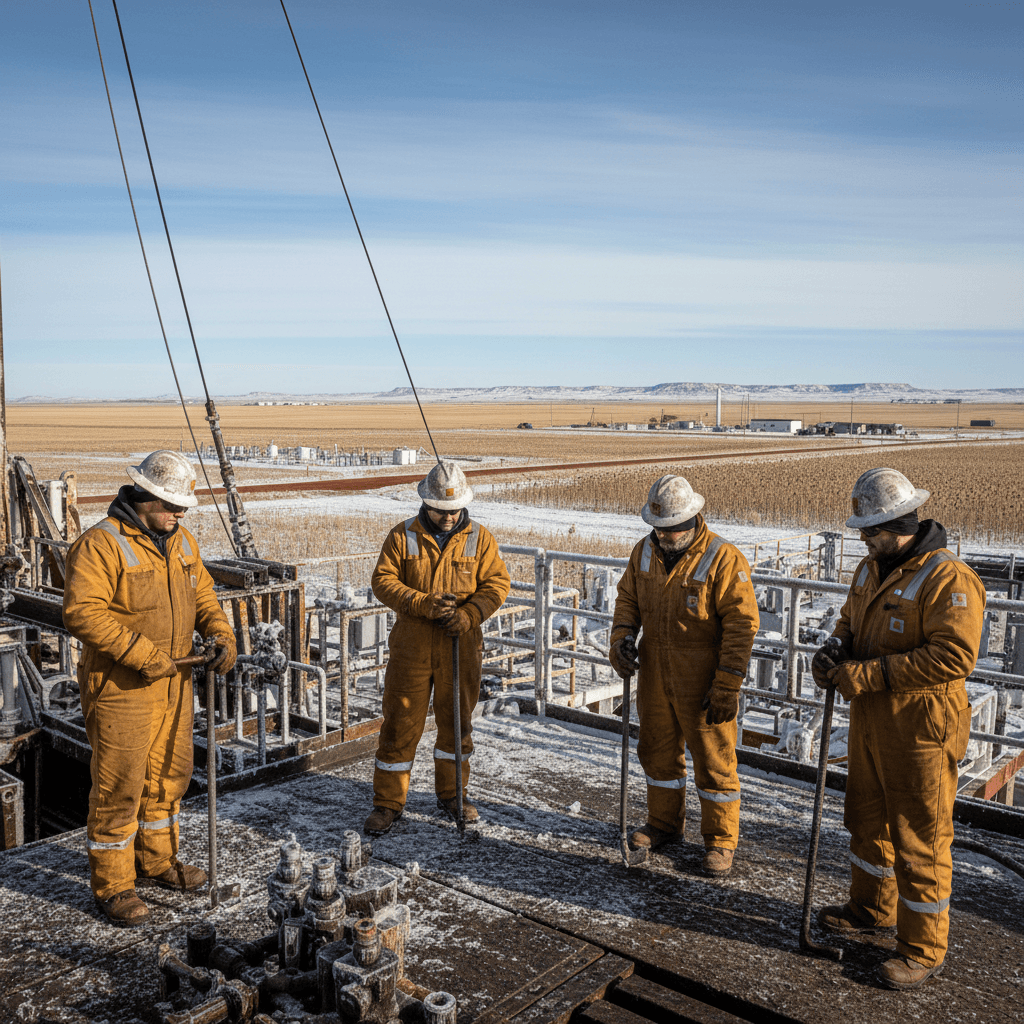
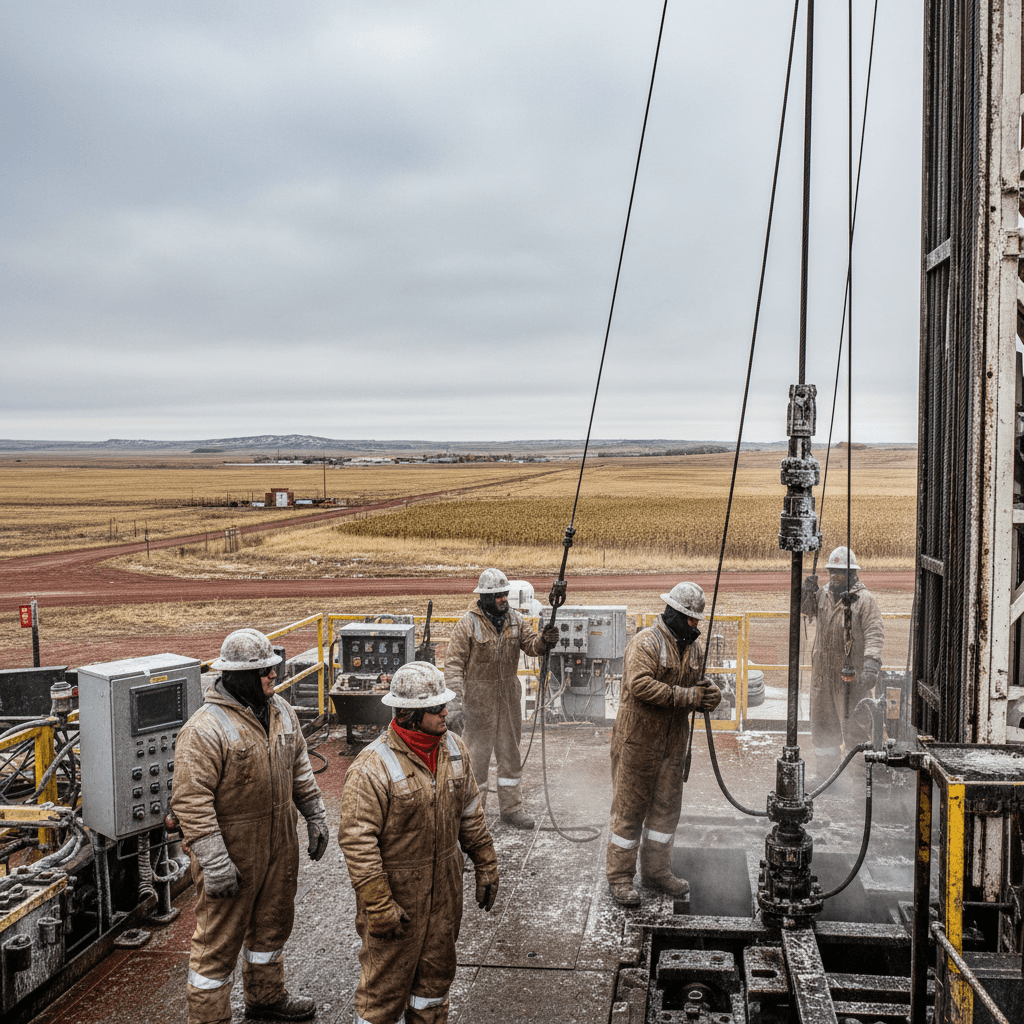
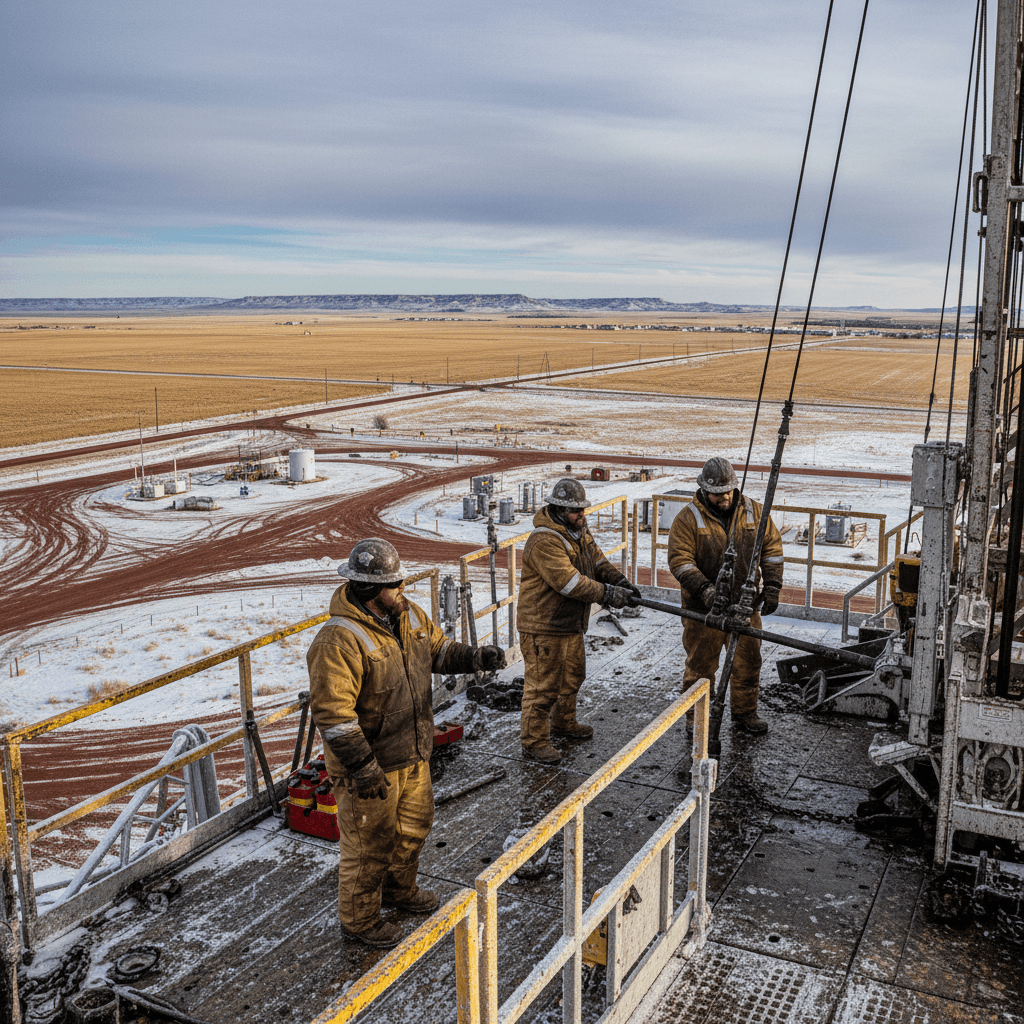
North Dakota's Bakken oil region continues to operate with a stable level of drilling activity, with the state's active rig count holding at 22 on Thursday, April 23, 2026. This operational tempo, coupled with a significant rally in oil prices, provides a consistent backdrop for local employment and community economies in western North Dakota.
The benchmark WTI crude price rose $1.69 to $94.65 per barrel, a gain of 1.82%, while Brent crude climbed to $103.81. The Bakken crude differential stood at -$3.42 against WTI. Historically, the number of active drilling rigs is a direct indicator of oilfield employment levels, encompassing jobs for drillers, service crews, transportation, and support staff. A steady rig count suggests a corresponding stability in the oilfield workforce.
The relationship between oil activity and community impact in the Bakken is well-established. When drilling activity is high and sustained, it drives demand for housing, supports local businesses from restaurants to equipment suppliers, and increases traffic for services in towns like Williston, Dickinson, and Minot. Conversely, sharp declines in rig counts can lead to rapid workforce contraction and economic pressure on municipalities.
The current price environment, with WTI firmly above $90, generally provides economic incentive for operators to maintain development programs. The stable rig count of 22 indicates a controlled, sustainable pace of operations rather than the boom-level activity seen in previous high-price cycles. This moderated growth can help communities manage infrastructure and housing demands without the extreme volatility of past cycles.
For local economies, sustained activity at this level helps maintain a baseline of oilfield-related commerce and supports municipal budgets through property and sales taxes linked to industry operations. Workforce stability at a moderate level also allows for longer-term planning in housing and community services, as opposed to the rapid influxes and declines that characterized the region's earlier development phases.
Source
Bakken Wire Live Data, April 23, 2026