Bakken Rig Count Holds at 22 Amid Sharp Oil Price Decline
Workforce stability faces pressure as WTI crude drops over 9%, trading below $83 per barrel.
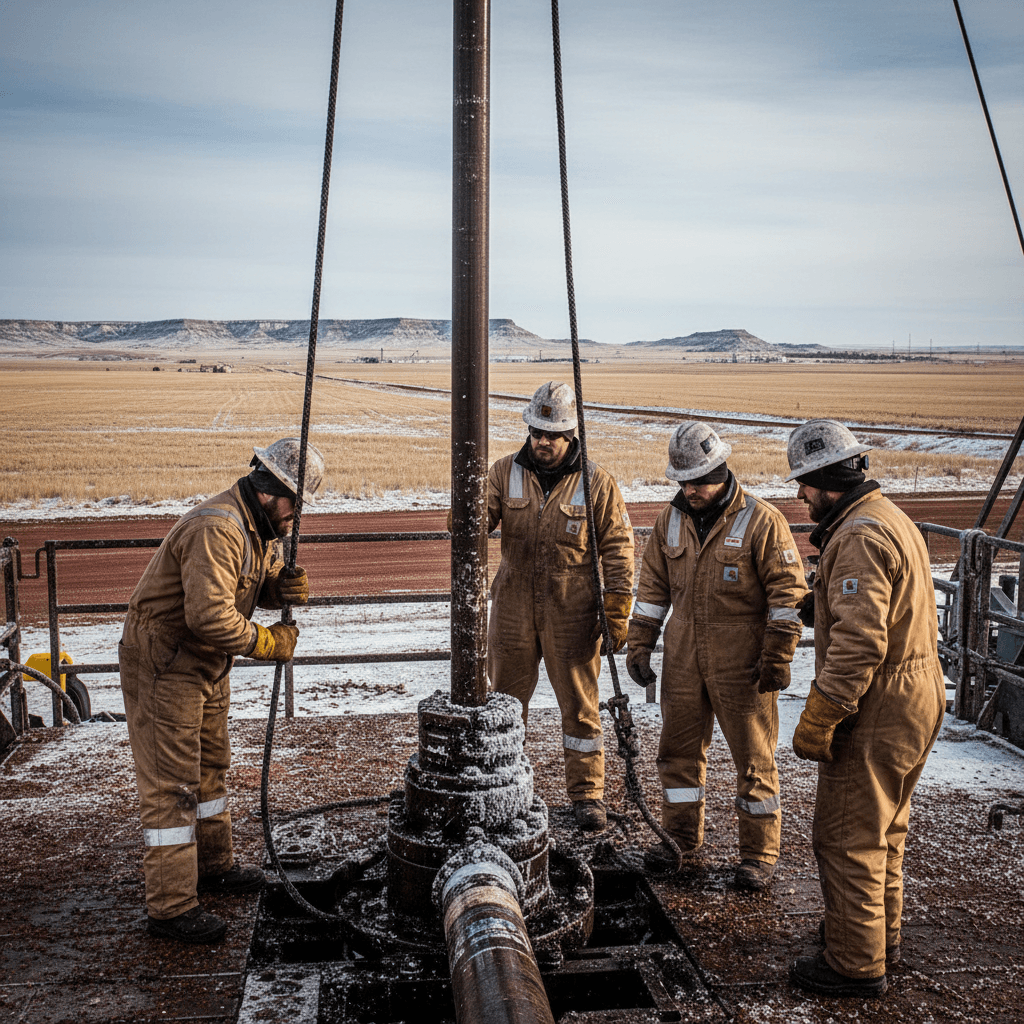
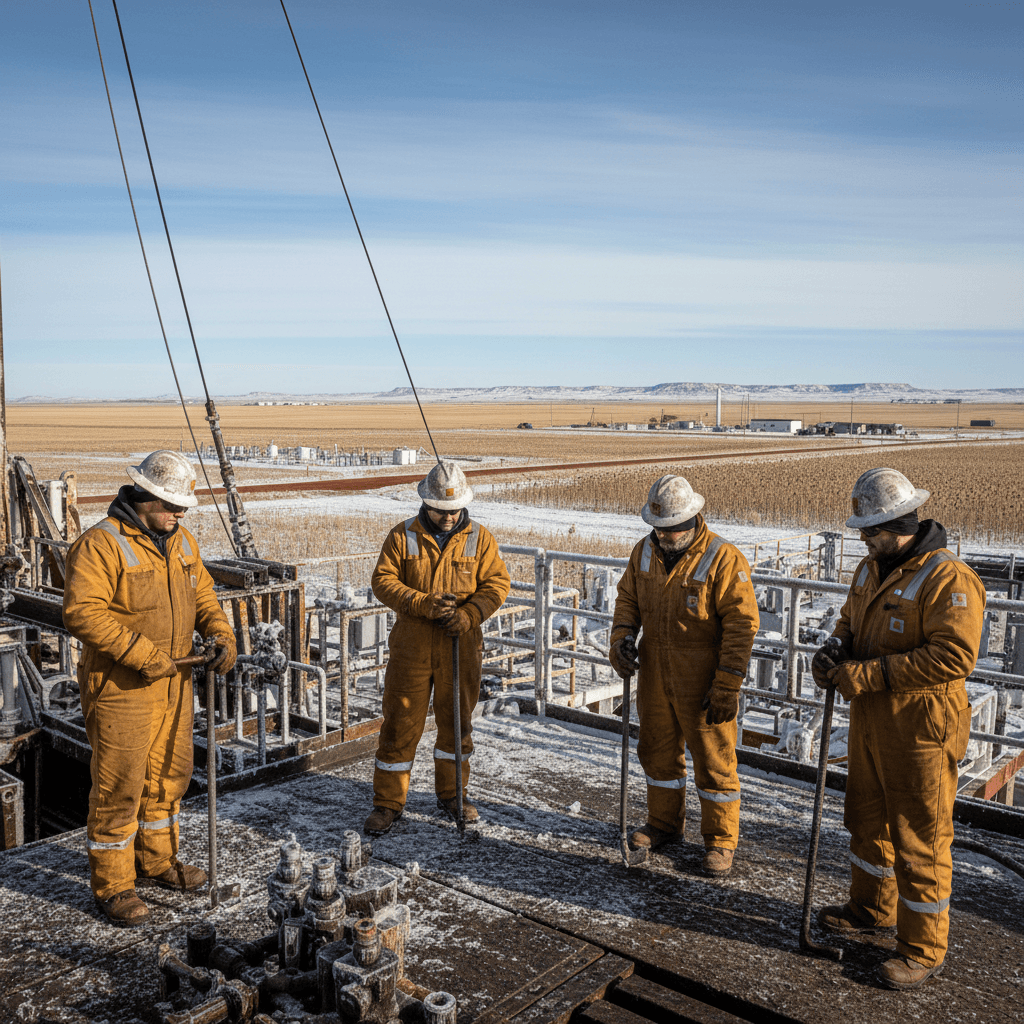
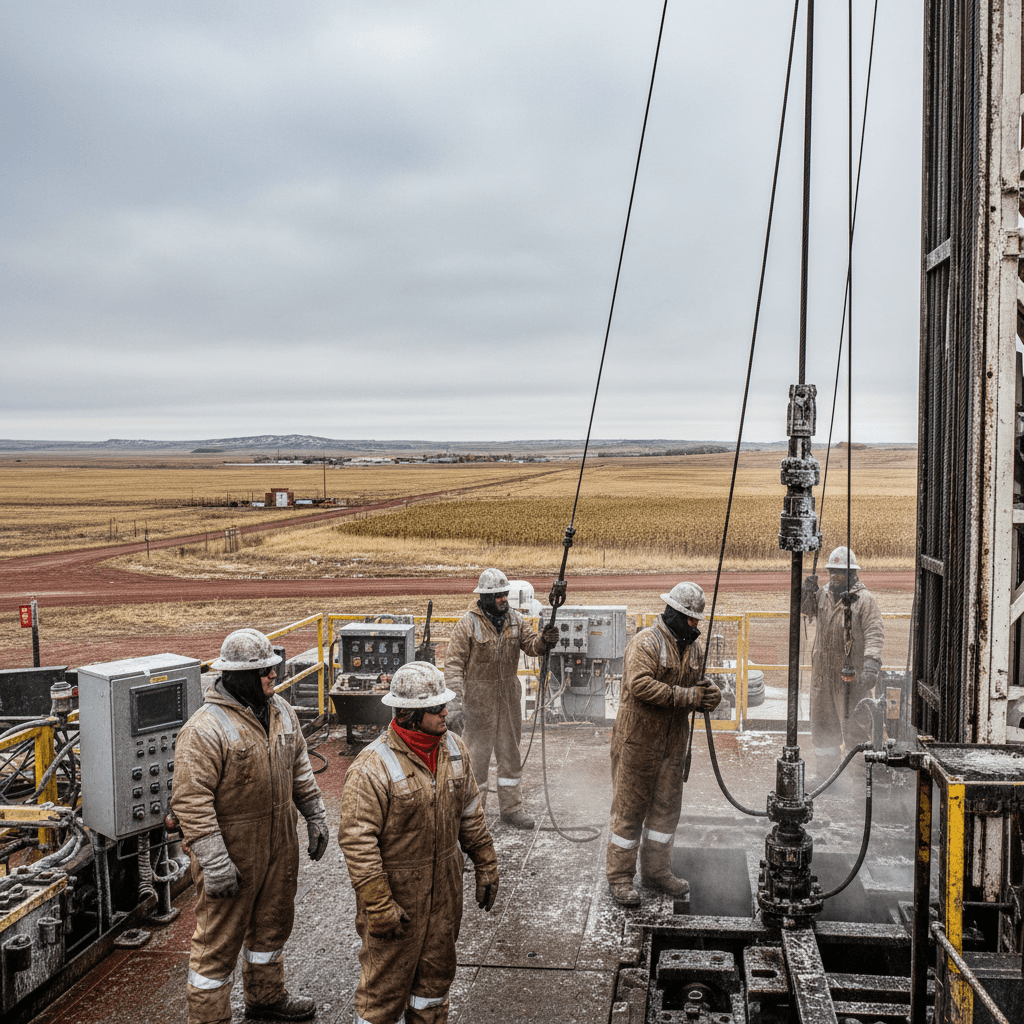
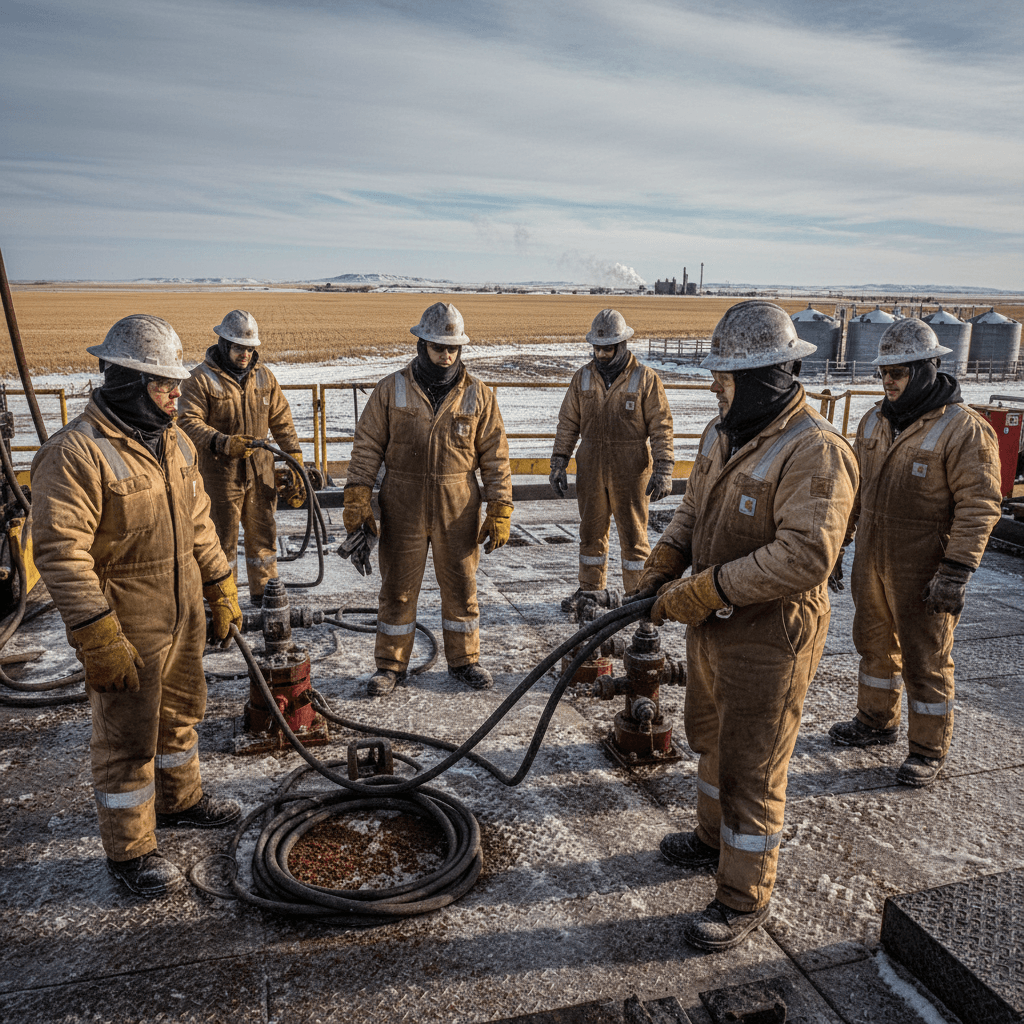
The active rig count in North Dakota's Bakken formation held steady at 22 on Saturday, even as a sharp sell-off in crude oil markets introduced new uncertainty for regional employment and community economies. West Texas Intermediate (WTI) crude was trading at $82.59 per barrel, down $8.58 or 9.41% for the day, according to live Bakken data. The international benchmark Brent crude fell a similar 9.07% to $90.38.
The current rig count reflects a stabilized, but historically moderate, level of drilling activity in the state's primary oil-producing region. General industry context shows a direct correlation between the number of active drilling rigs and employment levels for field personnel, including rig crews, truck drivers, and well service companies. A sustained low rig count typically leads to reduced hiring and can increase competition for existing jobs.
For local communities in western North Dakota, the rig count and oil price are leading indicators for housing demand and municipal revenue. Periods of high activity have historically strained housing availability and increased costs, while downturns can lead to vacancies and reduced consumer spending. The current price volatility, with WTI now more than $9 off the prior day's level, may cause operators to reassess near-term drilling budgets, which could impact the stability seen at 22 rigs.
The price for Bakken crude at the wellhead is further discounted by the regional differential. Saturday's data showed a Bakken differential of -$3.42 versus WTI, putting the local price at approximately $79.17 per barrel. This net price directly influences the cash flow available to producers for operations and new investments. Concurrently, natural gas prices remained low at $2.67 per MMBtu, offering little incentive for increased gas-directed activity.
The immediate workforce impact of the day's price plunge may be limited, as drilling programs are set weeks or months in advance. However, prolonged price weakness at these levels could lead to a reduction in the active rig fleet, which would subsequently affect employment and ripple through service and support industries in communities like Williston, Dickinson, and Minot. Local economies that have adapted to a "new normal" of lower, more efficient production will be watching for any sustained shift in operator sentiment following the market downturn.
Source
Live Bakken Data for April 18, 2026