Bakken Rig Count Holds at 22 Amid Steep Oil Price Decline
Workforce stability faces pressure as WTI crude drops over 9% to $82.59, threatening future activity levels.
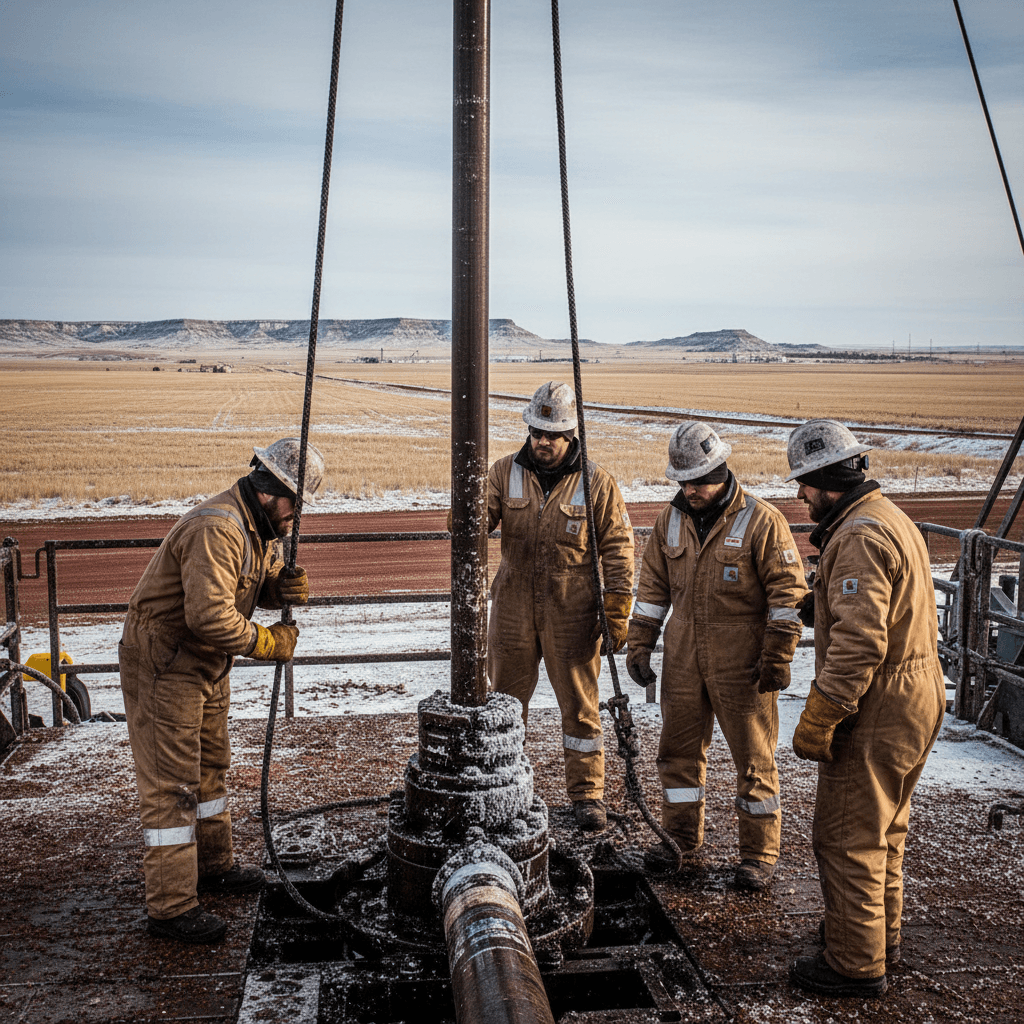
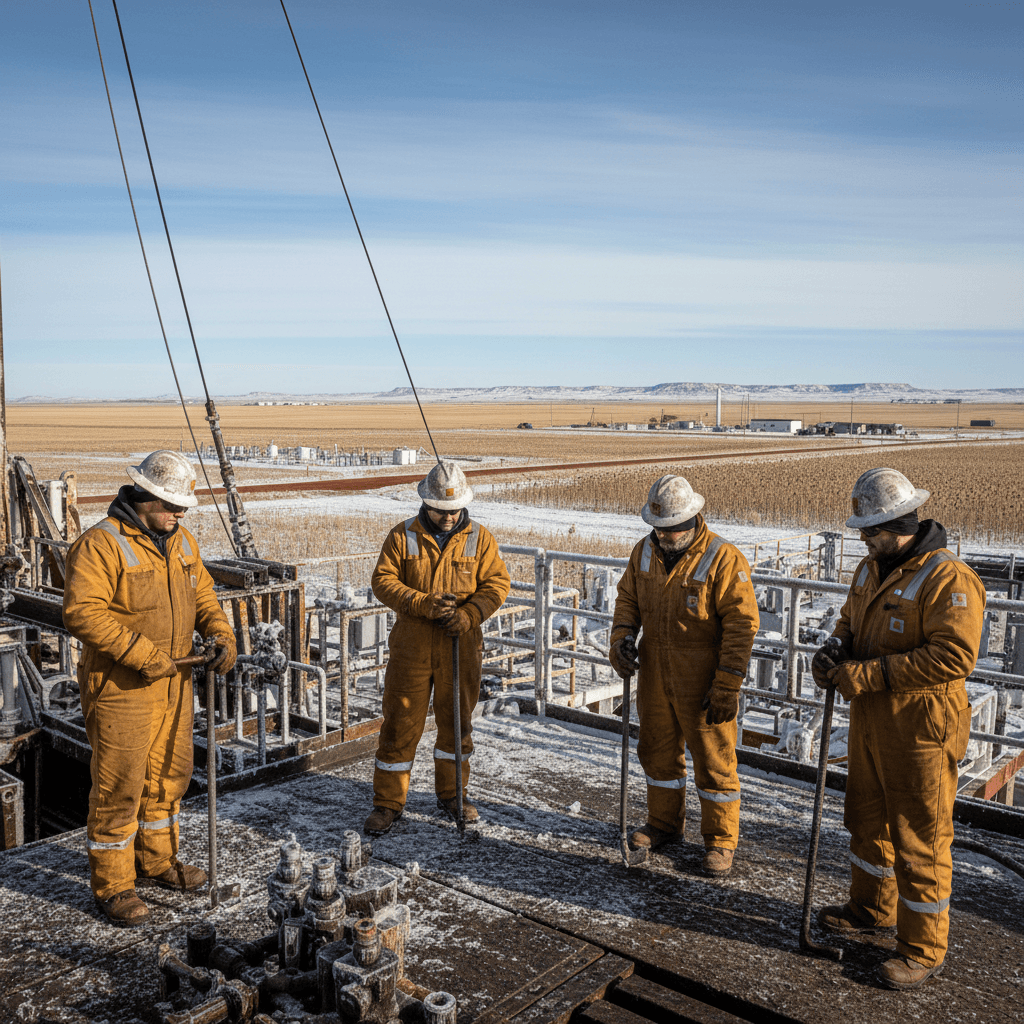
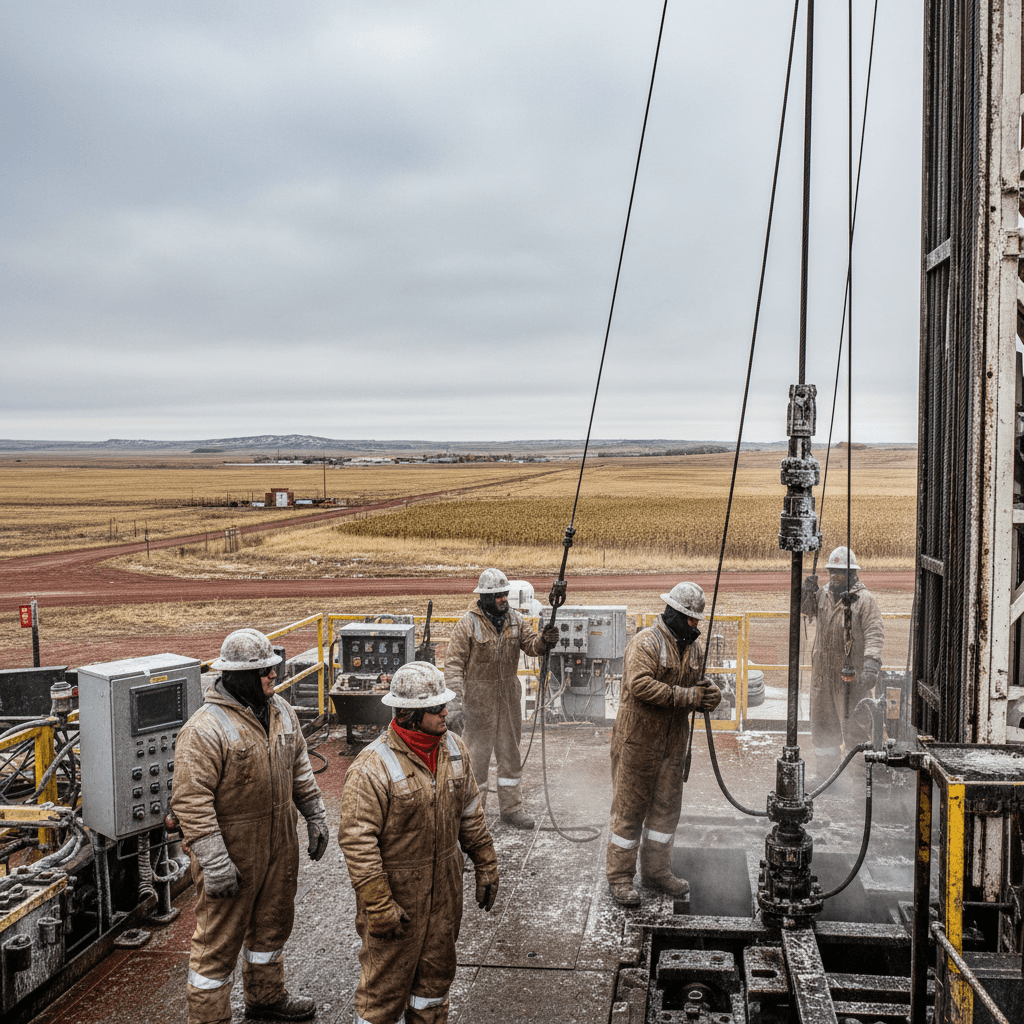
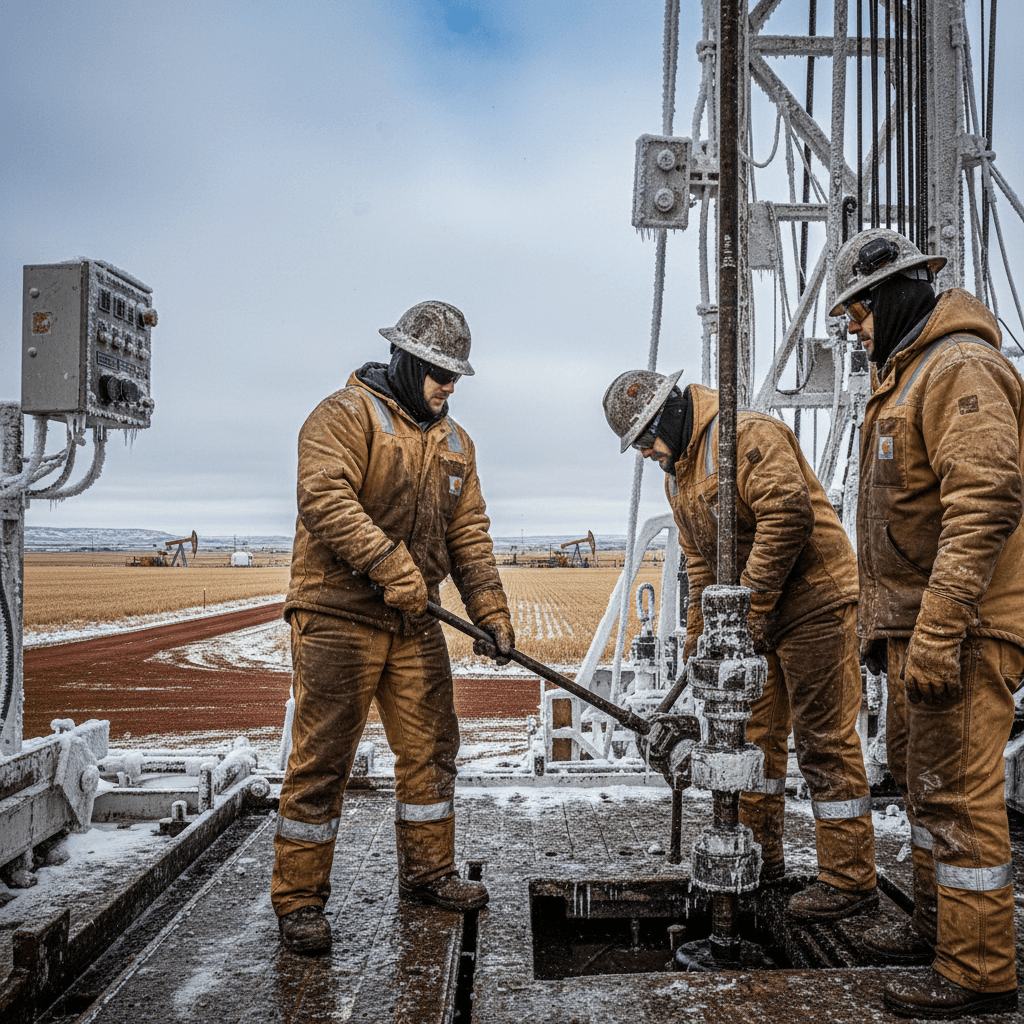
The active drilling rig count in North Dakota held steady at 22 on Sunday, a level signaling continued but subdued operational activity in the Bakken formation. The stability in rigs offers near-term certainty for the current oilfield workforce, but a sharp one-day decline in oil prices is casting a shadow over future hiring and community economic health.
West Texas Intermediate crude fell $8.58, or 9.41%, to settle at $82.59 per barrel, according to midday data. The international benchmark Brent crude saw a similar drop, falling 9.07% to $90.38. The price for Bakken crude at the wellhead is effectively lower, trading at a discount of $3.42 per barrel versus WTI. Natural gas prices were reported at $2.67 per MMBtu.
In the Bakken region, the direct rig count is a primary indicator of oilfield employment, influencing demand for drillers, completions crews, and related service company jobs. A count in the low 20s, while stable, represents a fraction of the peak activity seen in previous boom cycles. This level of activity typically supports a core workforce but limits the large-scale hiring that boosts population and strains housing in communities like Williston, Watford City, and Dickinson.
General industry context shows that sustained lower oil prices can lead operators to defer new drilling plans, which impacts the service sector first. A slowdown in permitting and new well construction would eventually affect the steady demand for workers needed to maintain existing production. Local economies, which have adapted to a more moderate pace since the last boom, remain sensitive to these shifts in commodity prices.
Housing markets and municipal revenues in western North Dakota are closely tied to oilfield activity. A stable rig count supports current occupancy and sales, but a prolonged price downturn threatening future drilling could soften demand. Conversely, a rapid price recovery and subsequent increase in rigs could re-introduce pressures on housing and local infrastructure.
For now, the held rig count suggests operators are maintaining current development programs. However, the steep single-day price decline will be a critical factor in upcoming capital expenditure reviews. The health of Bakken communities continues to hinge on the balance between manageable activity that supports local business and the volatility of global oil markets.
Source
Bakken Wire Live Data as of April 19, 2026