Bakken Rig Count Holds at 22 as Oil Prices Plunge Over 10%
Workforce stability faces test with WTI crude dropping sharply to $81.46, pressuring operator budgets and regional economic activity.
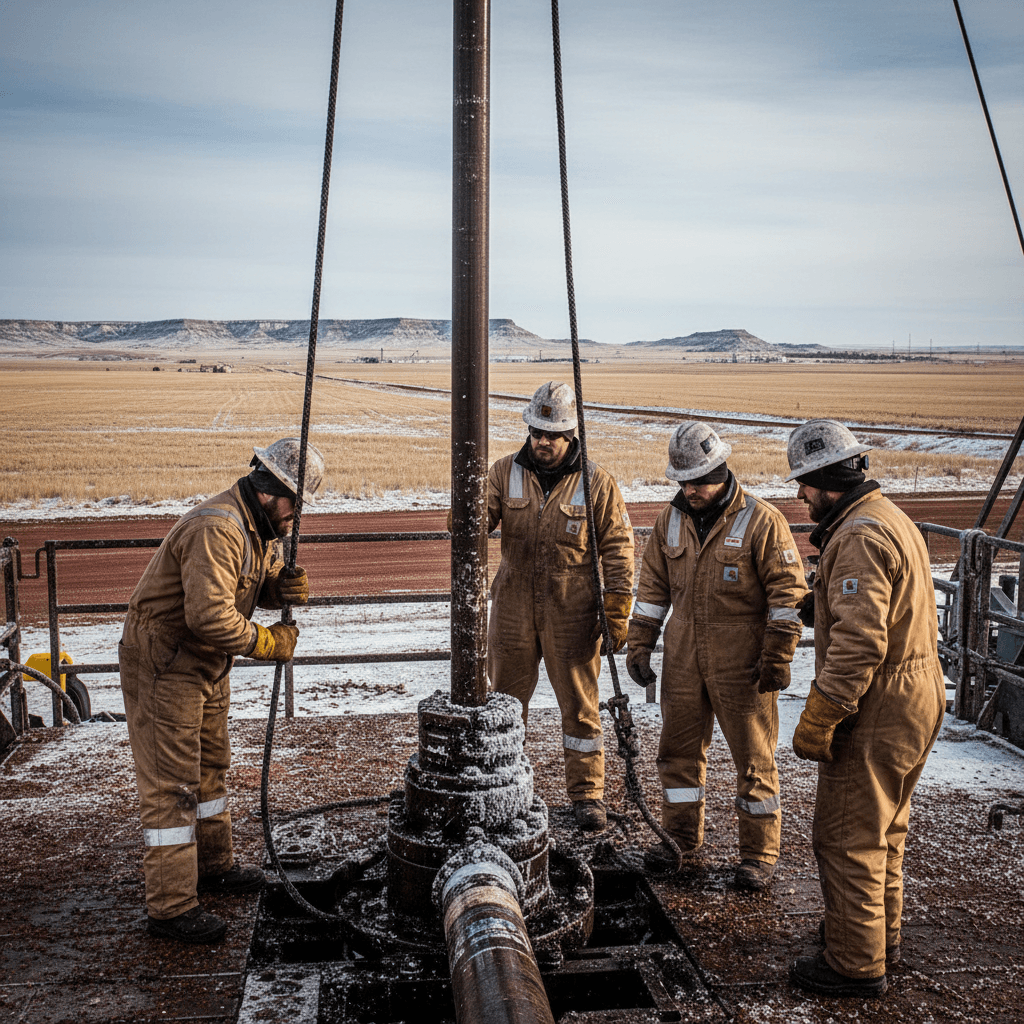
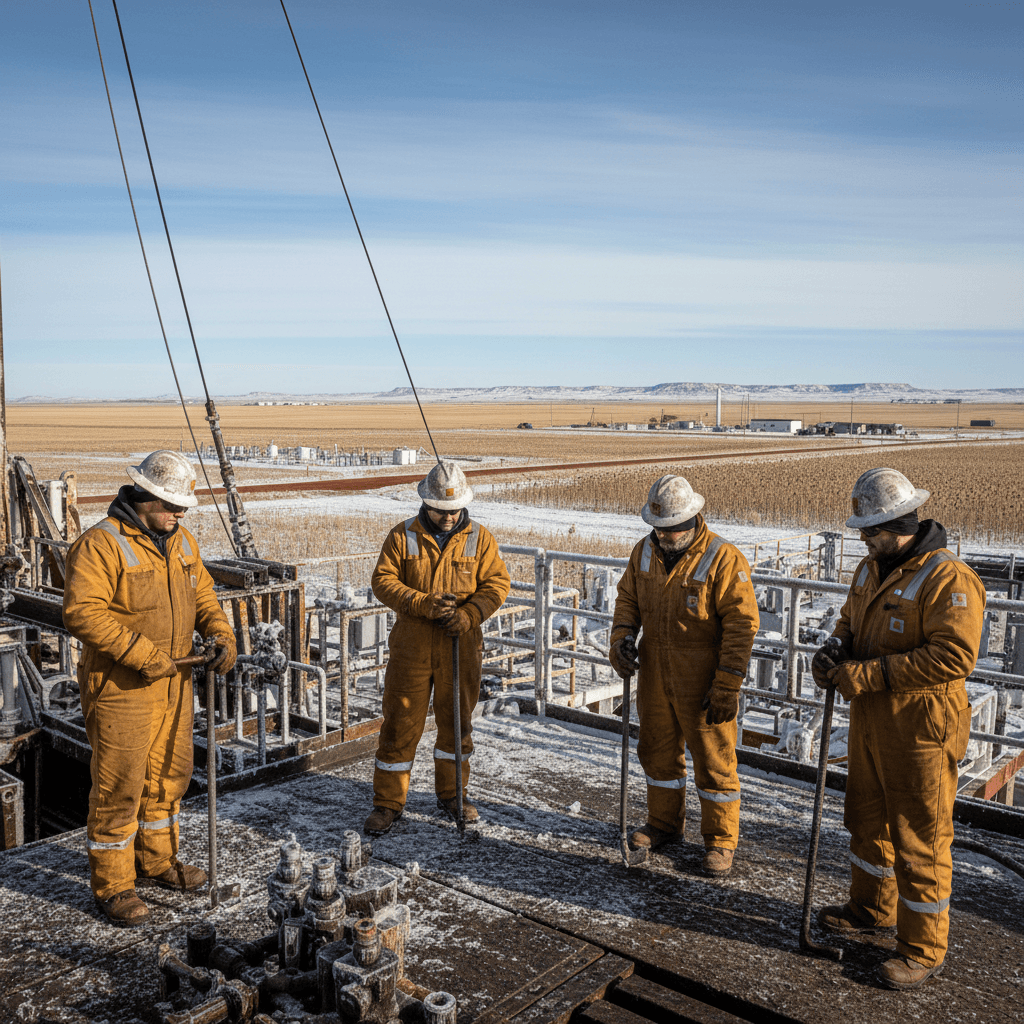
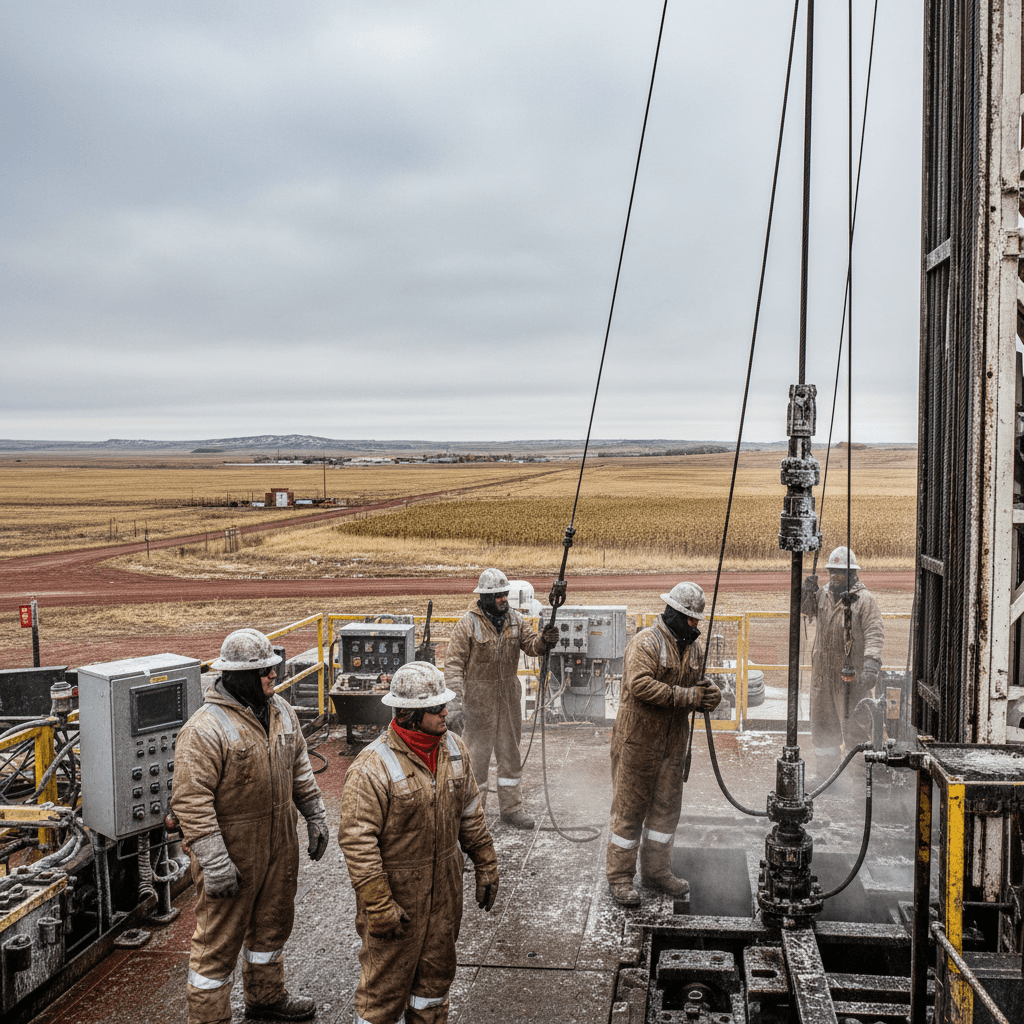
The number of active drilling rigs in North Dakota remained unchanged at 22 on Friday, according to Bakken Wire live data, providing a measure of stability for the region's oilfield workforce amid a dramatic sell-off in crude prices. West Texas Intermediate (WTI) crude plummeted 10.65% to $81.46 per barrel, while the global Brent benchmark fell 10.3% to $89.15.
The current rig count, a key indicator of drilling activity and direct employment for drilling crews, service companies, and logistics, is a fraction of the peak levels seen during previous boom cycles. Historically, rig counts in the Bakken formation, North Dakota's primary oil-producing region, have been highly correlated with oil prices. Sustained price weakness typically leads operators to curtail capital spending and slow development plans, which flows through to reduced hiring and contract work.
For Bakken communities, the rig count and oil price environment are fundamental drivers of economic health. Service companies, hotels, restaurants, and retail sectors are directly impacted by the pace of field activity. Housing demand, which saw extreme volatility during past booms and busts, is now more closely tied to this steady, lower level of industrial activity.
The Bakken crude differential, the discount at which Bakken oil trades versus WTI, was recorded at -$3.42 on Friday. This differential affects the actual revenue received by producers in the region, with a wider negative discount putting additional pressure on wellhead economics beyond the headline drop in WTI.
Natural gas prices, often a secondary revenue stream for Bakken producers where gas capture infrastructure exists, were listed at $2.69 per MMBtu. Low natural gas prices provide little offset to the steep decline in oil revenues.
The sharp single-day price drop introduces uncertainty for the workforce. If low prices persist, the stability implied by the steady rig count could be threatened. The industry has maintained a focus on efficiency and capital discipline in recent years, which may provide some buffer, but prolonged price pressure would inevitably impact activity levels and the associated employment that supports western North Dakota communities.
Source
Bakken Wire live data for April 17, 2026