Bakken Rig Count Holds at 23 Amid Surging Global Oil Prices
High crude prices provide economic support for communities, but stable, low activity levels suggest a mature, consolidated workforce landscape in North Dakota.
The active drilling rig count in North Dakota held steady at 23 on Monday, as global crude oil prices surged, providing a strong revenue backdrop for operators in the Bakken formation. West Texas Intermediate (WTI) crude traded at $105.37 per barrel, up $3.43, while the international Brent benchmark rose $5.73 to $113.90, according to live Bakken Wire data.
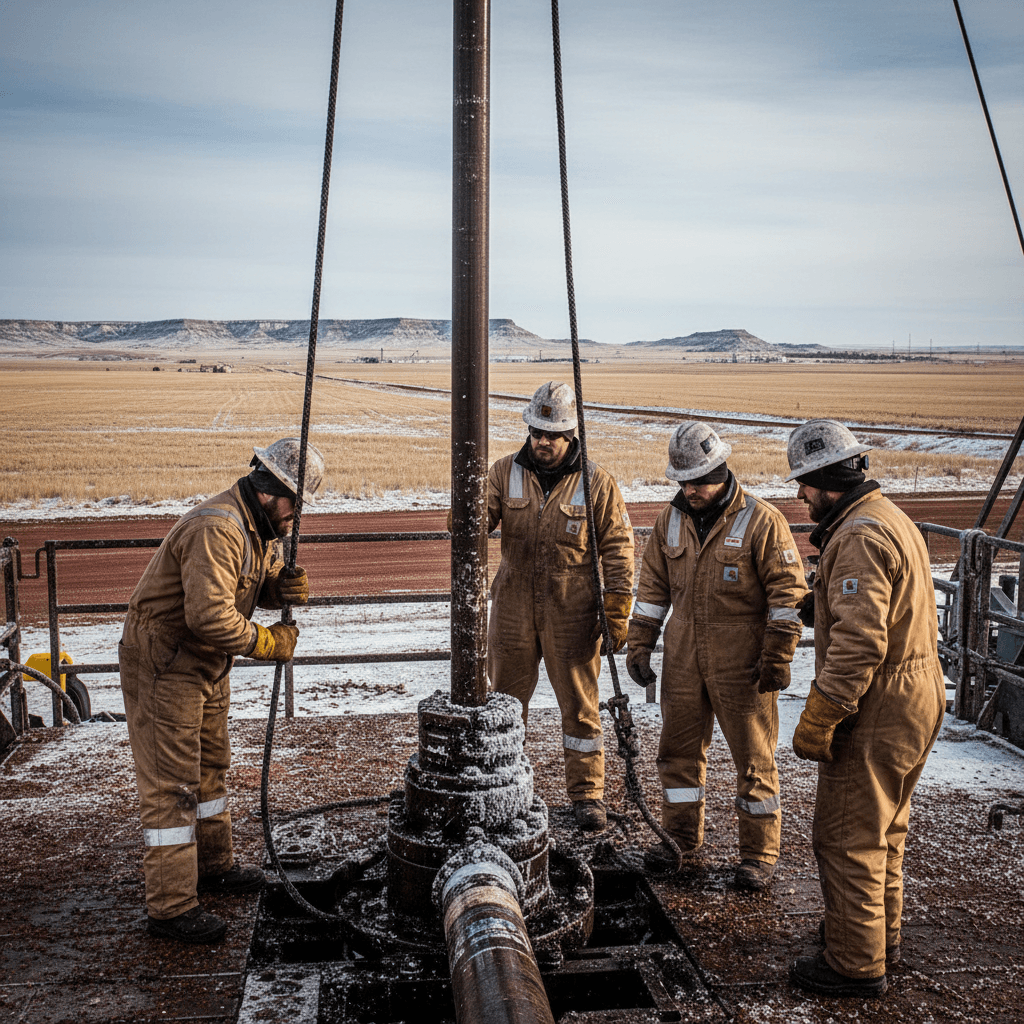
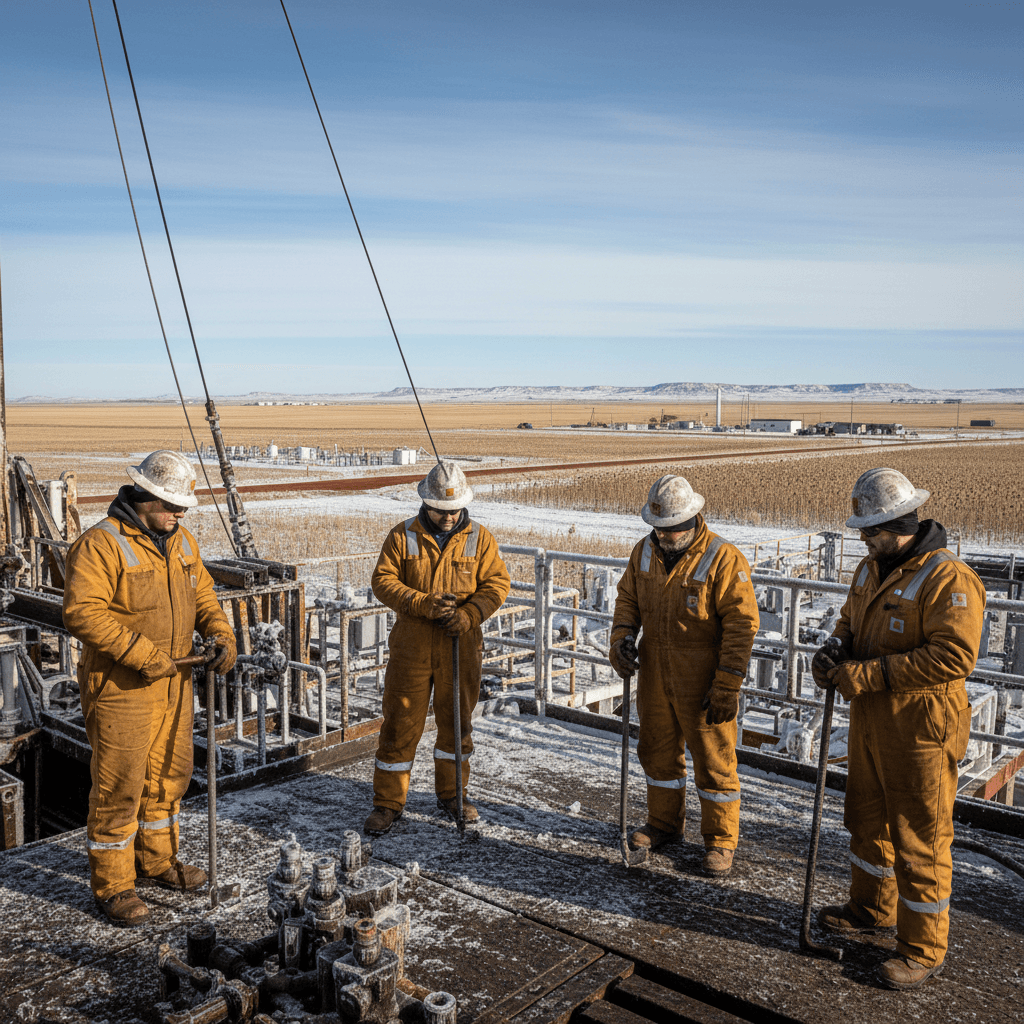
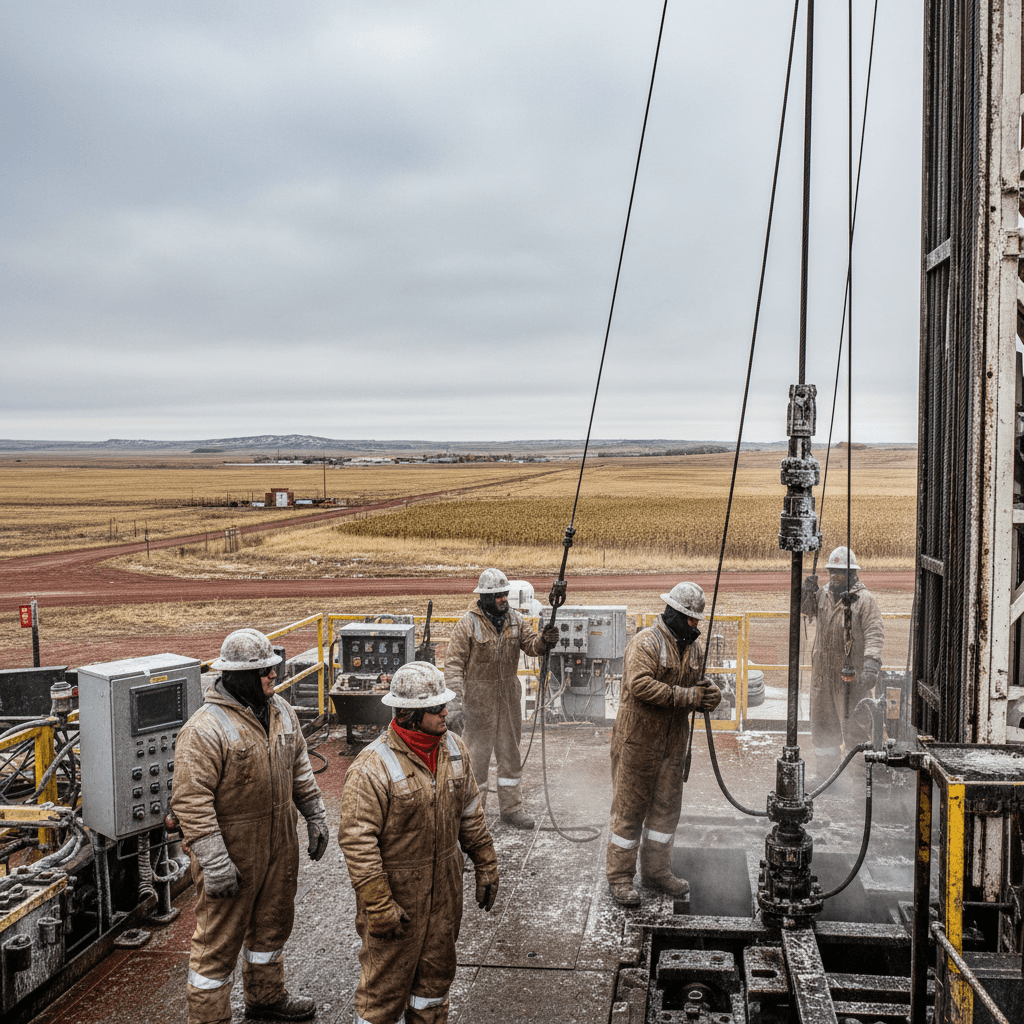
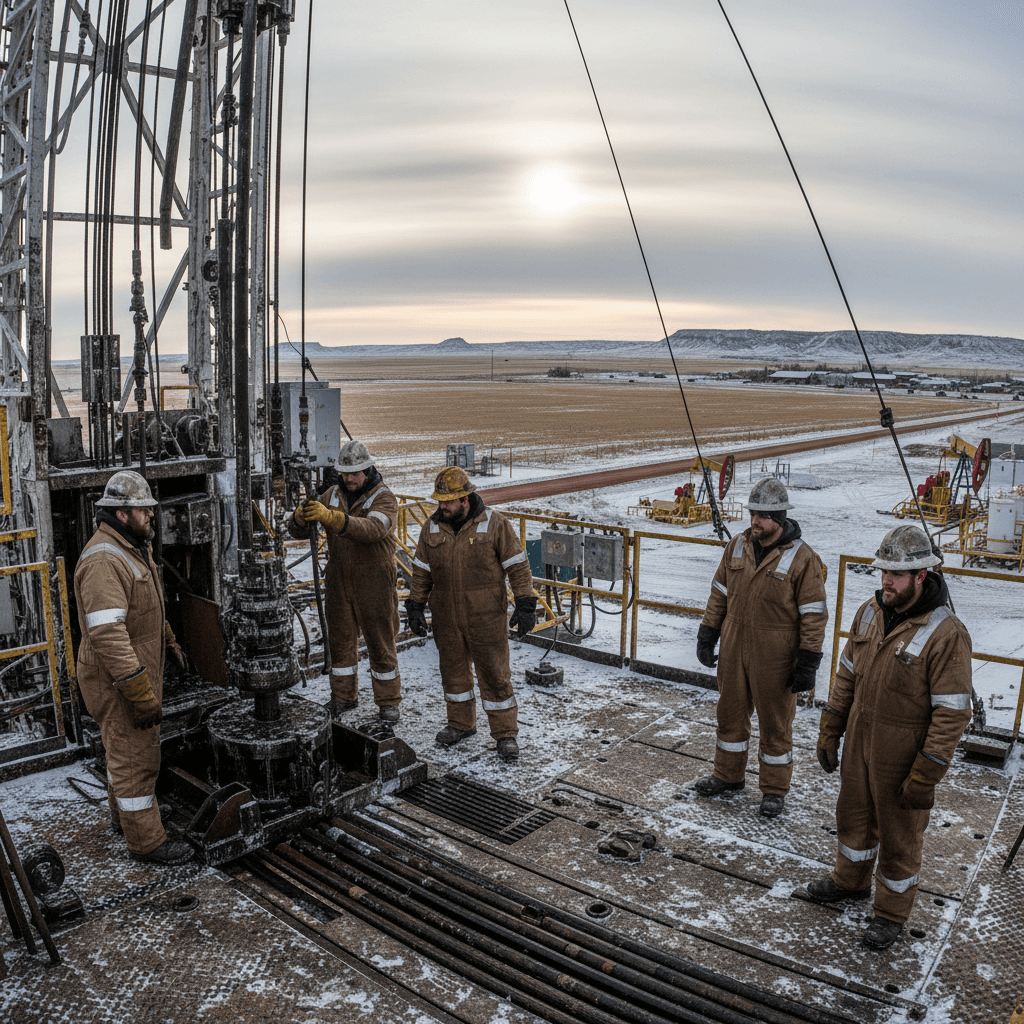
The current rig level, which has remained in a narrow range for months, reflects a new equilibrium for the nation's third-largest oil-producing state. This stability in drilling activity suggests a consolidated and highly efficient workforce, a shift from the boom-time volatility that once characterized the region. With fewer rigs running, direct employment in drilling and well servicing operations remains below historical peaks, but is likely steady.
The high price environment, with Bakken crude priced at a $3.42 per barrel discount to WTI, continues to generate significant cash flow for producers. This financial health supports a stable base of employment in production, maintenance, and midstream sectors, which are less cyclical than drilling. For local communities in western North Dakota, sustained operator profitability helps maintain local tax revenues and commercial activity without the intense strain on housing and infrastructure seen during previous high-rig-count periods.
The relationship between rig count, oil prices, and community impact is well-established in the Bakken. During boom cycles, a high rig count drives rapid population growth, leading to housing shortages, crowded schools, and pressure on public services. A bust cycle, often triggered by low prices, leads to outmigration and economic contraction. The current scenario—high prices with a low, stable rig count—represents a more manageable phase for city and county planners.
This environment likely supports a housing market that has adjusted to lower demand compared to the 2010s boom, potentially easing affordability concerns for long-term residents. Local economies in hubs like Williston, Watford City, and Dickinson are less dependent on the transient drilling workforce and more on the permanent employees required to manage thousands of producing wells.
For the regional workforce, the consolidation means jobs increasingly require specialized skills in automation, data analytics, and equipment maintenance, as operators focus on maximizing output from existing assets rather than rapid expansion through drilling.
Source
Bakken Wire Live Data as of May 4, 2026