Bakken Rig Count Holds at 23 Amid Triple-Digit Oil Price Rally
Sustained high oil prices above $99 support a stable, modest activity level, influencing regional workforce and housing dynamics.
The North Dakota oil industry is operating with a foundation of high commodity prices as the active rig count held steady at 23 on Tuesday, April 28, 2026. According to live Bakken data, West Texas Intermediate (WTI) crude surged to $99.83 per barrel, a gain of $3.46, while the Bakken crude differential narrowed to a discount of $3.42 below the WTI benchmark.
The current rig count, a key indicator of drilling activity and future production, reflects a stabilized operational tempo in the Williston Basin. This level of activity, sustained by oil prices flirting with $100 per barrel, directly influences employment, housing demand, and economic conditions in the region's oil-producing communities.
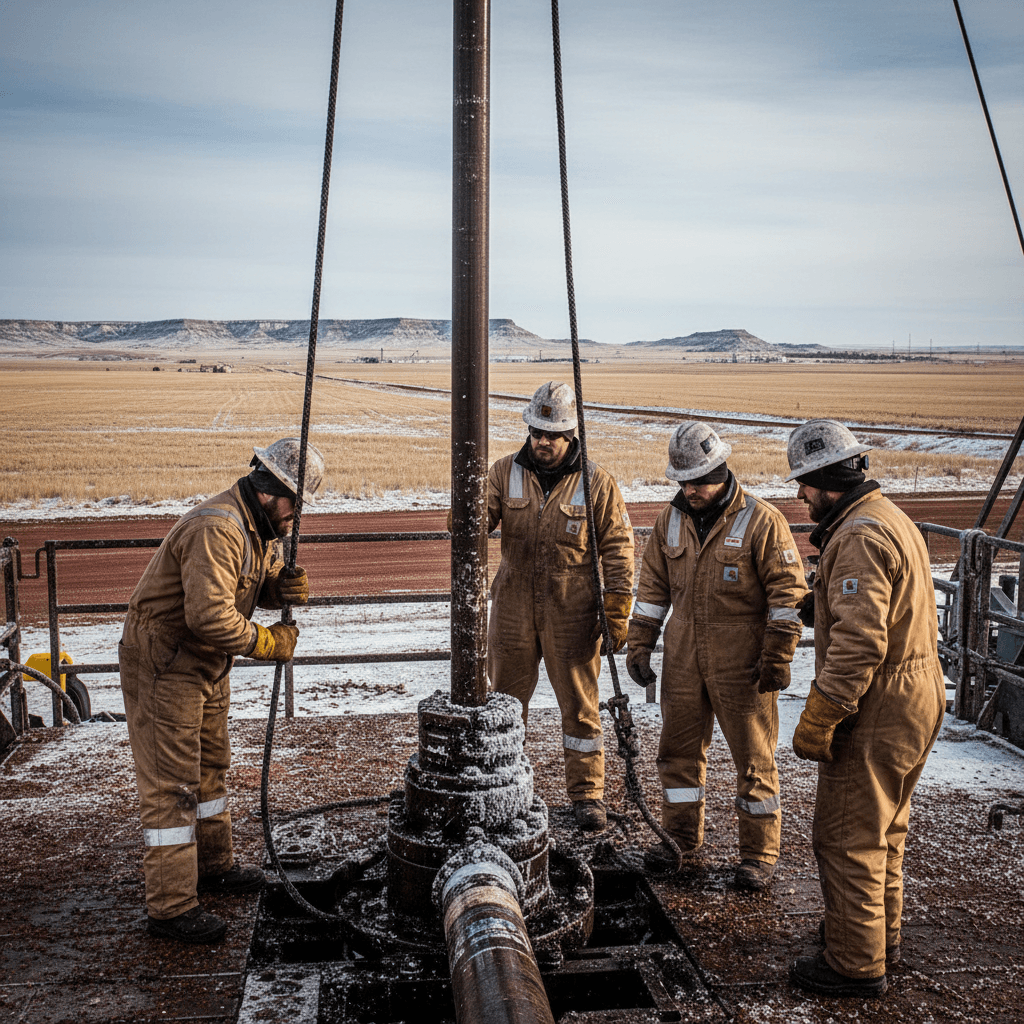
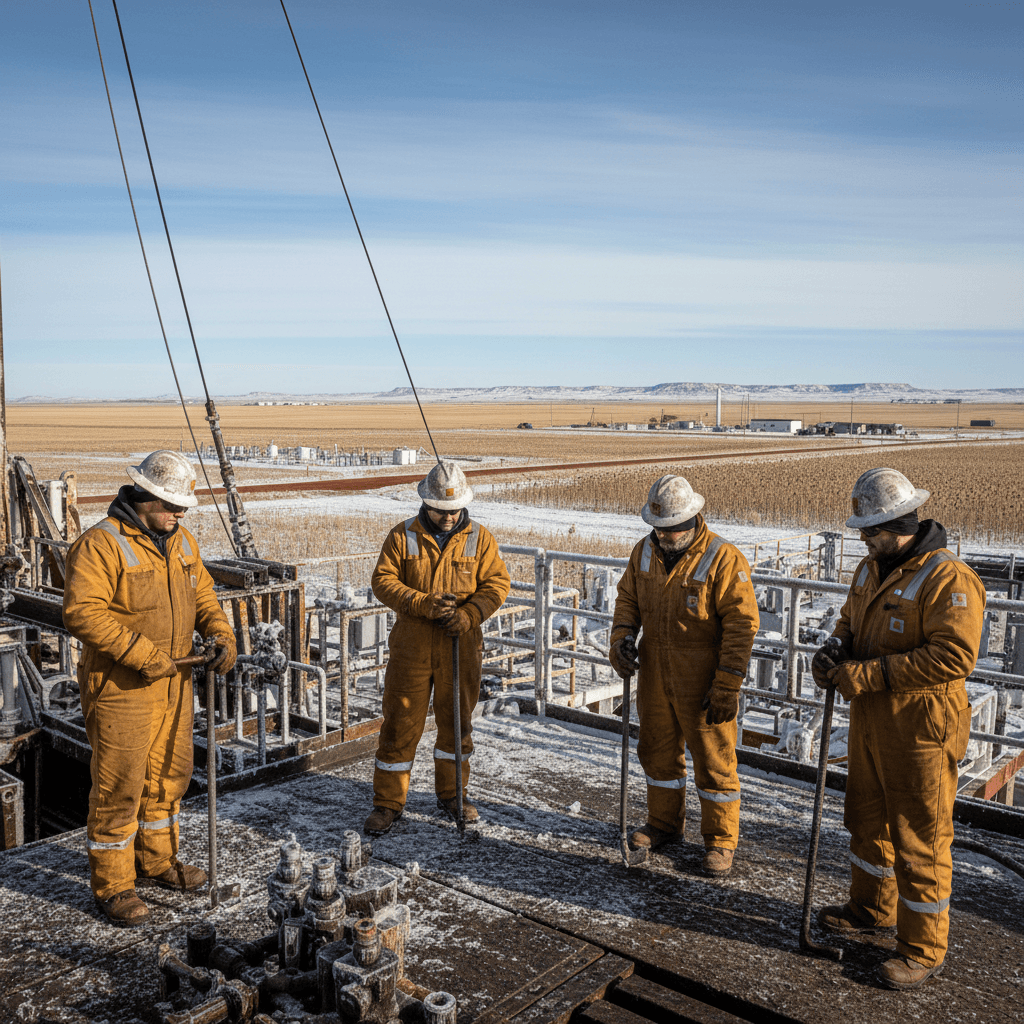
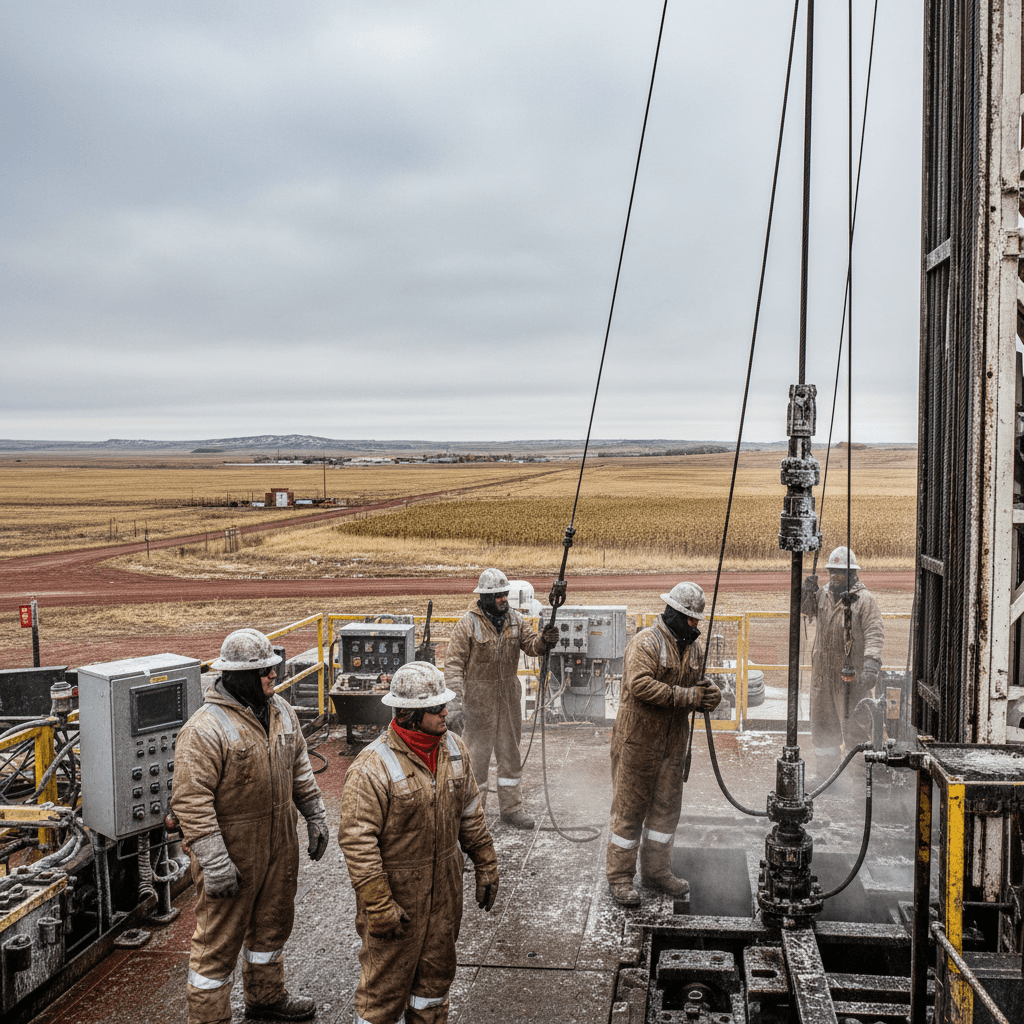
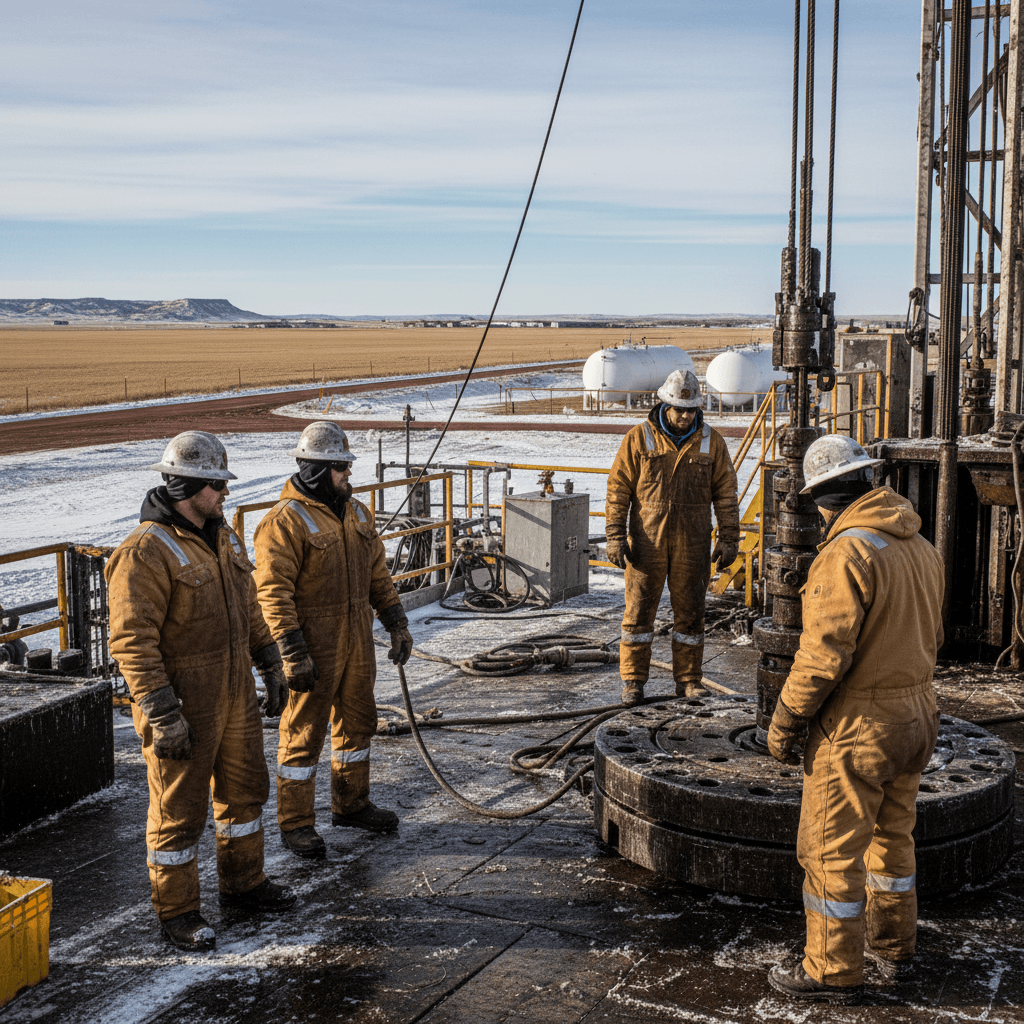
Historically, rig counts and oil prices are primary drivers for the Bakken workforce. A higher count signals increased demand for drilling crews, field technicians, and related service company jobs, while a lower count can lead to consolidation and outmigration. The current count of 23 rigs suggests a focused, efficient industry that supports a core workforce without the rapid expansion or contraction seen in previous boom-bust cycles.
The stability at this activity level has downstream effects on local economies and housing markets in western North Dakota. Steady employment supports consumer spending at local businesses and provides a predictable tax base for municipalities and counties. In housing, a consistent rig count avoids the extreme shortages and price volatility of past booms but maintains demand for rentals and home purchases from a settled workforce.
The strong oil price environment, with Brent crude also above $104, provides operators with the cash flow to maintain current drilling programs and complete drilled but uncompleted wells (DUCs). This financial stability helps protect existing jobs and can lead to cautious, targeted hiring for specific projects rather than large-scale recruitment drives.
For community services and infrastructure, a predictable pace of industry activity allows for better long-term planning by local governments. School districts, healthcare providers, and housing developers can make decisions based on a more stable population projection compared to periods of rapid fluctuation.
The Bakken differential, a critical factor for local producer revenue, improved to a discount of just over $3 per barrel. A narrower discount means Bakken barrels are fetching prices much closer to the national benchmark, increasing the netback for operators and strengthening the economic benefits retained within the state.
Source
Live Bakken Data for April 28, 2026