Bakken Rig Count Holds at 23 as High Oil Prices Support Steady Activity
Workforce and communities in western North Dakota experience stability with oil prices above $95, a contrast to past boom-bust cycles.
The number of active drilling rigs in North Dakota held steady at 23 on Friday, May 8, 2026, a key indicator of ongoing but measured operational activity in the Bakken formation. The stability in the rig count comes as global oil prices trade at elevated levels, providing a supportive backdrop for regional employment and economic conditions.
West Texas Intermediate (WTI) crude was priced at $95.89 per barrel, up $1.08 or 1.14% on the day, according to midday data. The international benchmark Brent crude traded at $101.73. The price for Bakken crude at the wellhead is typically discounted against WTI, with the differential currently at -$3.42. Natural gas prices were reported at $2.80 per MMBtu.
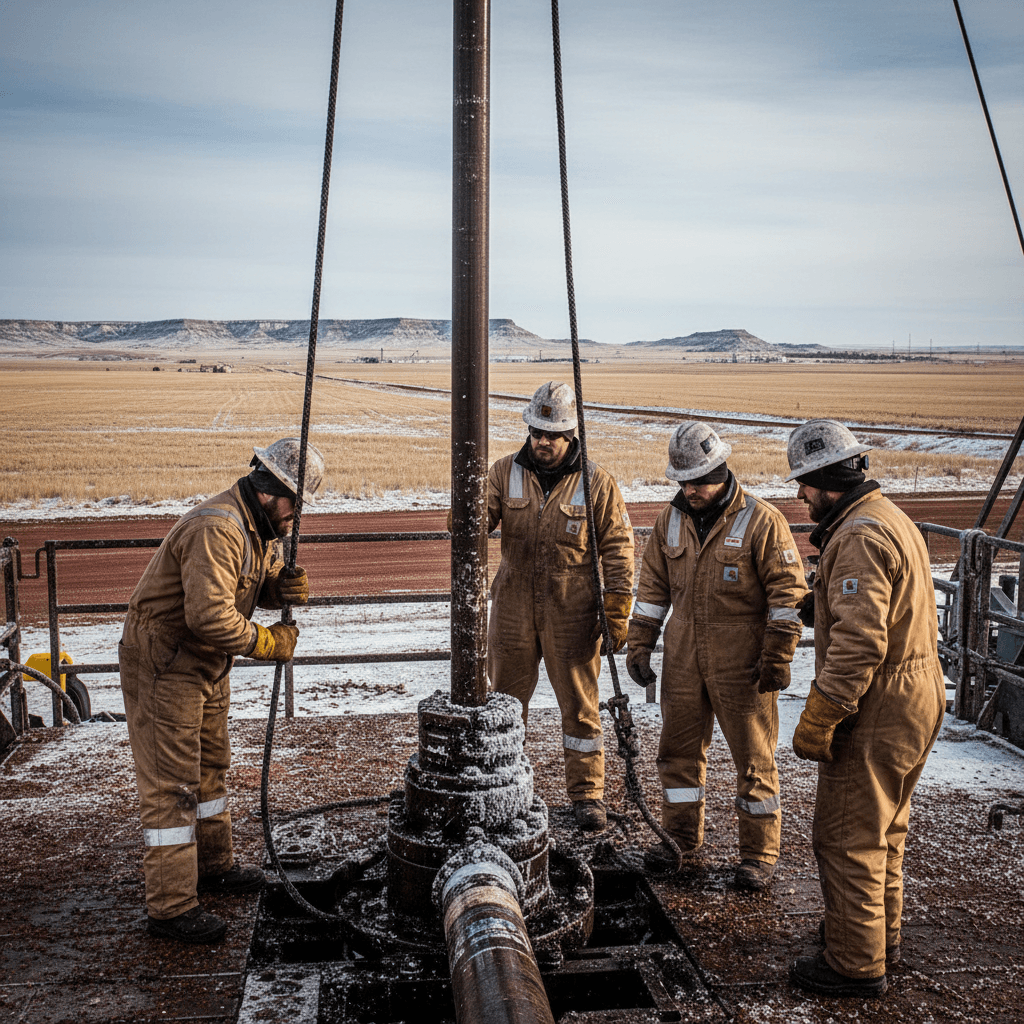
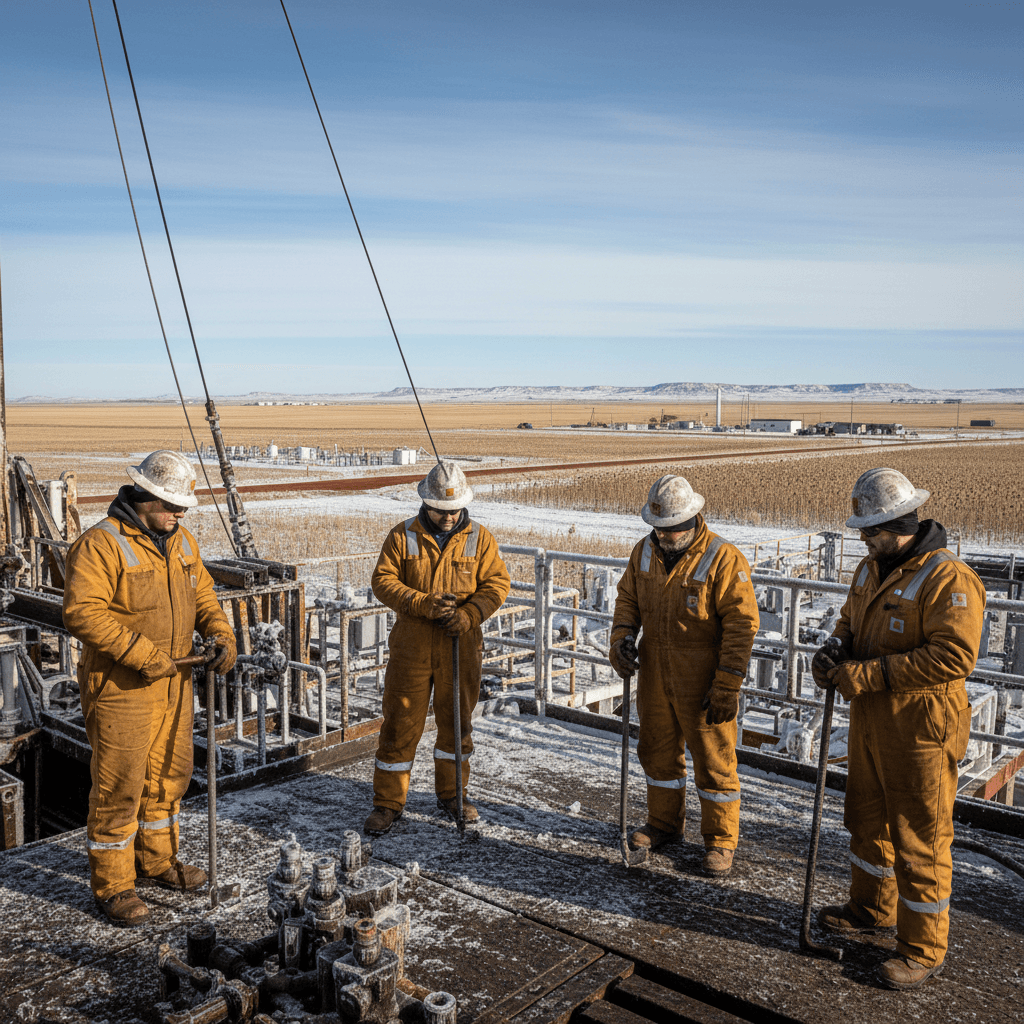
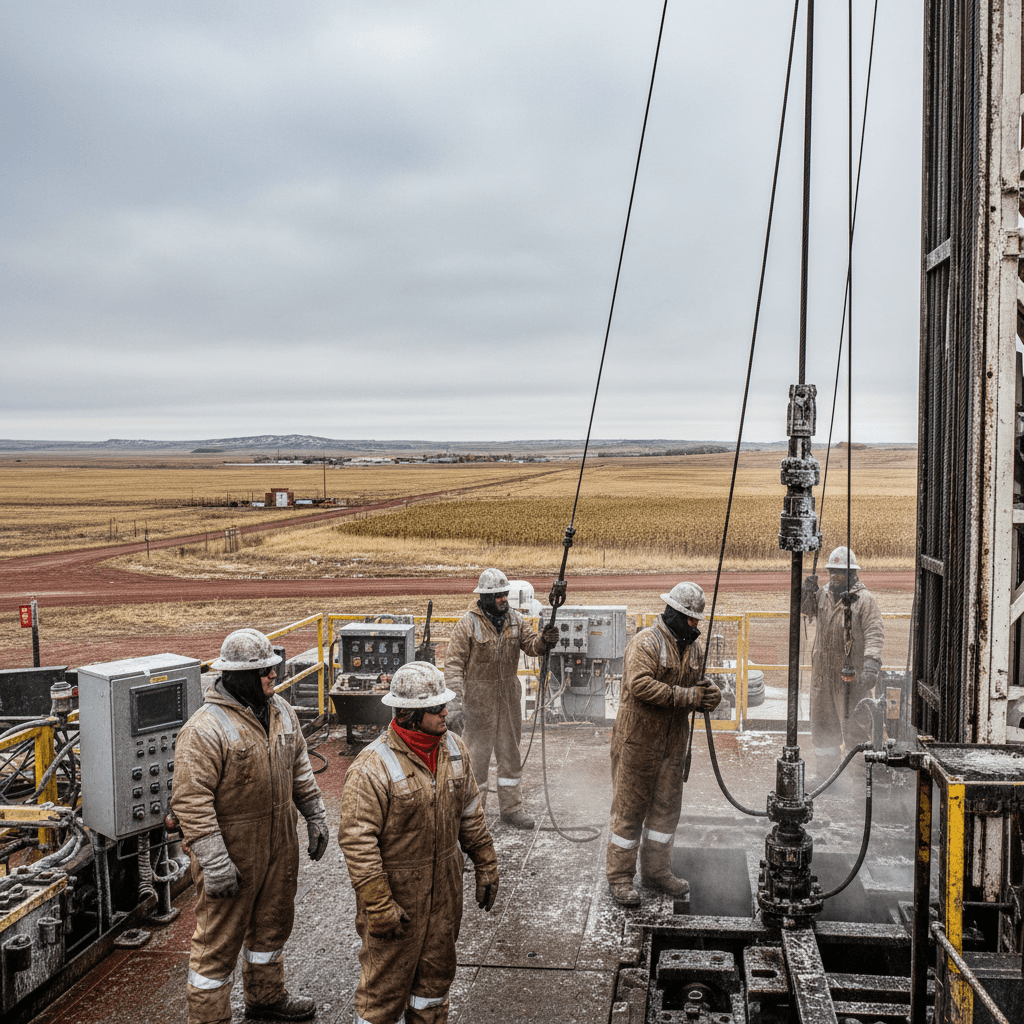
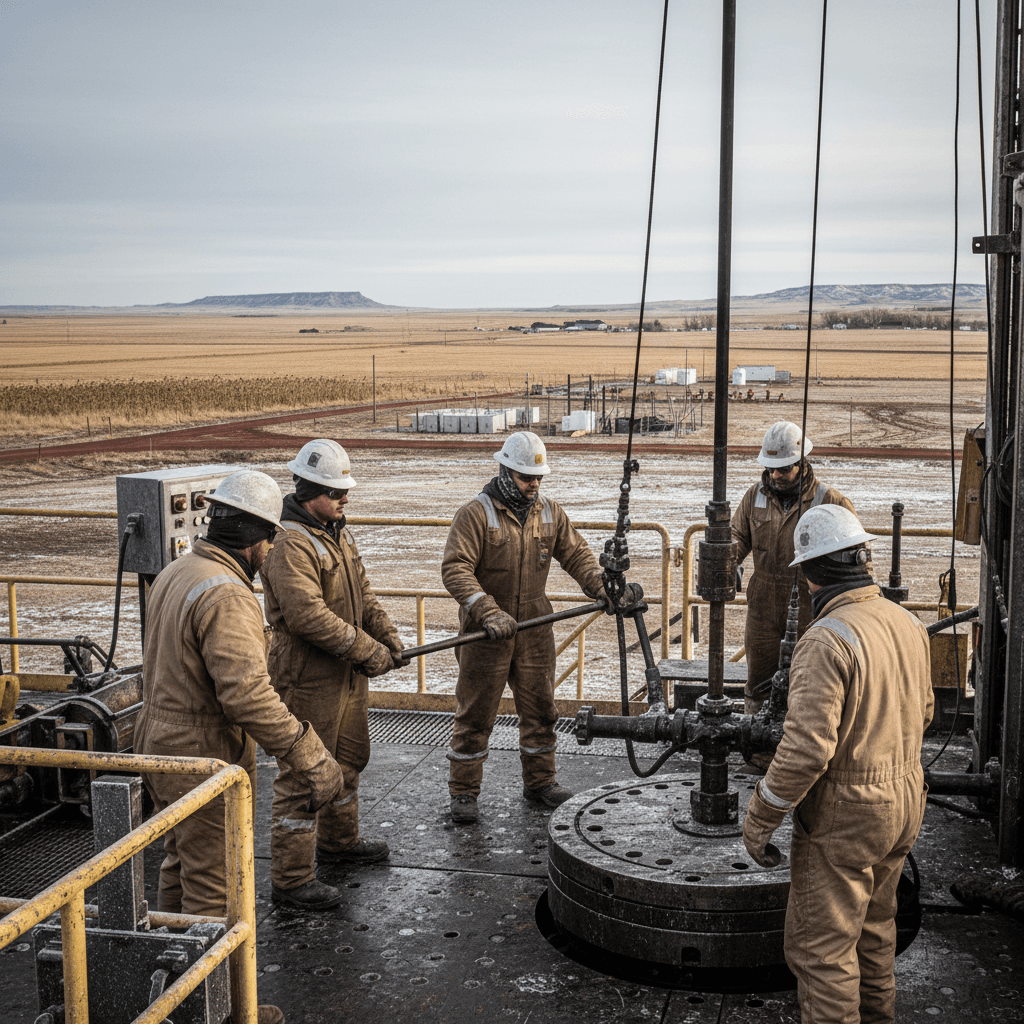
In the Bakken region, the rig count is a primary driver of direct oilfield employment, influencing demand for drillers, roustabouts, and completion crews. A count in the low 20s suggests a stable core workforce is maintained, avoiding the severe layoffs seen during major price downturns but not generating the intense hiring pressure of a boom period when counts can exceed 70.
This level of activity has downstream effects on local communities. Steady, rather than surging, activity helps mitigate the extreme housing shortages and rapid cost-of-living increases that historically plagued western North Dakota towns during periods of explosive growth. Municipal budgets reliant on sales and gross production taxes benefit from consistent production volumes supported by stable prices.
The current high oil price environment, with WTI near $96, allows operators to generate cash flow and maintain capital programs, which in turn supports the service sector and local businesses. However, the rig count reflects a continued industry focus on capital discipline and efficiency, with companies prioritizing returns over aggressive production growth. This approach leads to a more predictable demand for labor and housing.
For royalty owners and local governments, sustained prices above $90 provide reliable revenue streams. The community impact of the modern Bakken is characterized by this stability, as the industry has matured and adapted to operate profitably across a wider range of commodity prices, reducing the volatility that once defined the region's economy.
Source
Bakken Wire Live Data as of May 8, 2026