Bakken Rig Count Holds at 23 as Oil Prices Retreat from Recent Highs
Workforce stability persists in Western North Dakota communities, but sustained high prices are needed for significant activity growth.
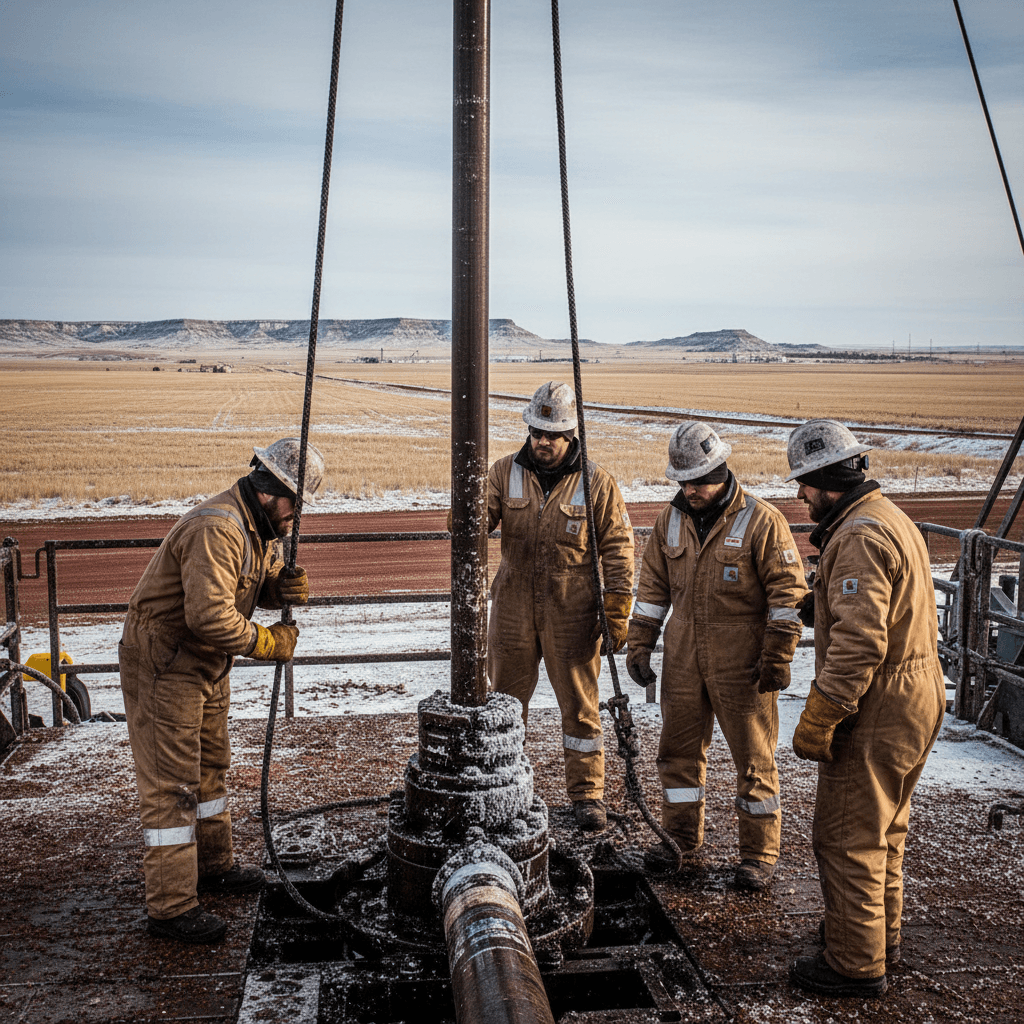
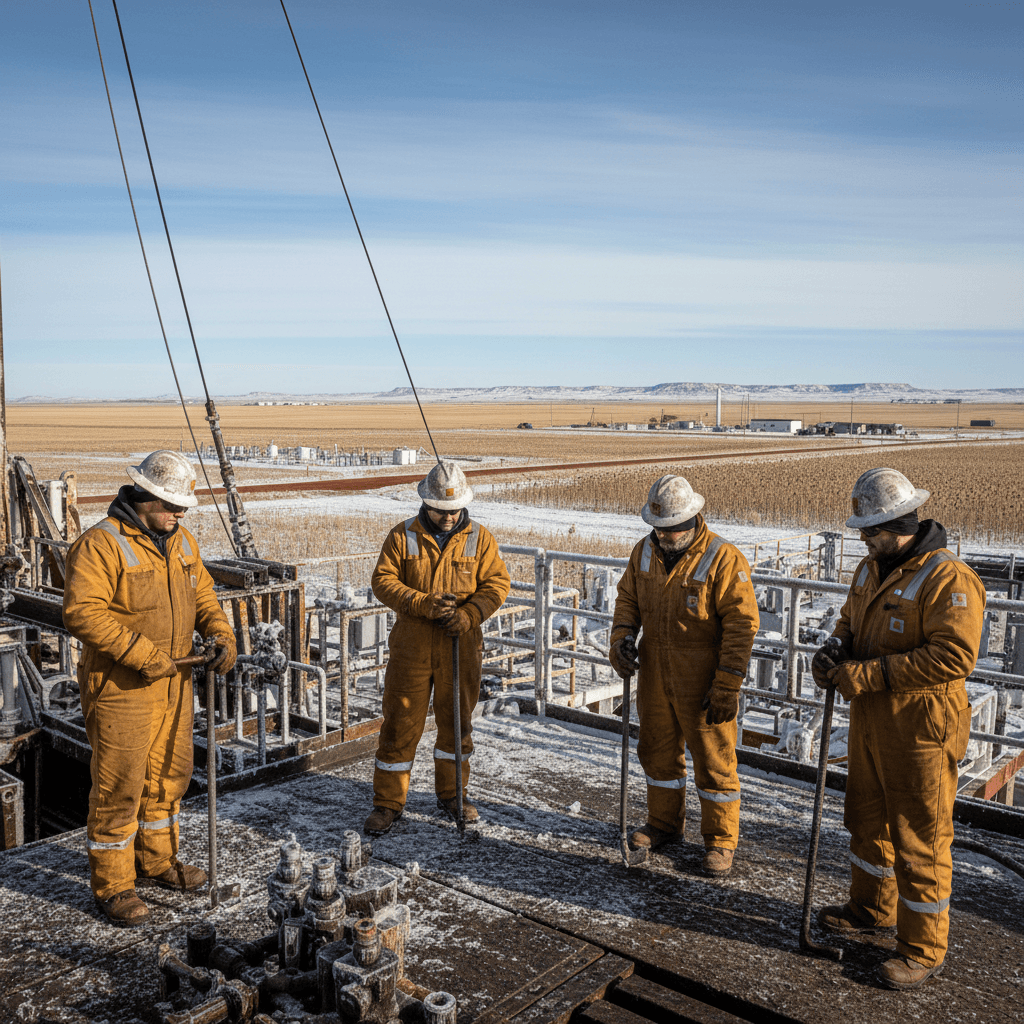
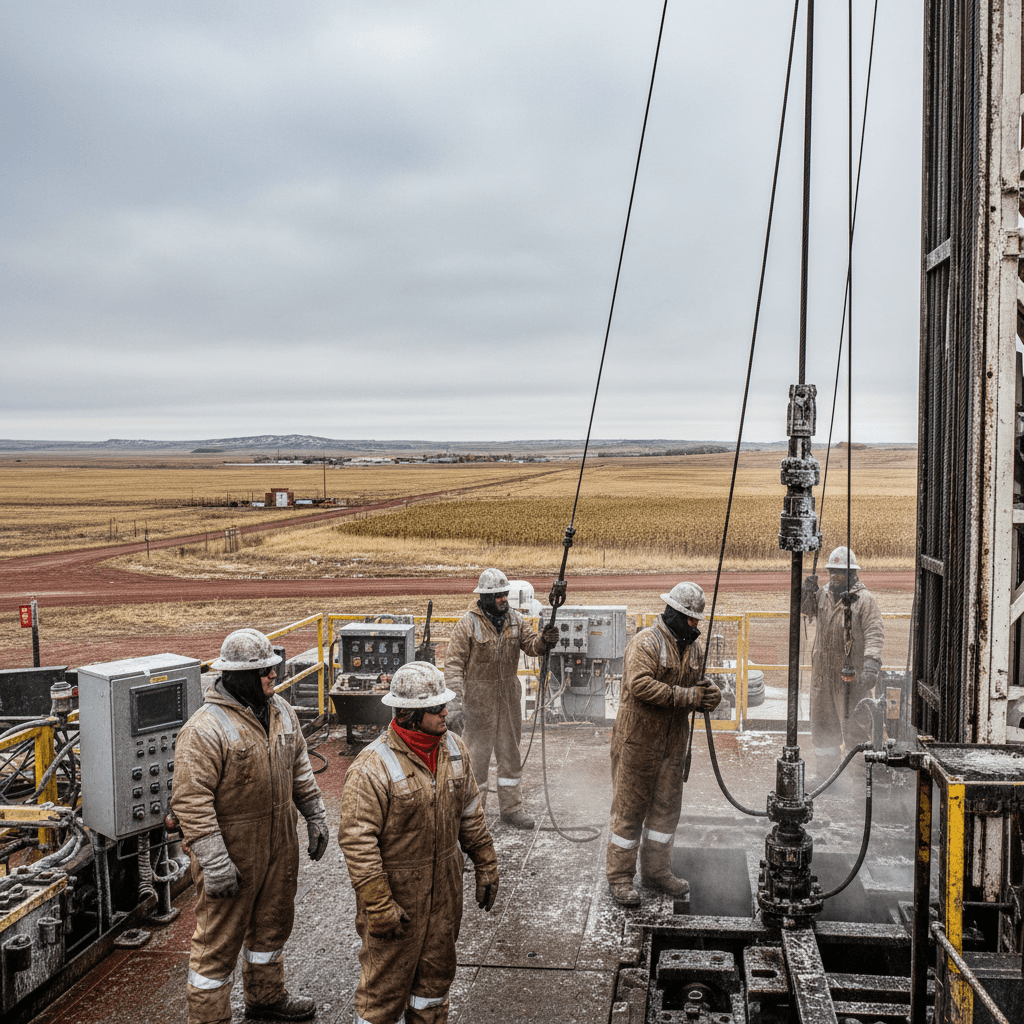
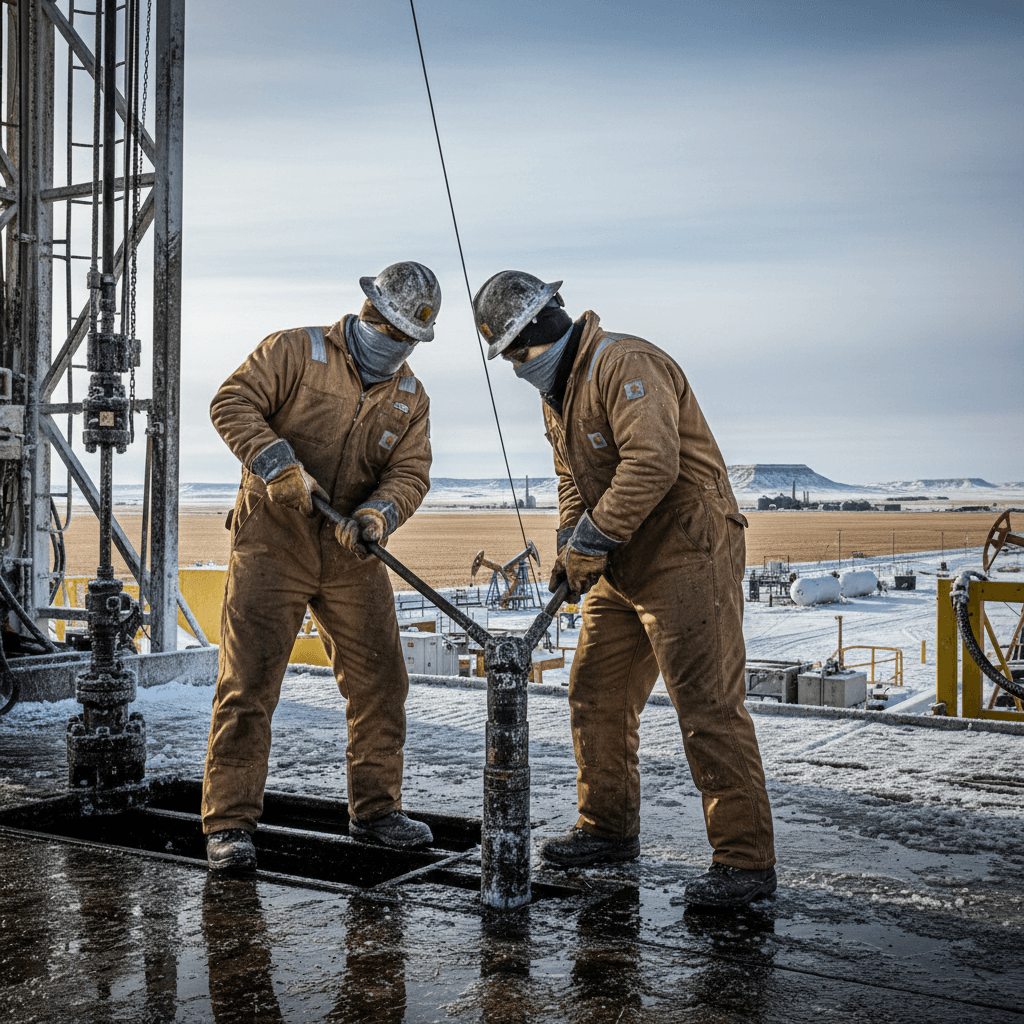
The active drilling rig count in North Dakota held steady at 23 this week, according to Bakken Wire data, as crude oil prices saw a midday pullback on Sunday, April 26. The current activity level suggests a stabilized operational footprint for Bakken producers, directly influencing employment and economic conditions in the region's oilfield communities.
West Texas Intermediate (WTI) crude was trading at $94.40 per barrel, down $1.45 for the session. The international Brent benchmark was at $99.13. The Bakken crude differential—the discount for oil produced in the region—was $3.42 below the WTI price. Natural gas traded at $2.68 per MMBtu.
The rig count is a leading indicator for oilfield employment, service company demand, and housing needs in communities like Williston, Dickinson, and Watford City. A count in the low 20s, sustained over time, typically supports a core workforce but does not generate the intense demand for labor and housing seen during boom periods when rig counts exceeded 200. The current level indicates a mature, efficient phase of development focused on core acreage and maximizing output from existing wells.
For local economies, the steady activity provides a baseline of support for service companies, trucking firms, restaurants, and retail businesses. However, the midday price decline highlights the sensitivity of future plans to commodity markets. Sustained prices above current levels, particularly for WTI, are generally viewed as necessary to justify significant increases in drilling budgets and, consequently, hiring surges.
The Bakken differential is a critical factor for operator revenue. A discount of $3.42 per barrel means Bakken producers realize a price of approximately $90.98 for their crude, based on the current WTI price. Narrow differentials are favorable for local producers and royalty owners, improving netbacks and cash flow for reinvestment or community spending.
General industry context holds that prolonged periods with rig counts in this range lead to a balanced housing market and manageable pressure on local infrastructure, in contrast to the severe strains experienced during previous boom cycles. Workforce availability often aligns closely with these activity levels, as experienced workers follow drilling campaigns.
The stability in the rig count, amidst fluctuating prices, points to disciplined capital spending by operators. The focus remains on generating free cash flow and returning value to shareholders, which moderates the rapid expansion of field activity and its immediate impact on community growth and resource demands.
Source
Bakken Wire live market and rig count data for April 26, 2026.