Bakken Rig Count Holds at 23 as Oil Prices Retreat Sharply
Workforce stability faces test with WTI crude falling over 6% to $83.22, pressuring operator margins and regional economic activity.
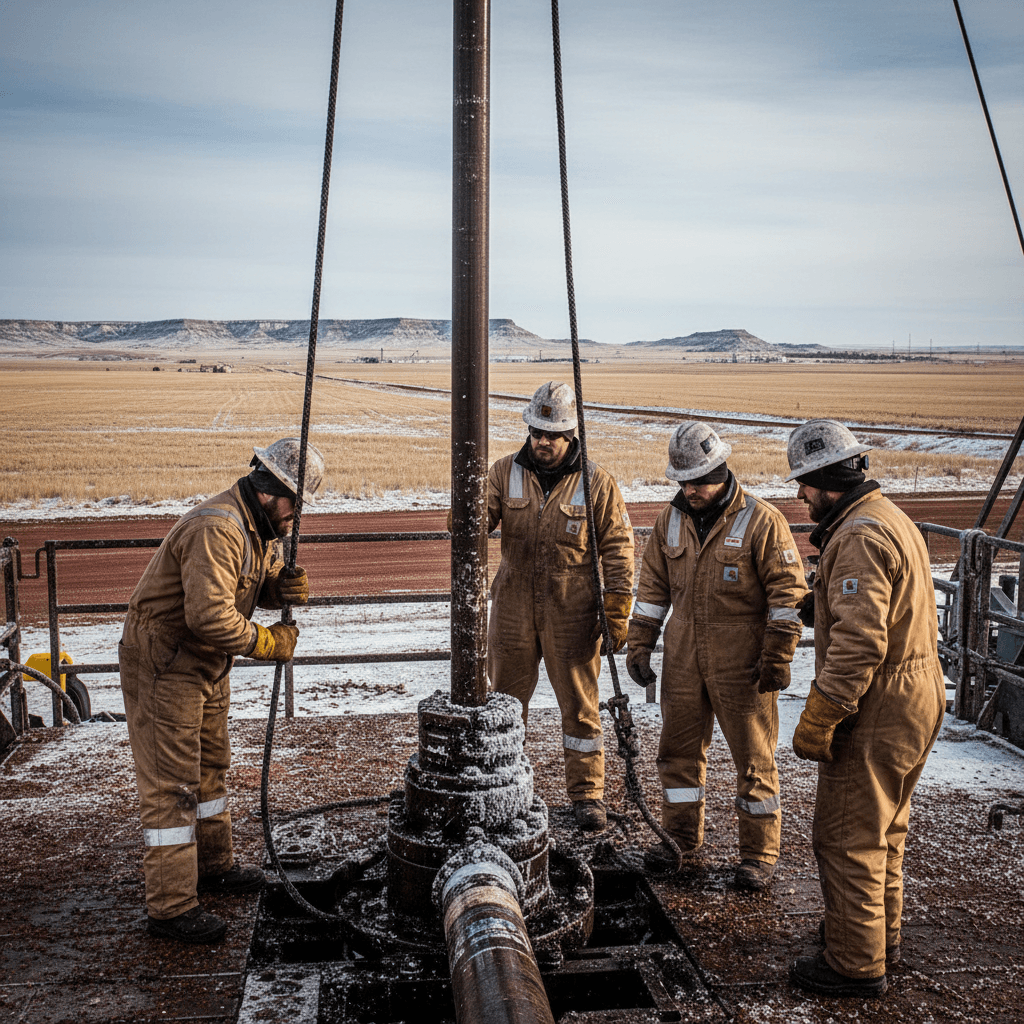
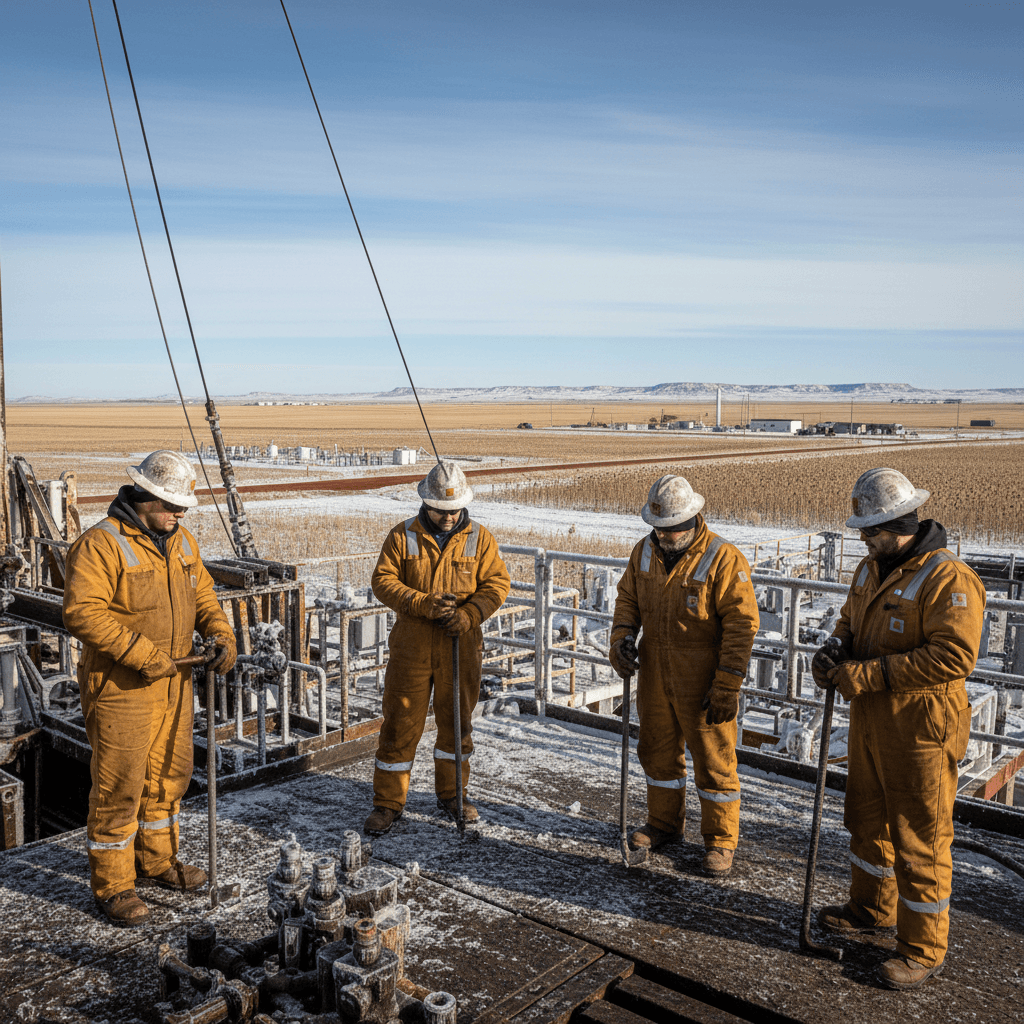
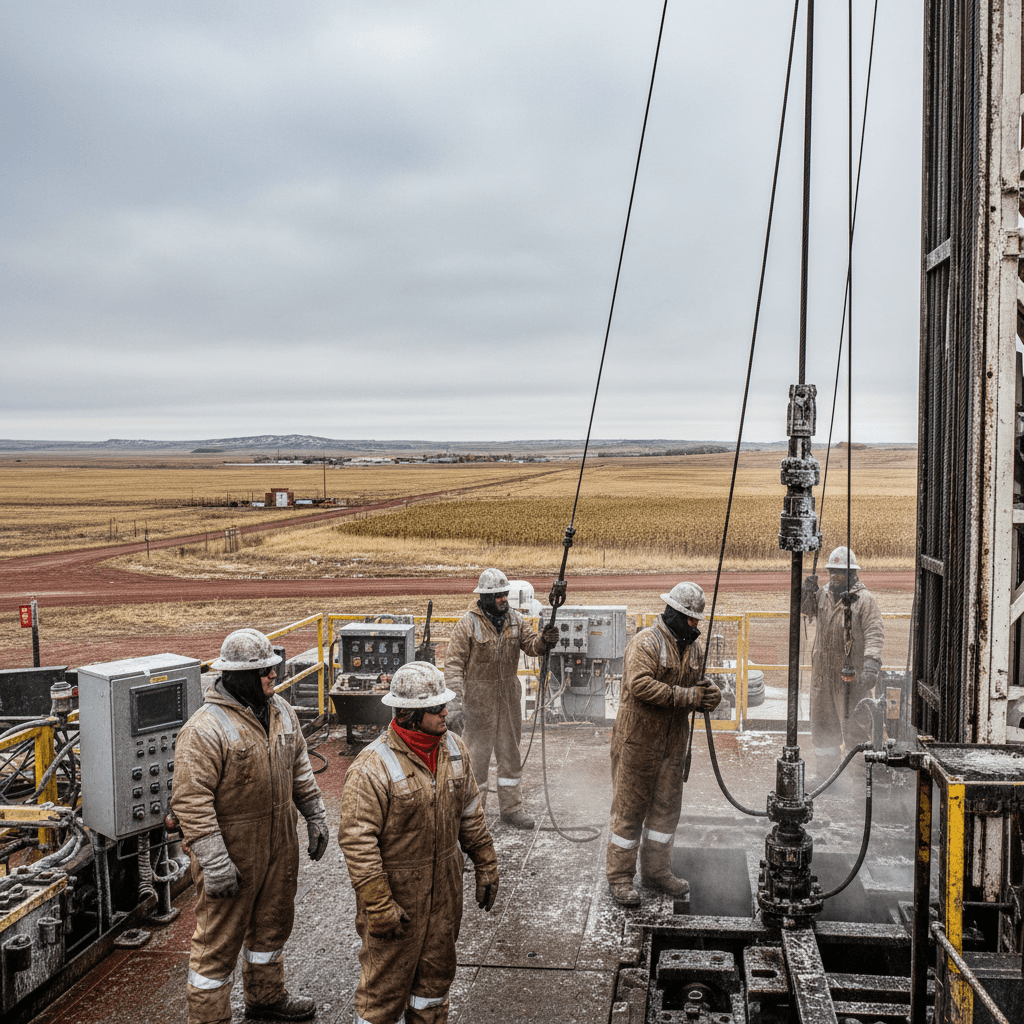
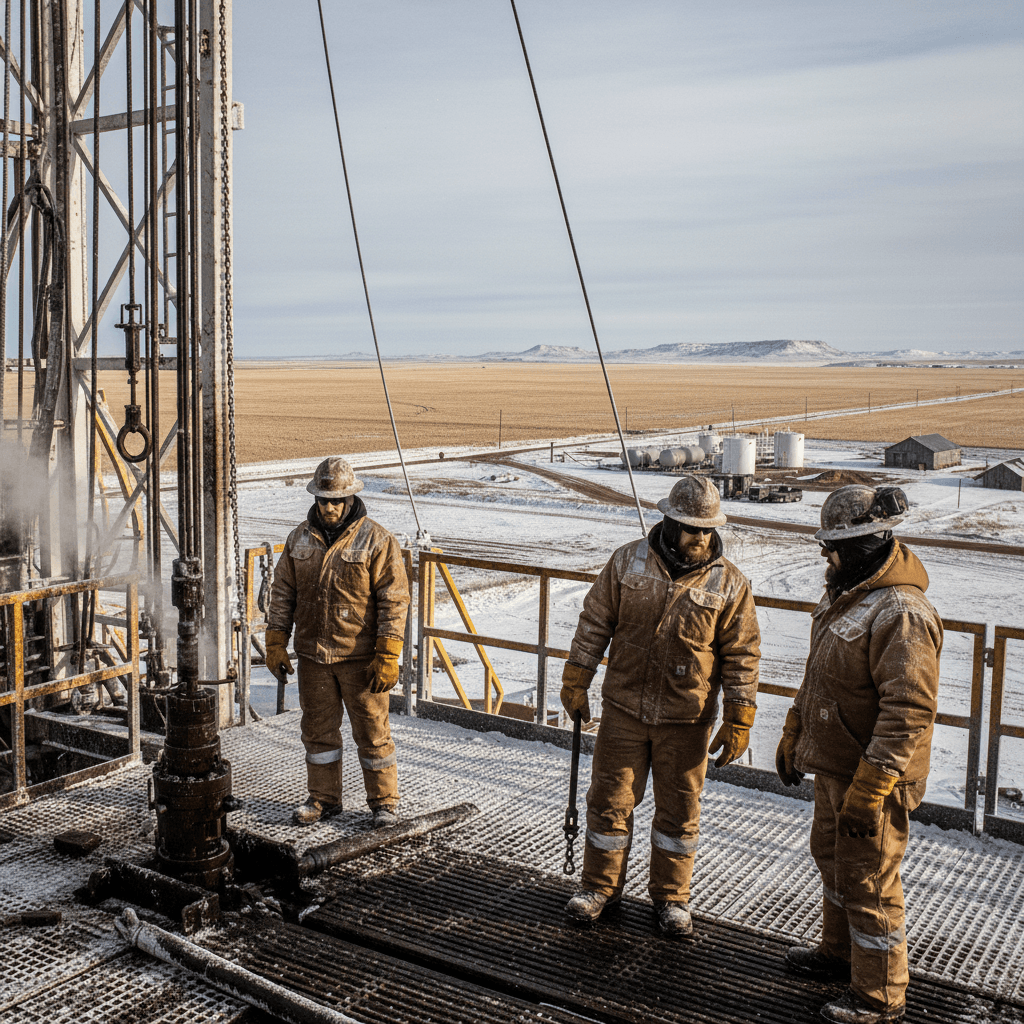
The active drilling rig count in North Dakota held steady at 23 on Monday, July 27, 2026, according to live Bakken Wire data. This level of activity, while stable in the short term, operates against a backdrop of sharply declining crude oil prices, which directly influence hiring, housing demand, and economic vitality in the state's western oil-producing counties.
West Texas Intermediate (WTI) crude oil was trading at $83.22 per barrel, down $6.09 or 6.82% for the day. The international benchmark Brent crude fell 7.39% to $89.63. The price for Bakken crude at the wellhead is effectively lower, with the Bakken differential sitting at a discount of $3.42 per barrel versus WTI. Natural gas prices remained weak at $2.80 per MMBtu.
The rig count is a leading indicator for oilfield employment, encompassing jobs for drilling crews, hydraulic fracturing teams, and associated services. A count in the low 20s suggests a relatively tight labor market focused on core development areas, but it leaves little room for significant workforce expansion. Sustained lower commodity prices typically lead operators to re-evaluate capital budgets, which can slow the pace of new drilling and completions, directly impacting job numbers.
The health of local communities in the Bakken region is intrinsically linked to this cycle. During periods of high activity driven by strong oil prices, population influx strains housing, infrastructure, and services, often leading to shortages and inflation. The current moderated rig count points to a more stabilized environment compared to previous booms, likely easing acute pressure on housing availability and municipal resources.
However, the day's severe price drop introduces new uncertainty. A prolonged period of lower prices threatens to reduce the cash flow of Bakken operators, potentially leading to deferred projects and a contraction in the service sector workforce. Local economies reliant on oilfield workers' spending in retail, hospitality, and automotive sectors are sensitive to these shifts.
The stability seen in the current rig count may reflect projects committed under previously higher price scenarios. The coming weeks will be critical in showing whether operators maintain this level of activity or if the price decline forces a reduction, which would ripple through the Bakken workforce and the communities that support it.
Source
Bakken Wire Live Data as of July 27, 2026