Bakken Rig Count Holds at 24 Amid Sharp Oil Price Decline
Workforce stability persists in western North Dakota despite a volatile crude market and multi-year low activity levels.
The active drilling rig count in North Dakota's Bakken formation remained steady at 24 on Tuesday, a level that has defined a new baseline of reduced field activity in the region. The stability comes despite a sharp sell-off in crude oil markets, with West Texas Intermediate (WTI) closing at $79.22 per barrel, down 4.1% for the day.
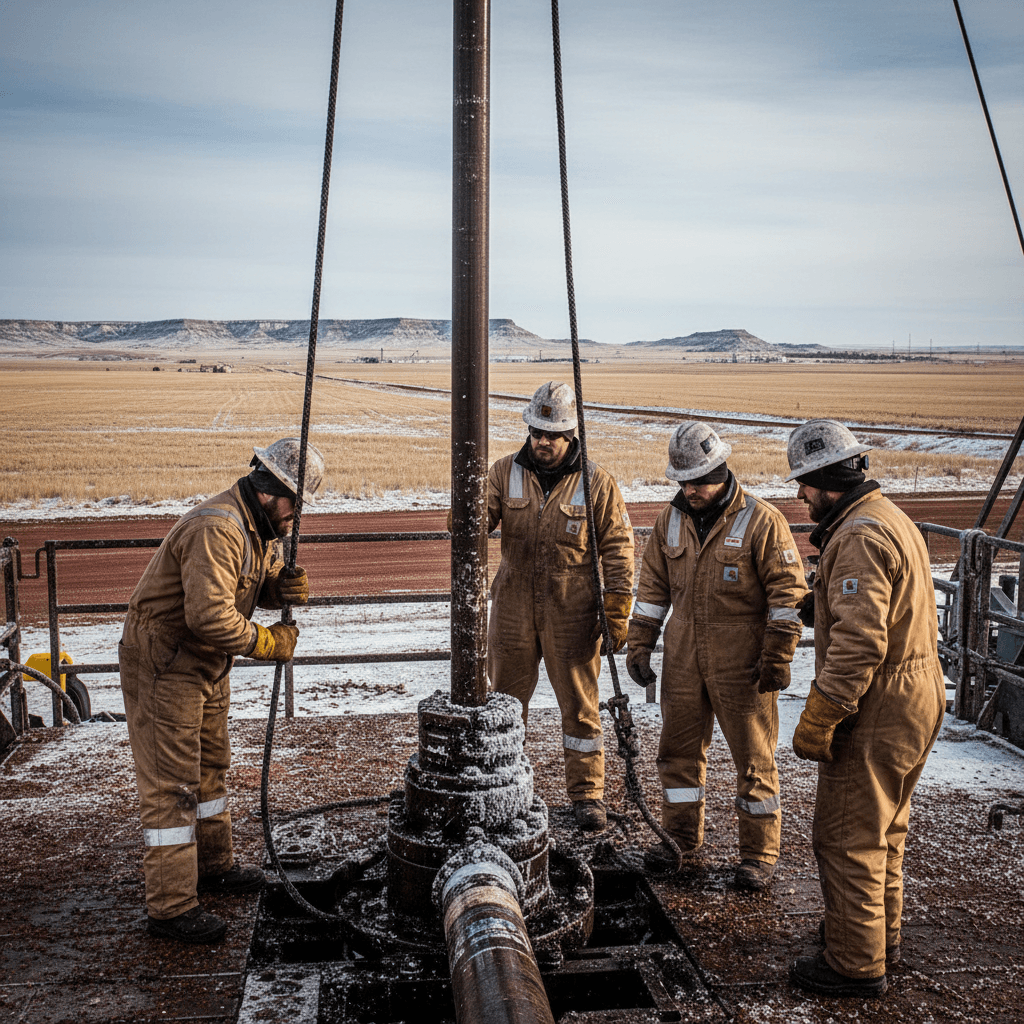
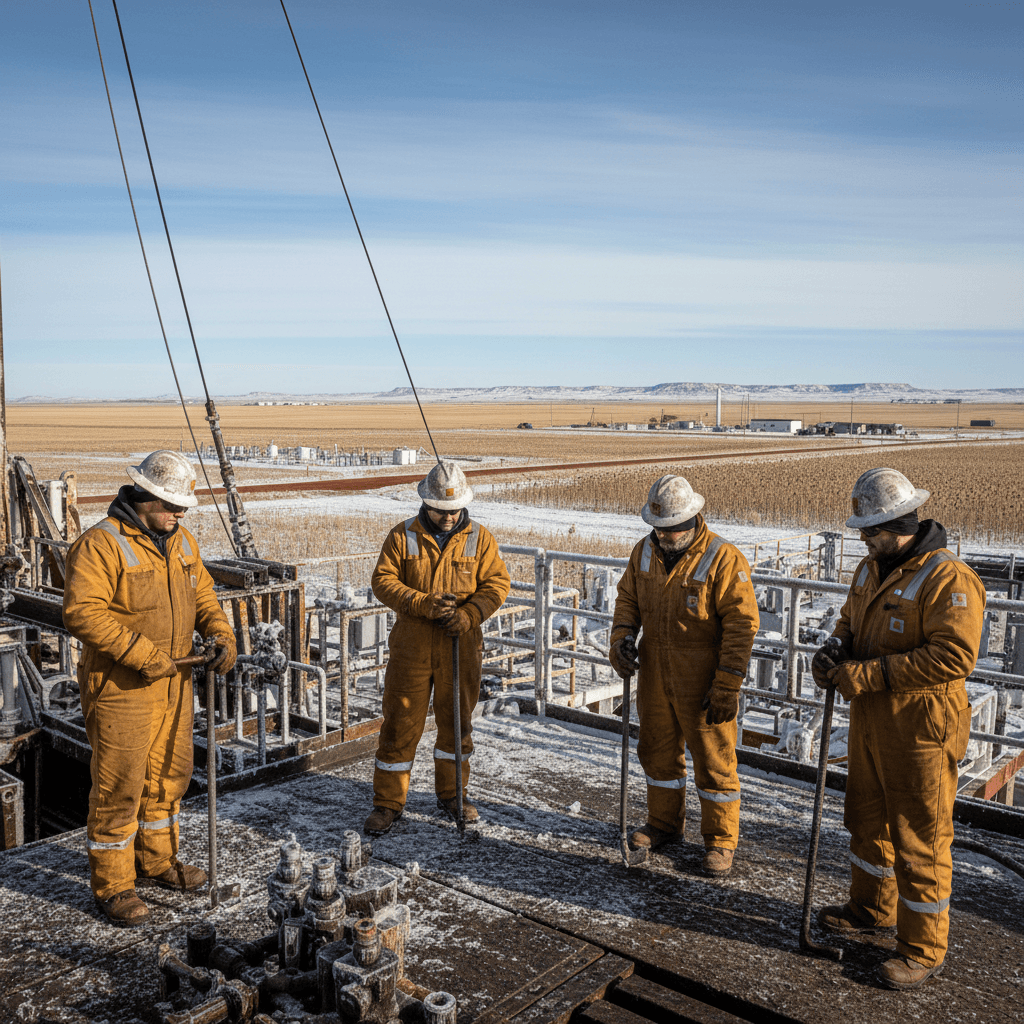
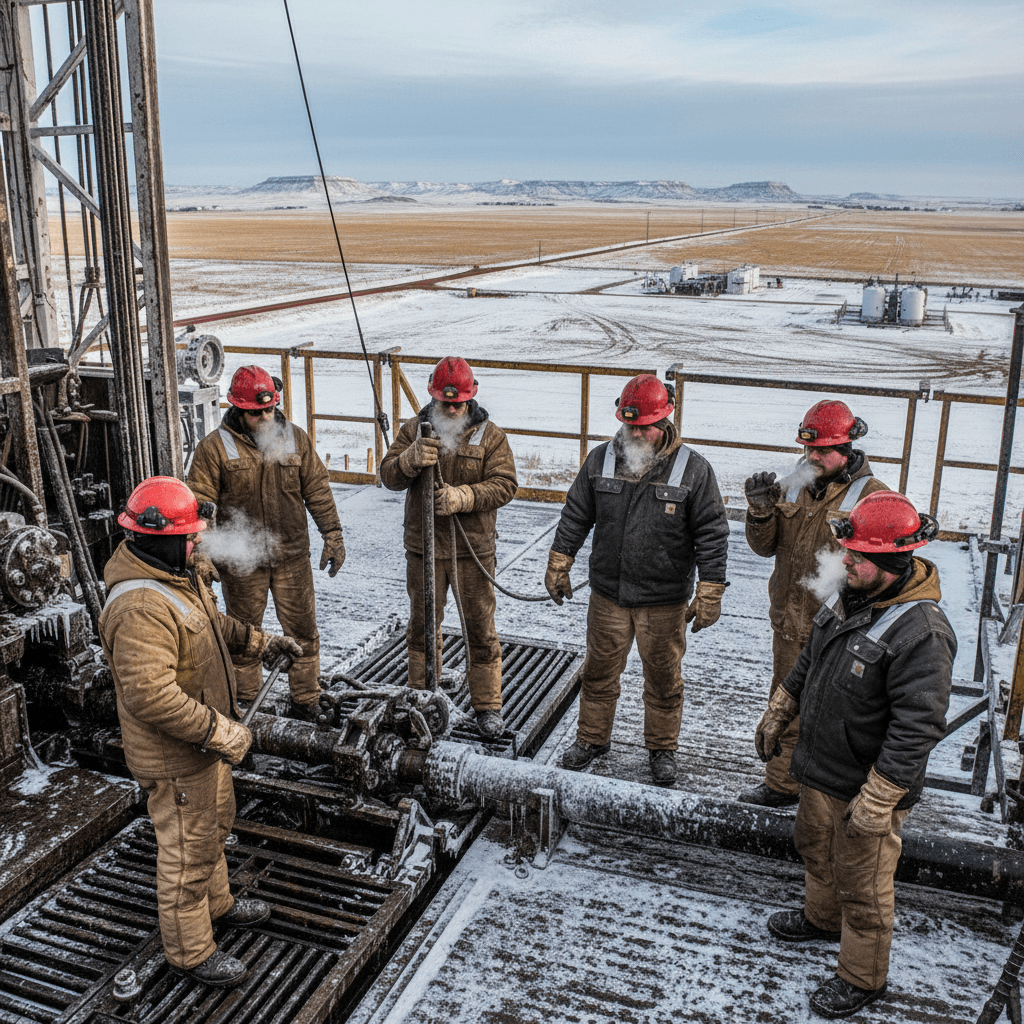
The current rig count, while unchanged from recent reports, represents a fraction of the historic highs seen during previous boom cycles. This sustained lower level of drilling activity has led to a stabilized, though diminished, demand for oilfield labor compared to the peaks of the last decade. Employment in core extraction and support sectors is likely concentrated around maintaining existing production from the basin's vast inventory of wells.
For local communities, the extended period of modest activity has allowed housing markets and municipal services to adjust. The frenetic pressure on housing, infrastructure, and schools that characterized the boom years has largely subsided. Economies in western North Dakota are now more accustomed to a pace driven by production efficiency and commodity price thresholds rather than rampant rig-led expansion.
The day's significant price drop—with Brent crude also falling 5.12% to $83.84—highlights the ongoing volatility that influences long-term hiring and investment plans. The Bakken crude differential held at a discount of $3.42 per barrel below WTI, a key factor for local operators' realized prices. Natural gas prices remained low at $2.68 per MMBtu, continuing to challenge the economics of associated gas production.
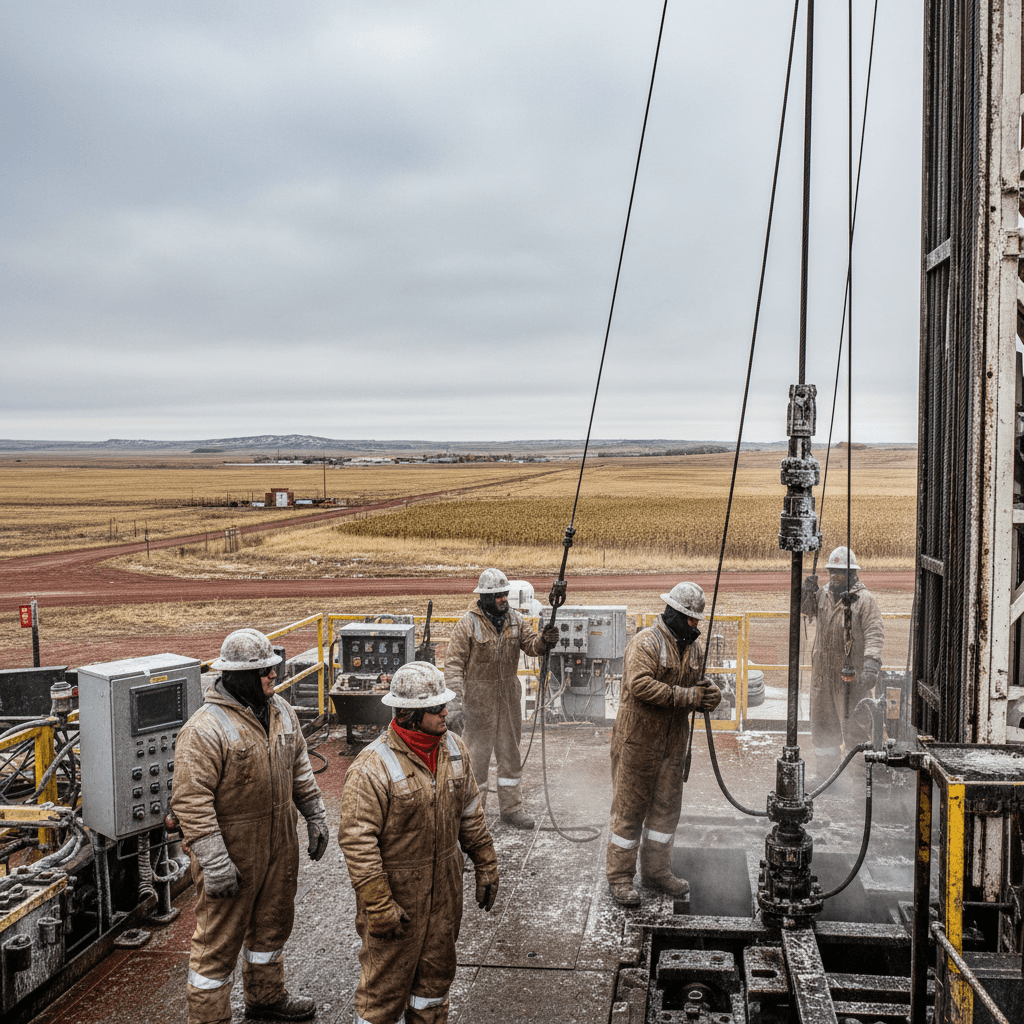
General industry context shows a direct correlation between the number of active drilling rigs and employment in oilfield construction, drilling, and well completion crews. With the rig count anchored in the mid-20s, the workforce required for new well construction is predictable and limited. The broader community impact is now more heavily tied to the performance of the existing base of producing wells, which continues to generate royalties, tax revenue, and steady jobs in production and maintenance.
The current environment suggests a focus on capital discipline by operators, with activity levels carefully calibrated to cash flow and commodity prices. This approach contributes to a less volatile but also less expansive job market in the region's oil-dependent towns.
Source
Bakken Wire Live Data as of Tuesday, July 28, 2026