Bakken Rig Count Holds at 24 as Higher Oil Prices Support Stability
Workforce and communities in western North Dakota see sustained, moderate activity level as crude prices trade above $84.
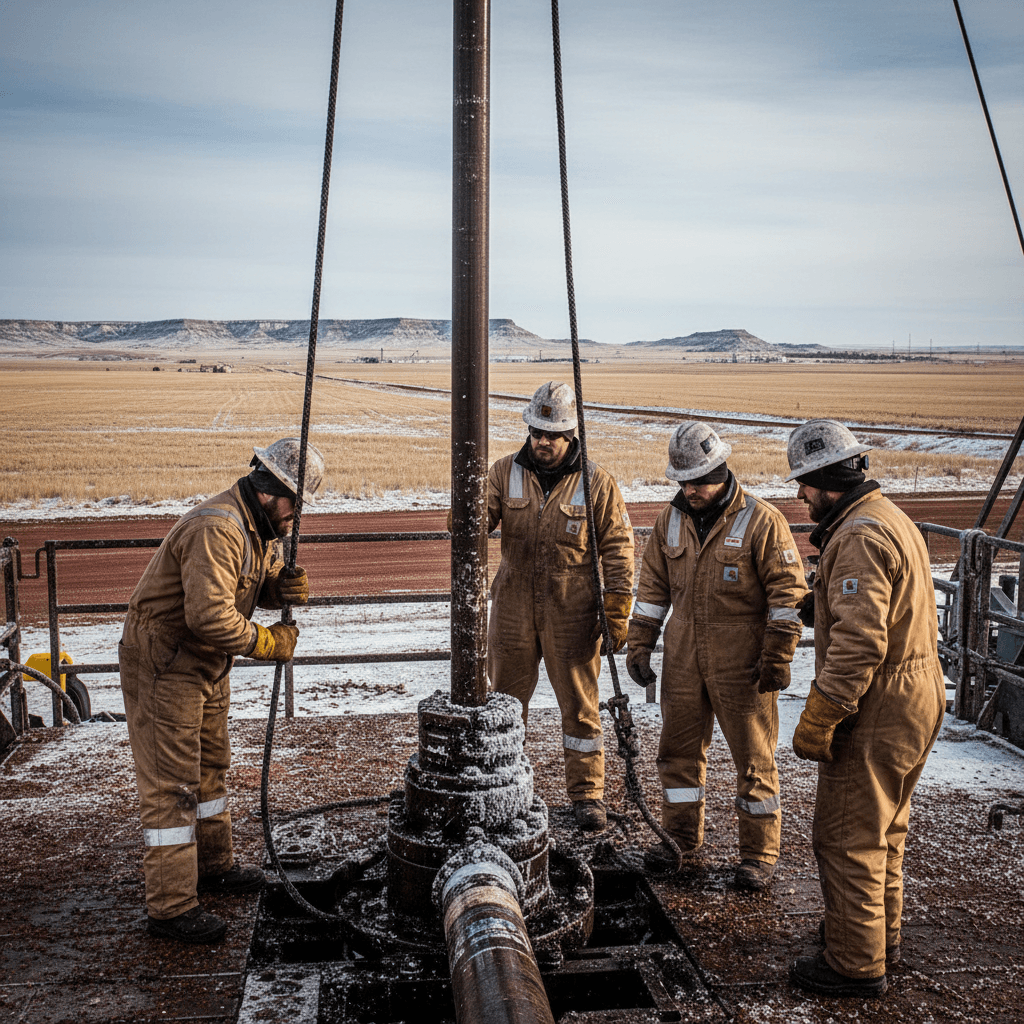
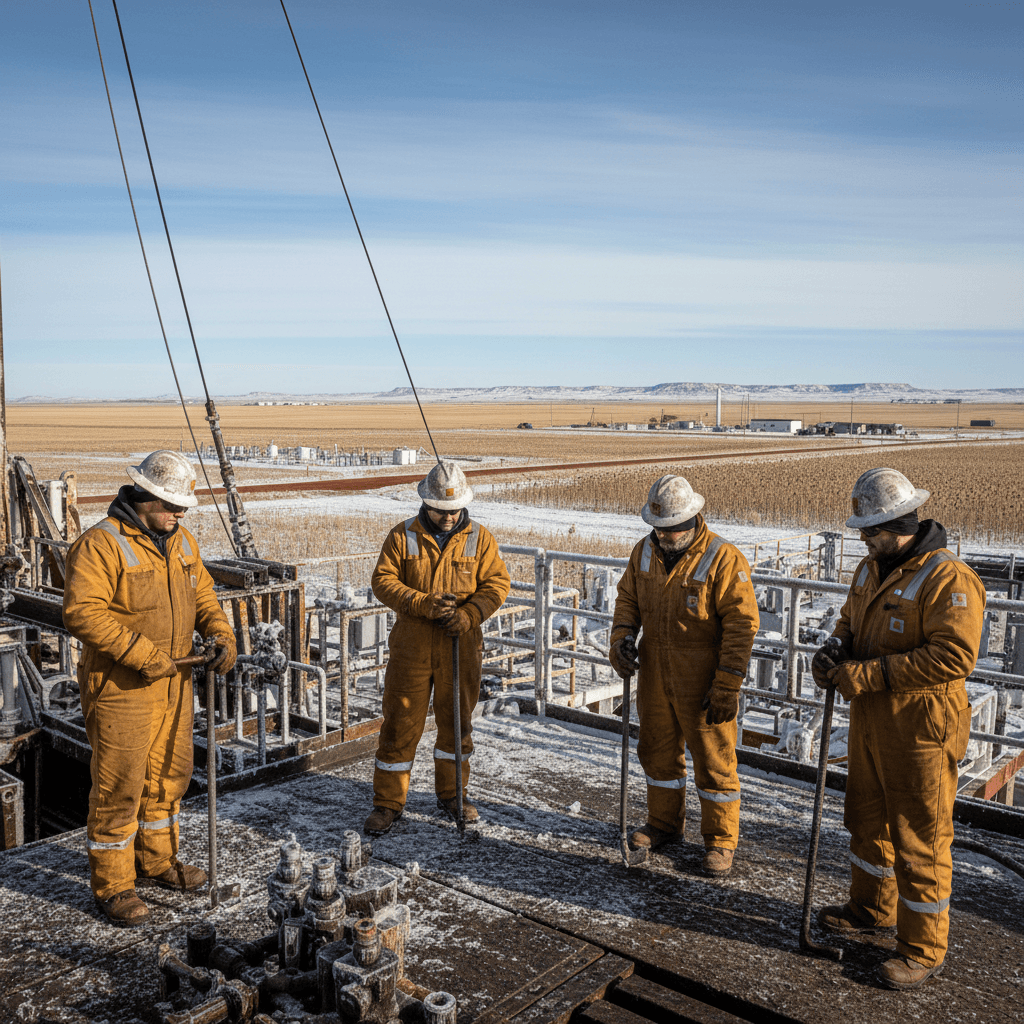
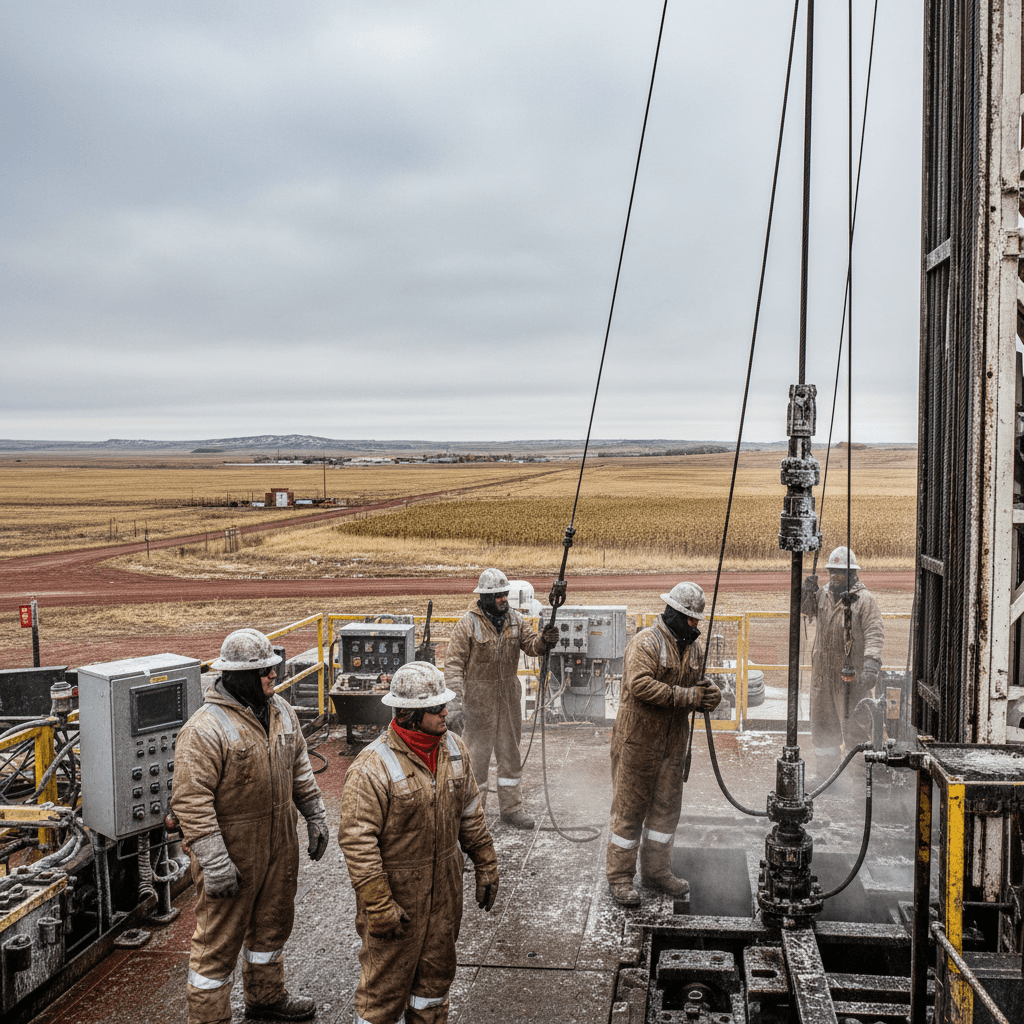
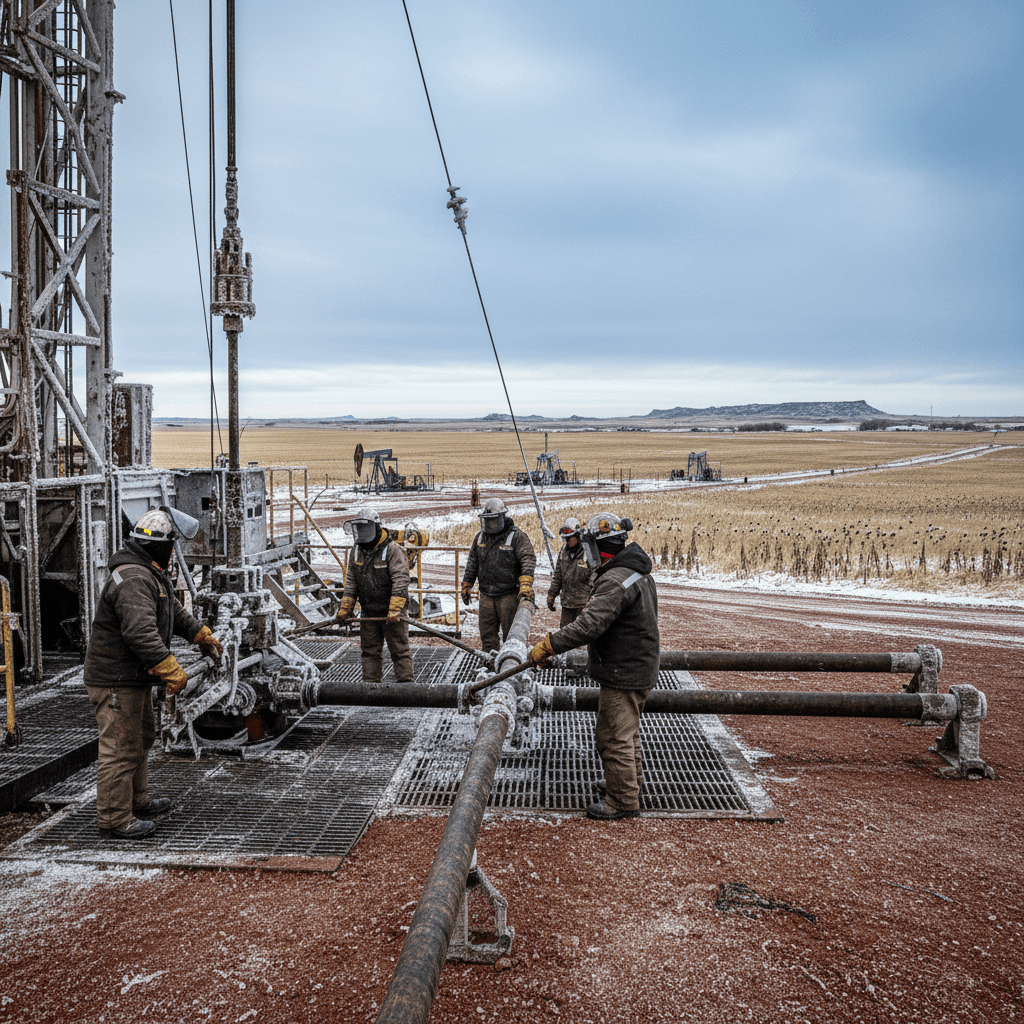
The North Dakota oil and gas workforce is operating against a backdrop of stable, moderate activity, with the state's active rig count holding at 24 on Tuesday. The current count represents a consolidation of operational footprint compared to previous boom cycles, according to general industry analysis.
Elevated crude oil prices are providing underlying support for this level of activity. West Texas Intermediate (WTI) crude traded at $84.31 per barrel at midday, a gain of $2.22% on the day. The international Brent benchmark was at $91.15. Bakken crude traded at a discount of $3.42 per barrel to WTI, for a wellhead price of approximately $80.89.
Historically, rig counts serve as a leading indicator for employment and service demand in oil-producing regions like the Bakken. A stable rig count in the mid-20s suggests a corresponding steadiness in direct oilfield employment for roles including drillers, rig hands, and company personnel. This level is sufficient to maintain core operations but does not signal the rapid expansion that drives large-scale hiring waves and population influxes.
The impact on Bakken communities—including Williston, Dickinson, and Minot—is one of sustained equilibrium. Housing markets, which experienced extreme volatility during past boom-and-bust cycles, are likely seeing stable demand without severe shortages or price spikes. Local government revenues from sales and property taxes benefit from consistent, if not explosive, economic activity.
Service companies supporting drilling and completion operations experience predictable demand at this activity level. Sectors like trucking, lodging, and equipment maintenance remain active but are not straining capacity. The current environment allows for long-term planning by both operators and community leaders, avoiding the disruptive swings of the past.
Natural gas prices, a secondary revenue stream for many Bakken wells, were quoted at $2.88 per MMBtu. While not a primary driver for the gas-rich Bakken formation, this price provides additional cash flow to operators.
The combination of oil prices solidly above $80 and a steady rig count points to a period of maintenance and efficient development for the Bakken. For the regional workforce and communities, this translates to a predictable economic climate, balancing oil-driven prosperity with manageability.
Source
Live Bakken Data for July 21, 2026