Bakken Rig Count Holds at 24 as Oil Prices Retreat Sharply
Workforce and community stability in western North Dakota faces a test as WTI crude falls below $90, pressuring operator activity.
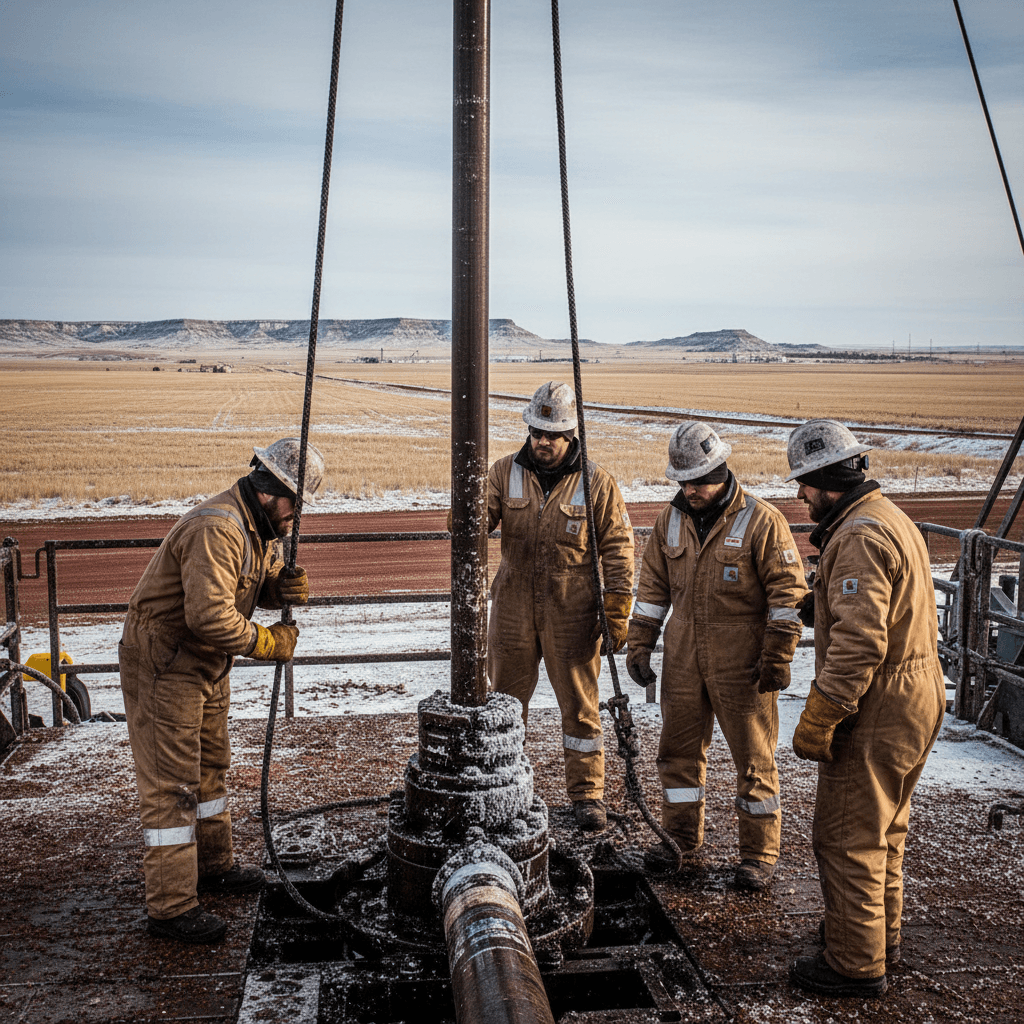
The active drilling rig count in North Dakota held steady at 24 on Saturday, July 25, 2026, according to live Bakken data, providing a measure of stability for regional employment even as crude oil prices saw a significant sell-off. West Texas Intermediate (WTI) crude fell $2.88 to settle at $89.31 per barrel, a drop of 3.12%. The global benchmark Brent crude declined 3.88% to $96.78.
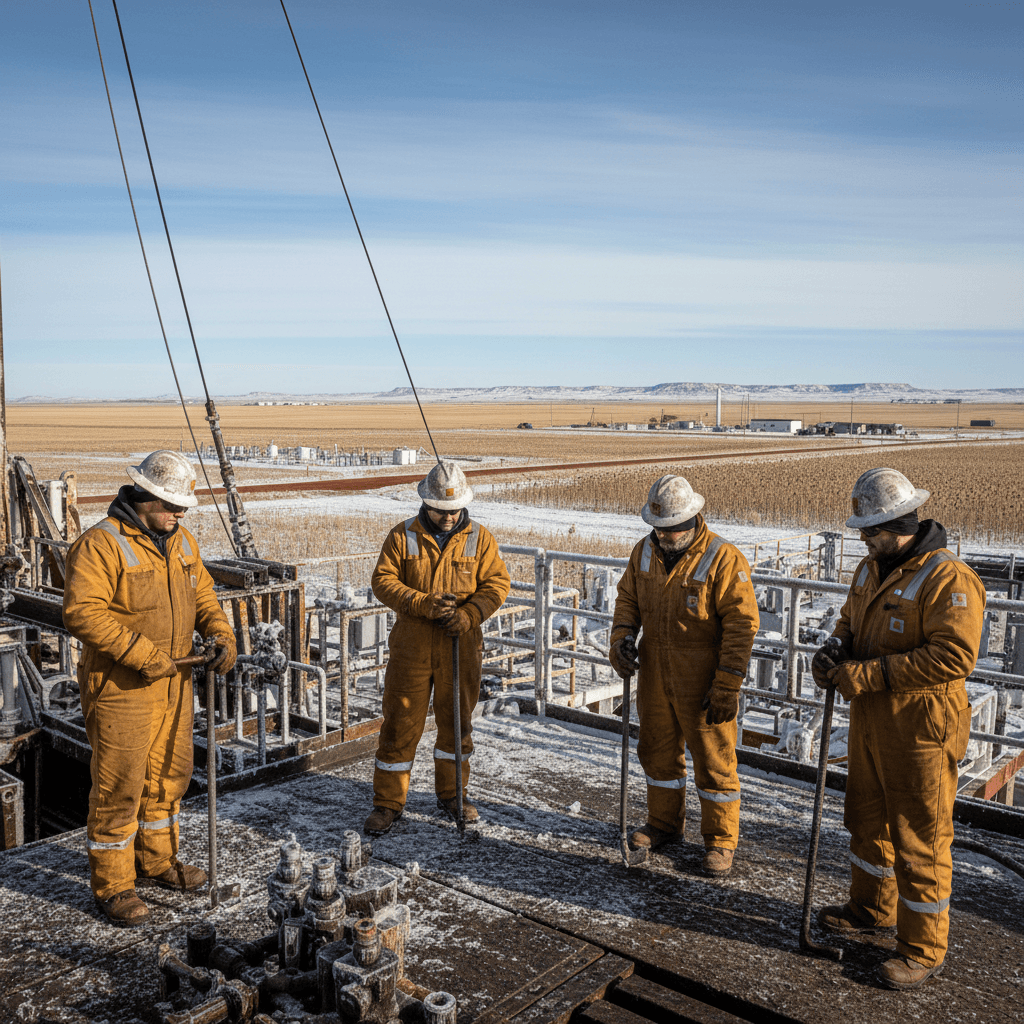
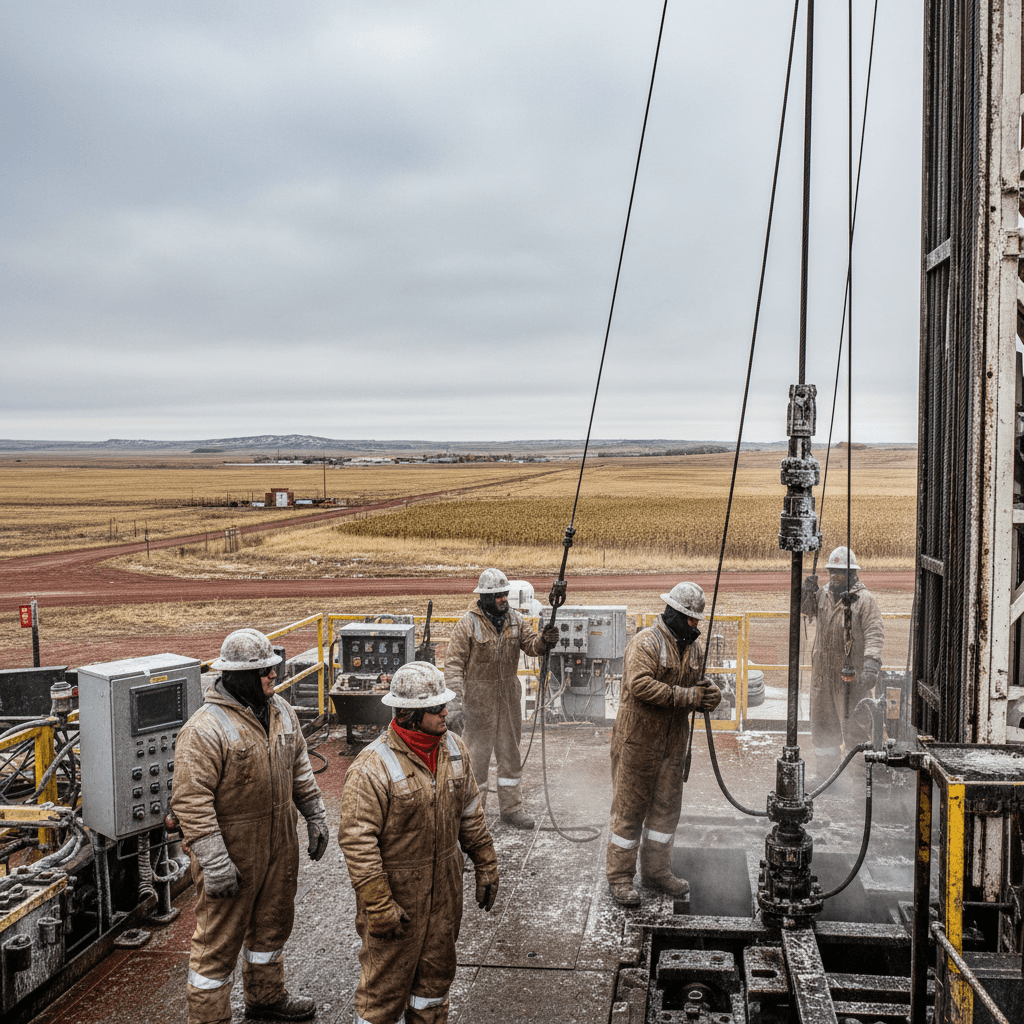
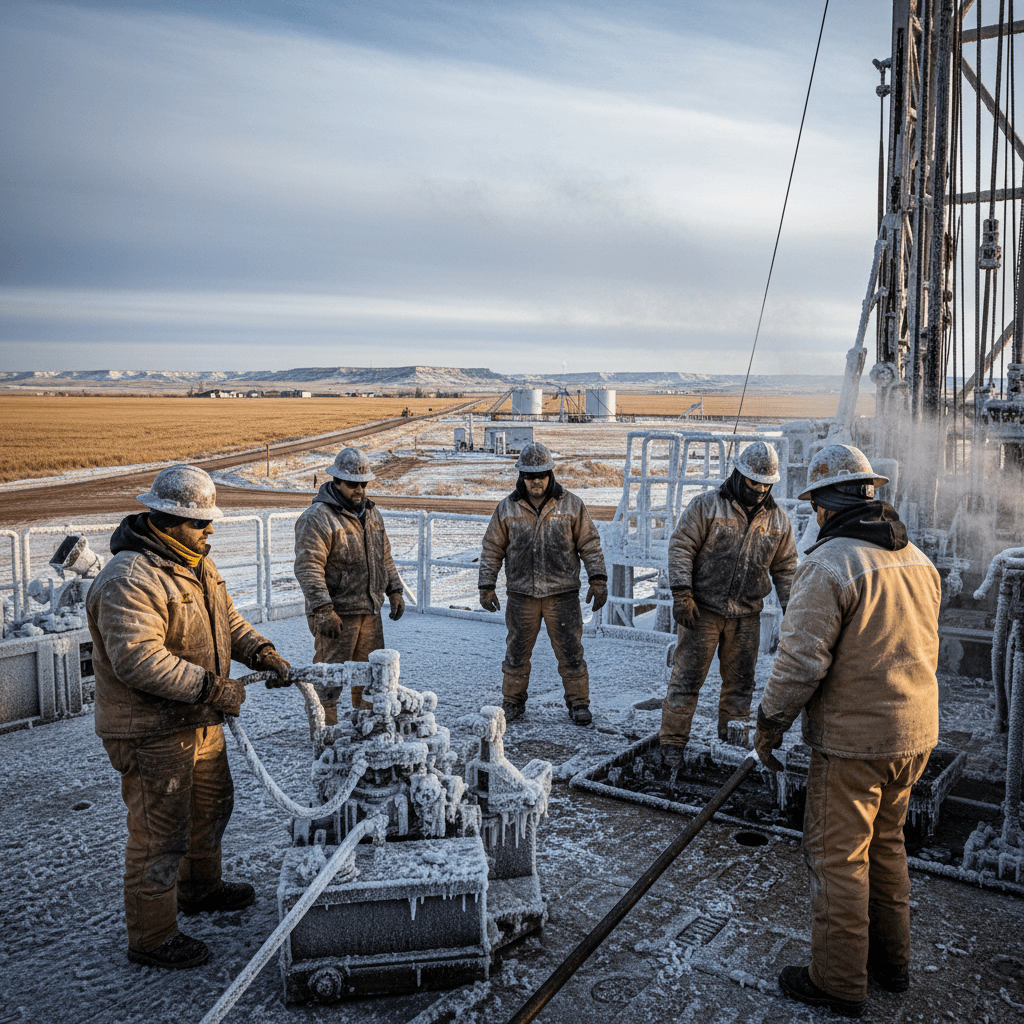
The current rig level, while stable week-to-week, reflects a historically moderated pace of activity for the Bakken formation. Direct oilfield employment, including drilling, completion, and production crews, is closely tied to this rig count. A sustained count in the mid-20s suggests a core level of operational jobs is being maintained, but offers limited prospects for the large-scale hiring booms seen during previous high-price cycles.
The sharp midday price drop for crude, with WTI falling below the $90 threshold, introduces renewed uncertainty for local economies in the Williston Basin. Oil prices are a primary driver for operator capital budgets, which directly influence drilling plans and, consequently, demand for workers. The Bakken differential—the discount for Bakken crude compared to WTI—was recorded at -$3.42, indicating local barrels are fetching approximately $85.89.
Community indicators such as housing demand, retail sales, and local government tax revenues are downstream effects of this oilfield activity. Periods of high rig counts and strong oil prices typically lead to population influx, rising wages, and increased pressure on housing and infrastructure. The current environment, characterized by moderate rig activity and now volatile prices, is more likely associated with a stabilized, mature phase of development.
For royalty owners, the price decline directly impacts monthly check values, reducing the cash flow into households and the broader community economy. Natural gas prices, recorded at $2.89 per MMBtu, remain a secondary revenue factor for operators and royalty owners in the associated gas-producing region.
The stability of the 24-rig count will be tested if the lower oil price environment persists. Operators may delay or defer new drilling projects, which would first impact the most cyclical parts of the workforce before affecting core production jobs. For now, Bakken communities are operating in a steady state, but are highly attuned to the direction of the next move in crude markets.
Source
Live Bakken Data as of Saturday, July 25, 2026