Bakken Rig Count Holds at 24 as Surging Oil Prices Boost Outlook
Workforce and communities watch for signs of increased activity as crude prices jump over 7%.
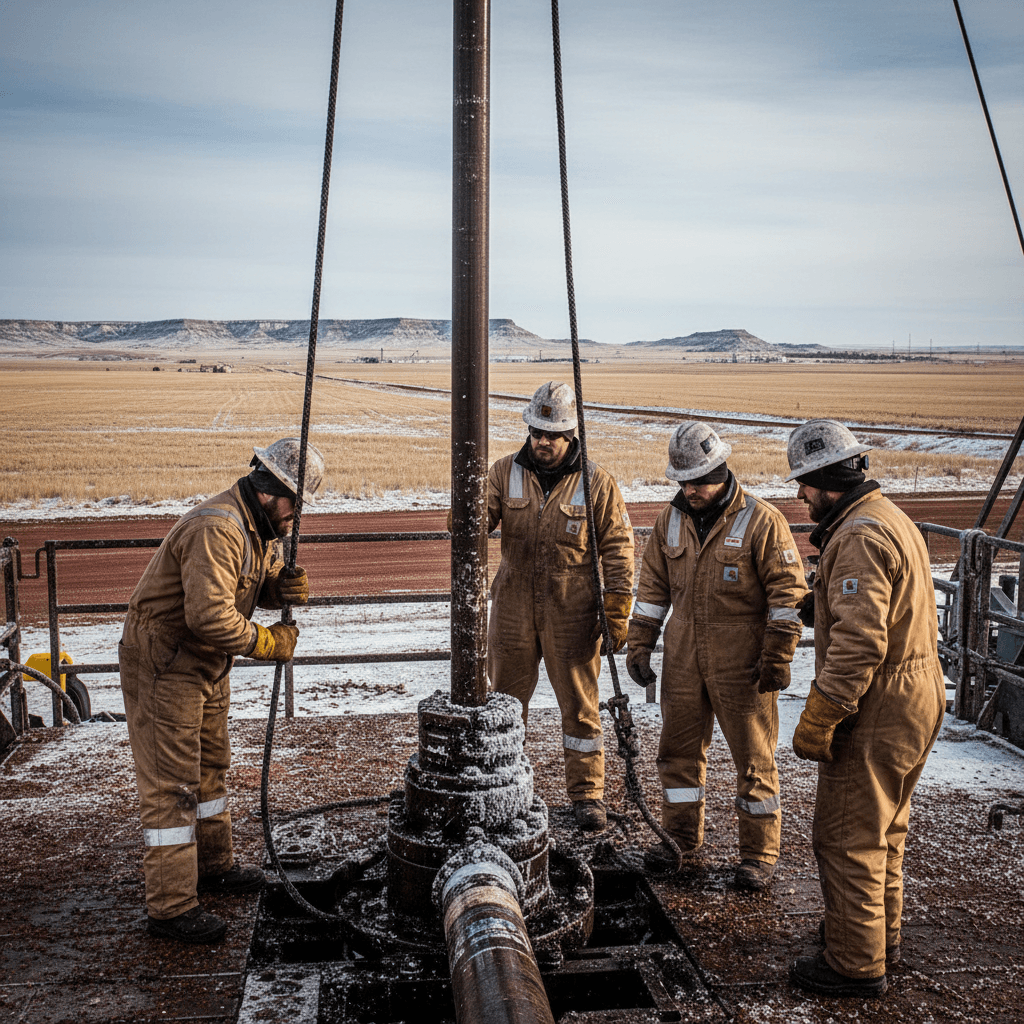
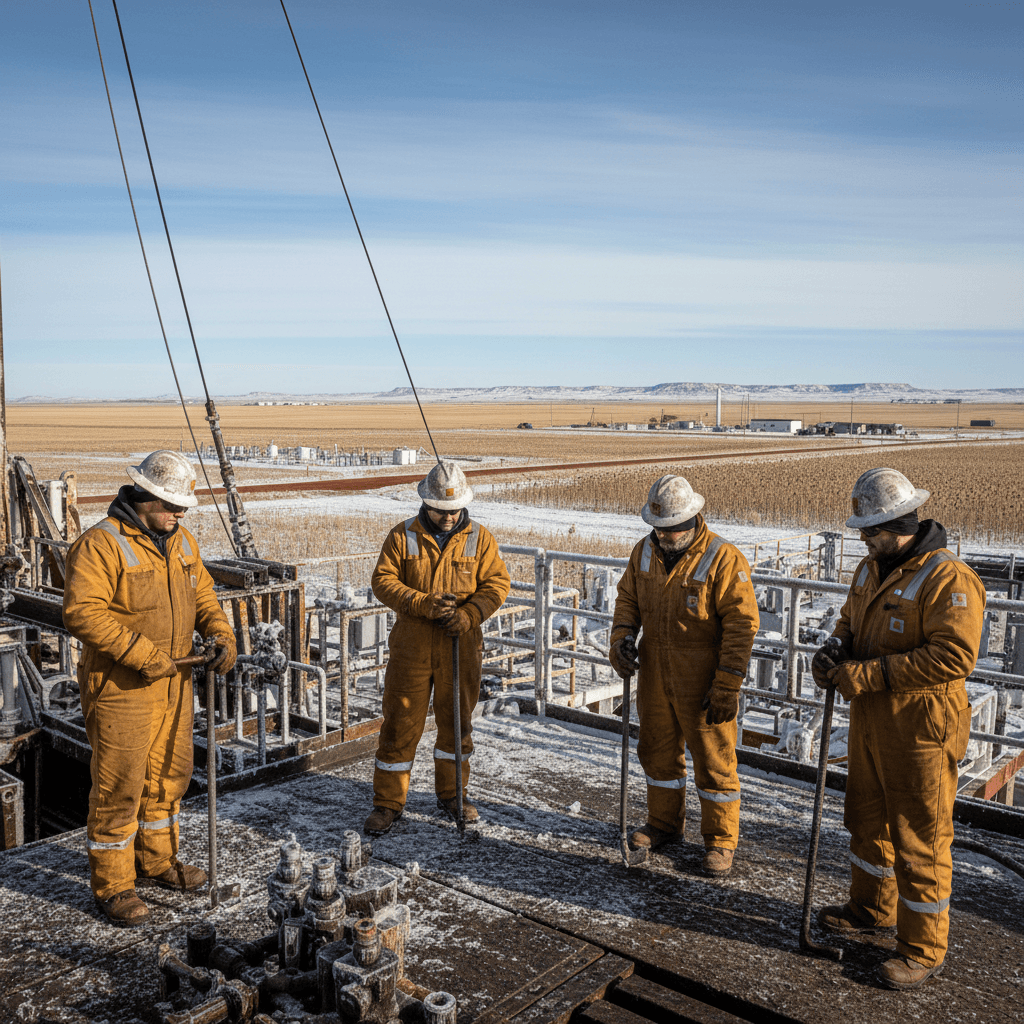
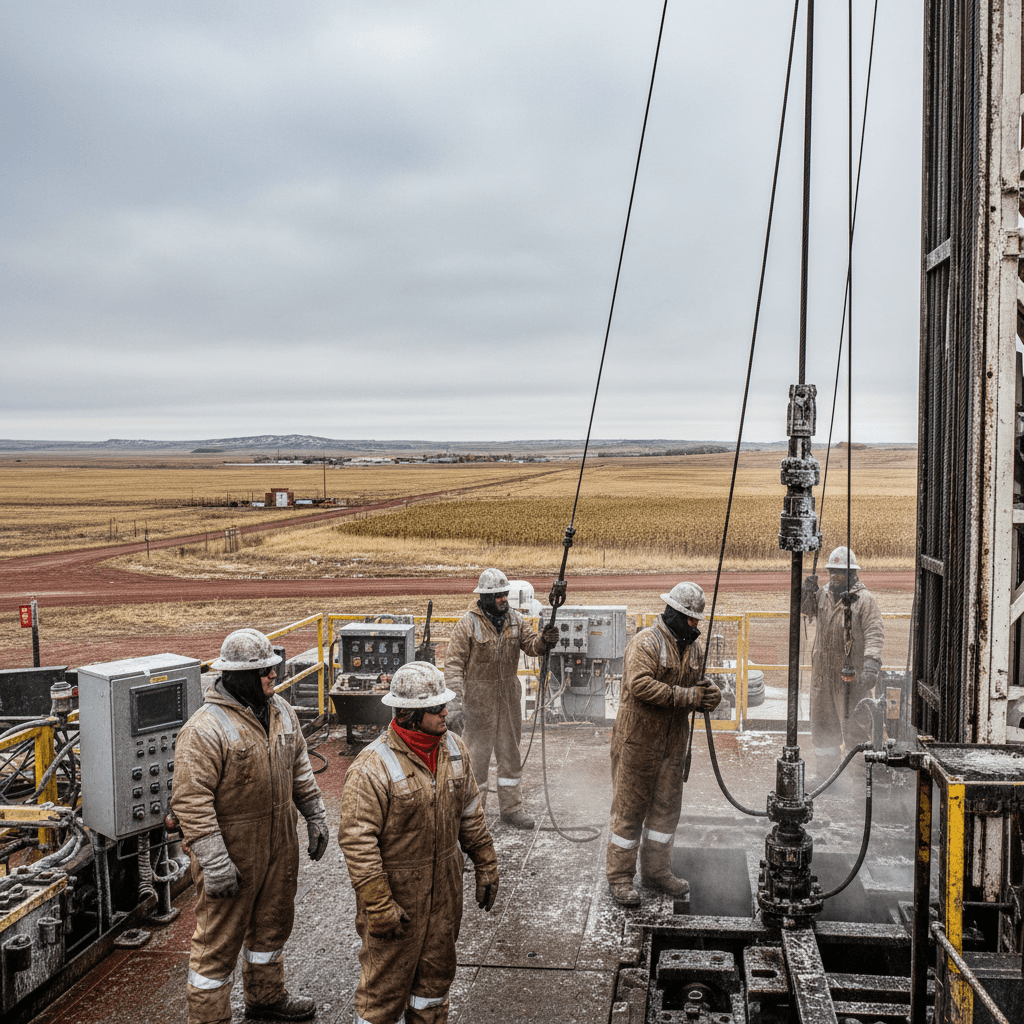
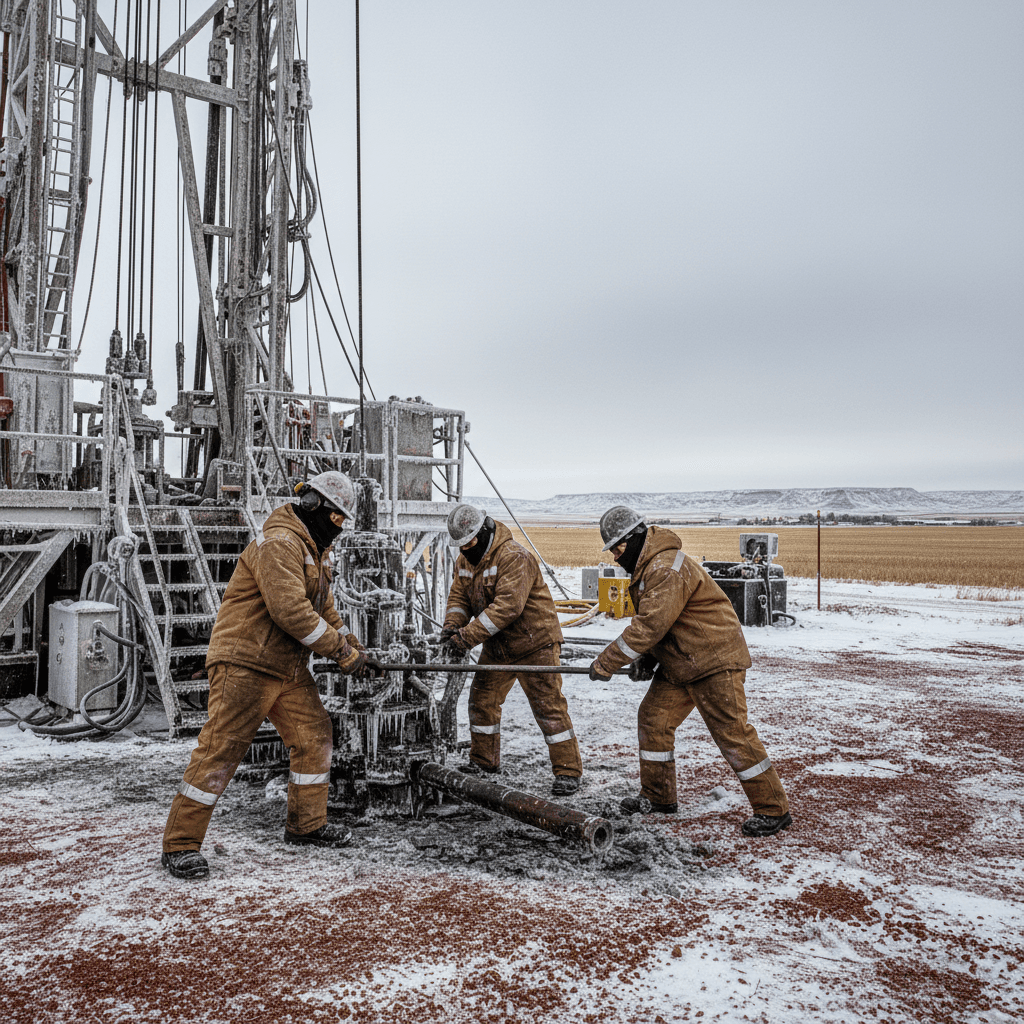
North Dakota's active drilling rig count held steady at 24 on Wednesday, a baseline of activity that continues to define the current scale of operations in the Bakken formation. The figure comes amid a sharp rally in oil markets, with West Texas Intermediate (WTI) crude surging $5.87 to settle at $85.13 per barrel, a gain of 7.41%.
The sustained rig count reflects a period of disciplined capital spending by operators, even as commodity prices provide a stronger revenue backdrop. Brent crude also saw a significant increase, rising $6.81 to $90.90 per barrel. The local Bakken crude price differential stood at a discount of $3.42 versus WTI.
Historically, rig count is a leading indicator for oilfield employment and service company demand in western North Dakota. The current level of two dozen active rigs supports a core workforce but is far below the boom-era peaks that strained regional housing and infrastructure. Community impacts—including housing vacancy rates, local tax revenues, and commercial activity—are closely tied to the pace of drilling and completion work.
With oil prices now above $85 per barrel, analysts watch for any potential upward pressure on drilling budgets and activity. However, any material increase in the rig count would likely take months to materialize and translate into broader economic effects. For now, communities like Williston, Dickinson, and Watford City are operating within a stable, lower-activity equilibrium compared to previous cycles.
The price of natural gas, another key Bakken product, was reported at $2.73 per MMBtu. While oil-directed drilling drives most Bakken activity, natural gas prices influence midstream and gas capture economics.
The current environment presents a balancing act for Bakken-dependent counties. Higher oil prices improve state tax revenues and operator cash flows, which can fund local projects and stabilize royalty owner incomes. Yet, the modest rig count suggests a cautious approach to hiring and expansion, limiting near-term pressures on housing and municipal services that characterized past booms.
Source
Bakken Wire Live Data as of Wednesday, July 29, 2026.