Bakken Rig Count Holds at 25 Amid Midday Price Slide
Stable drilling activity suggests measured workforce demand as crude prices retreat from morning highs.
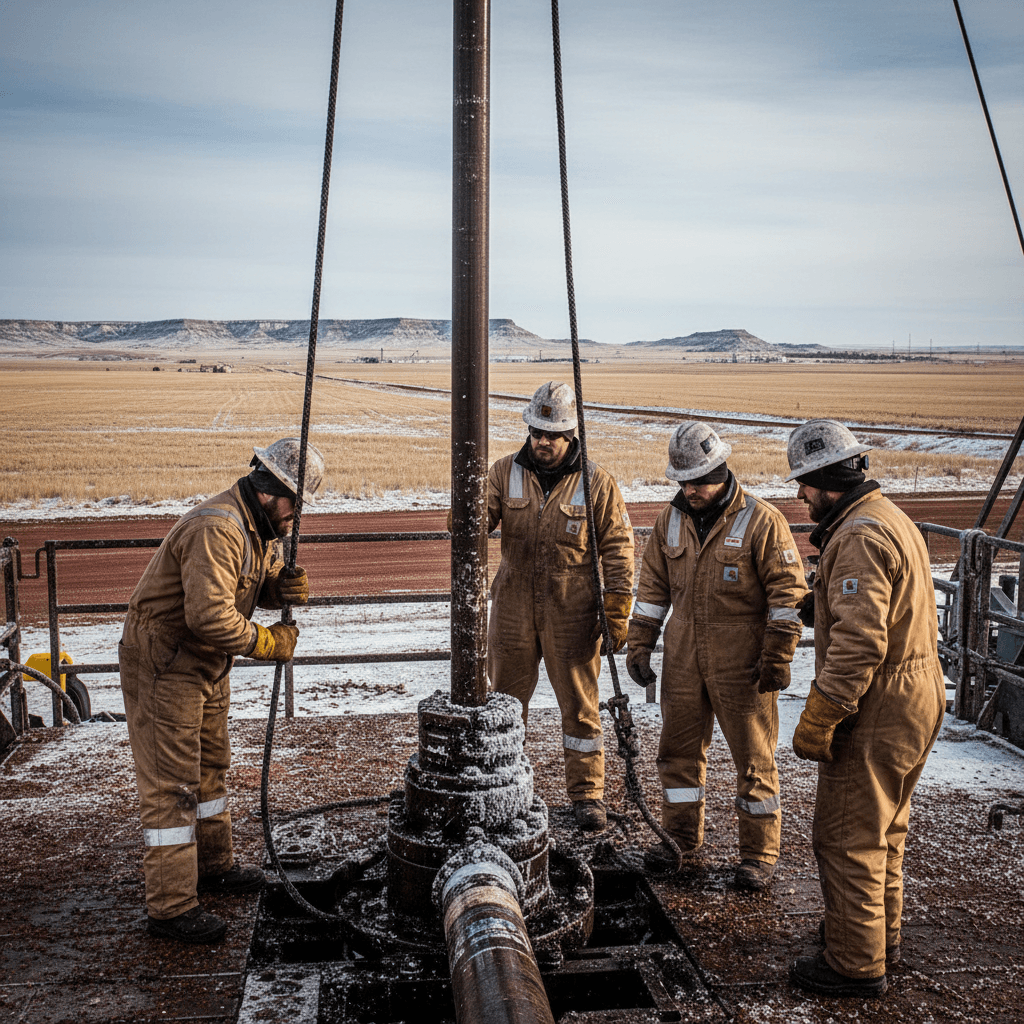
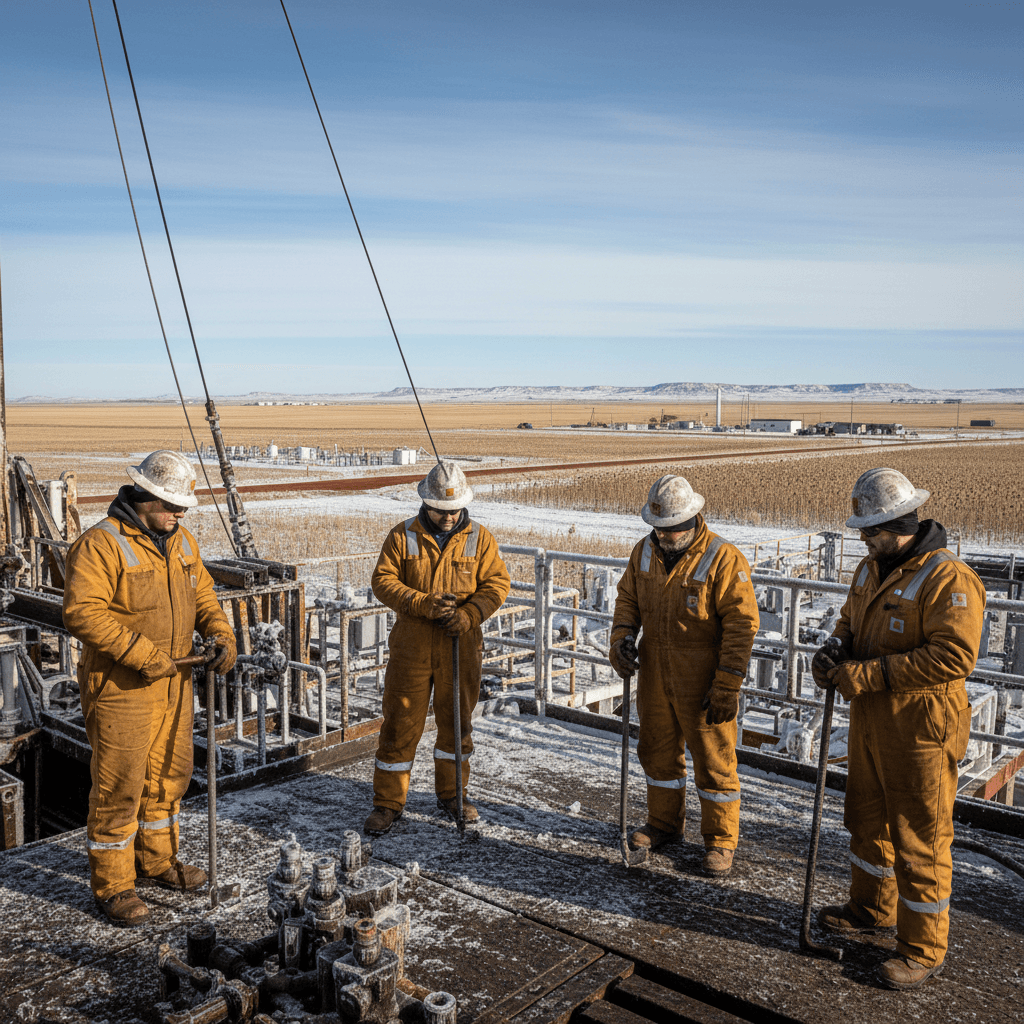
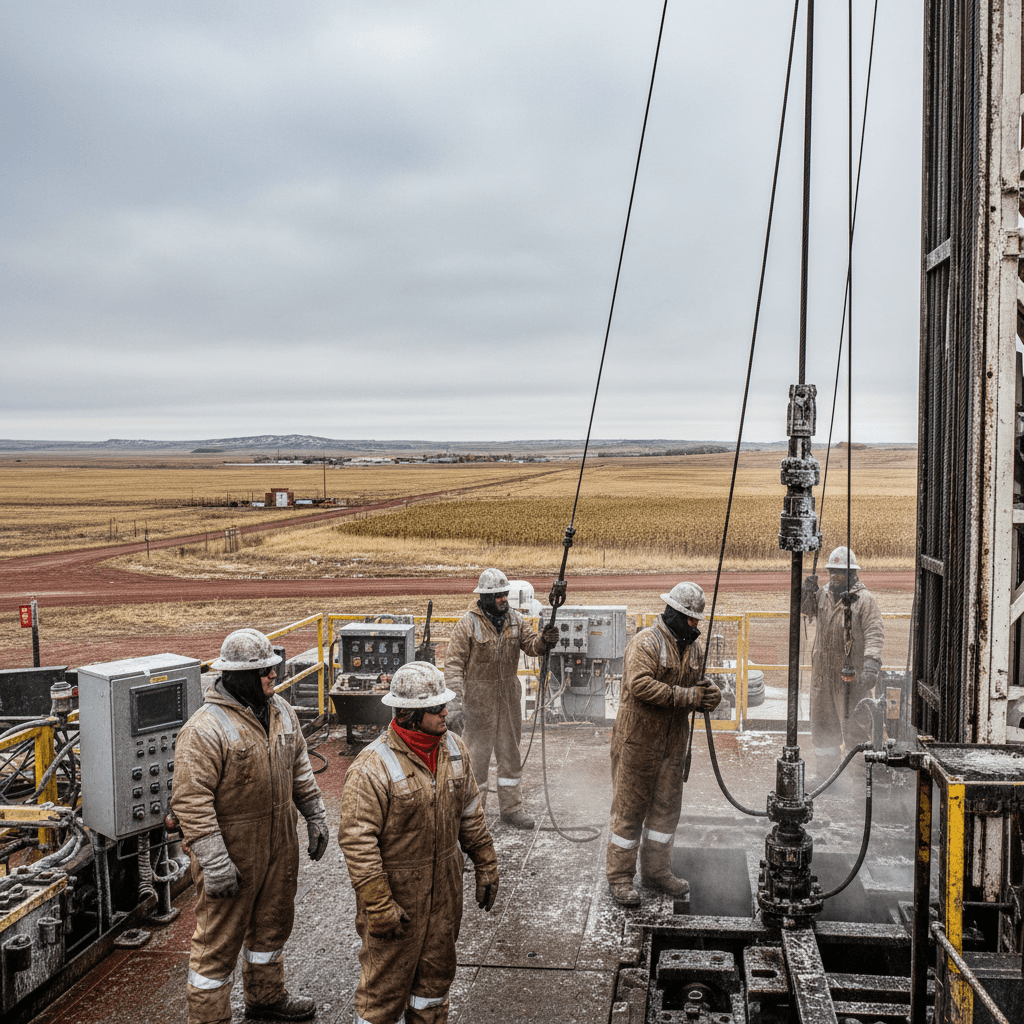
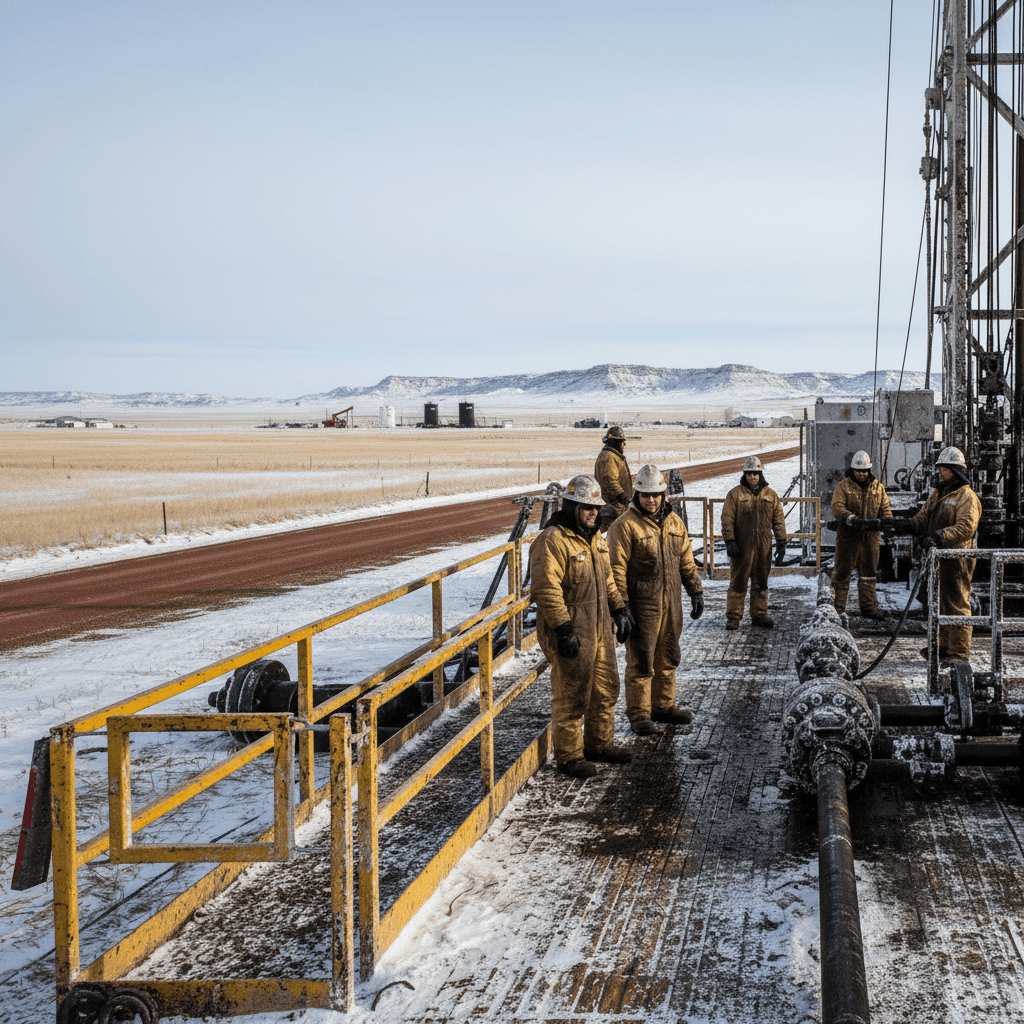
The active rig count in North Dakota held steady at 25 on Wednesday, a key indicator of sustained but muted drilling activity in the Bakken formation. This stability comes alongside a midday retreat in oil prices, with West Texas Intermediate (WTI) crude trading at $68.06 per barrel, down $1.44 for the day.
The current rig level, a fraction of the historic peaks seen during the previous boom cycles, points to a controlled pace of operations that shapes workforce and community dynamics across western North Dakota. Employment in oilfield services, trucking, and related support industries typically correlates closely with the number of rigs actively drilling new wells.
For local communities, a stable rig count near current levels suggests a steady demand for housing and services without the intense strain experienced during rapid expansion periods. Housing markets in cities like Williston, Dickinson, and Watford City are likely experiencing equilibrium, avoiding the severe shortages and price spikes of the past while still benefiting from a core industrial workforce.
The midday price drop, with Brent crude also falling to $71.10, introduces a note of caution. Sustained lower prices can pressure operator cash flows, potentially impacting future drilling plans and the hiring needed to support them. The Bakken crude differential—the discount at which local crude trades against WTI—was recorded at -$3.42, affecting the realized price for local producers.
General industry context underscores that the rig count is a leading indicator for regional economic health. More rigs translate to more jobs, increased hotel occupancy, higher retail sales, and greater tax revenue for local governments. Conversely, a sharp drop in activity can lead to workforce reductions and a softening in the local economy.
The current environment of moderate activity allows communities to plan infrastructure and services with more predictability than during volatile boom-and-bust cycles. The focus for many local leaders remains on diversifying economic foundations while supporting the essential oil and gas industry that drives a significant portion of regional employment and state tax revenue.
Source
Bakken Wire Live Data as of July 1, 2026