Bakken Rig Count Holds at 25 Amid Oil Price Retreat
Workforce and community stability tested as crude prices drop sharply, but current activity level suggests measured impact.
The number of active drilling rigs in North Dakota held steady at 25 on Friday, July 24, 2026, providing a key indicator of operational activity as crude oil prices experienced a significant sell-off. The West Texas Intermediate (WTI) benchmark was trading at $88.40 per barrel, down $3.79 or 4.11% for the day, according to live Bakken data. The Brent crude price also fell sharply to $96.05.
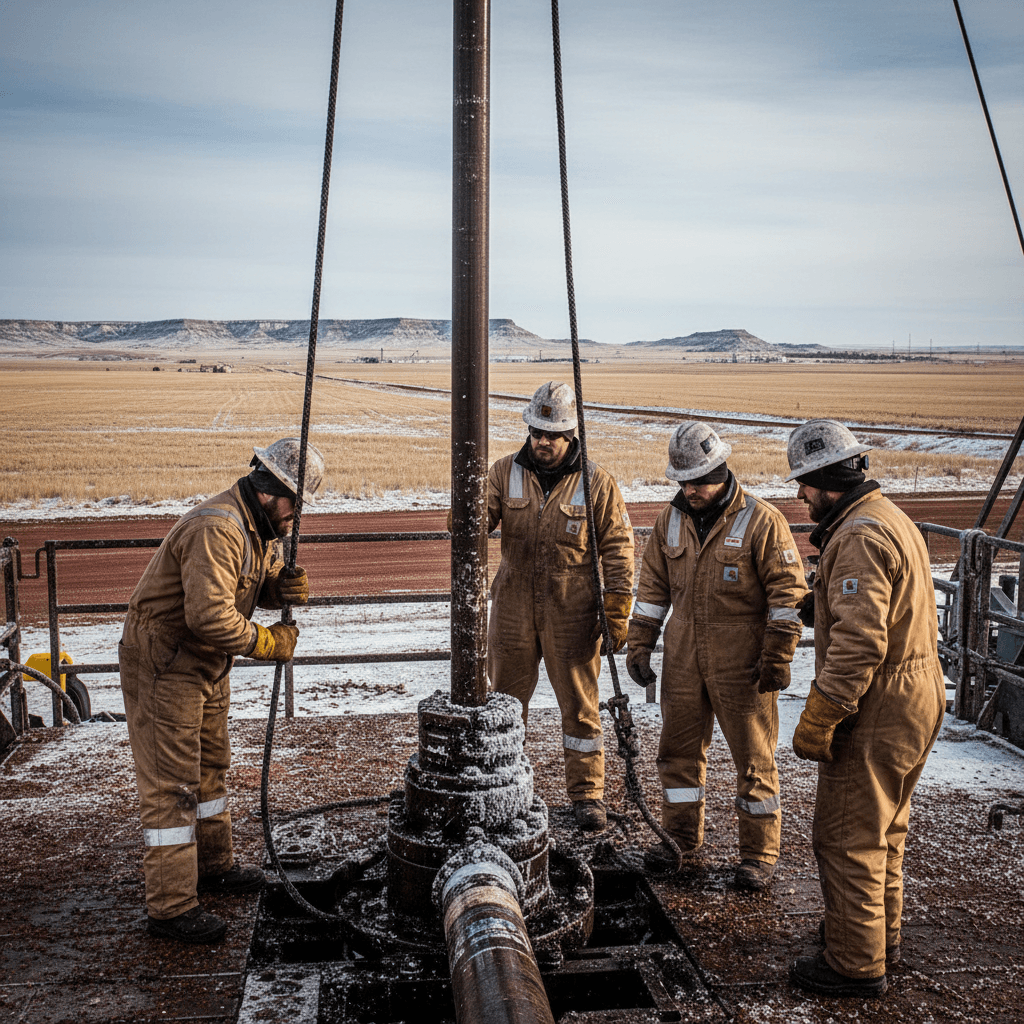
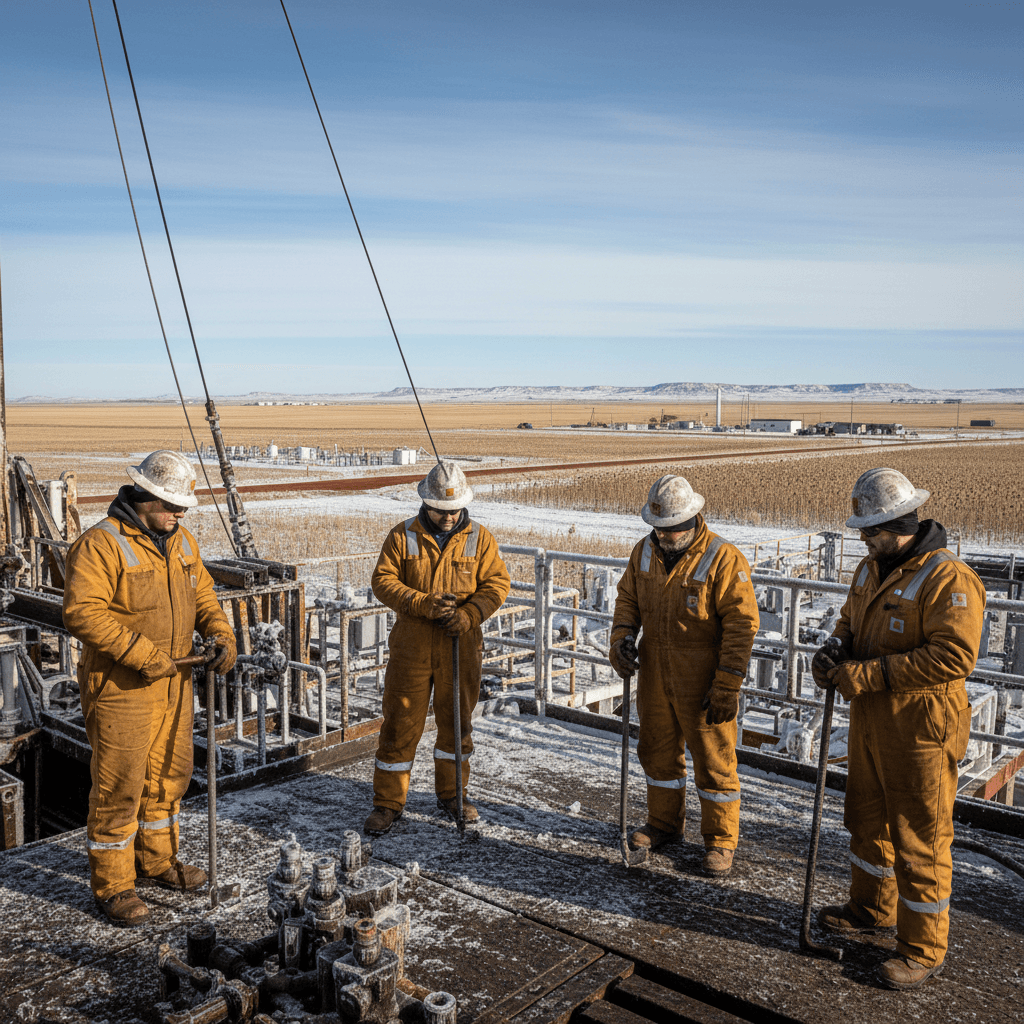
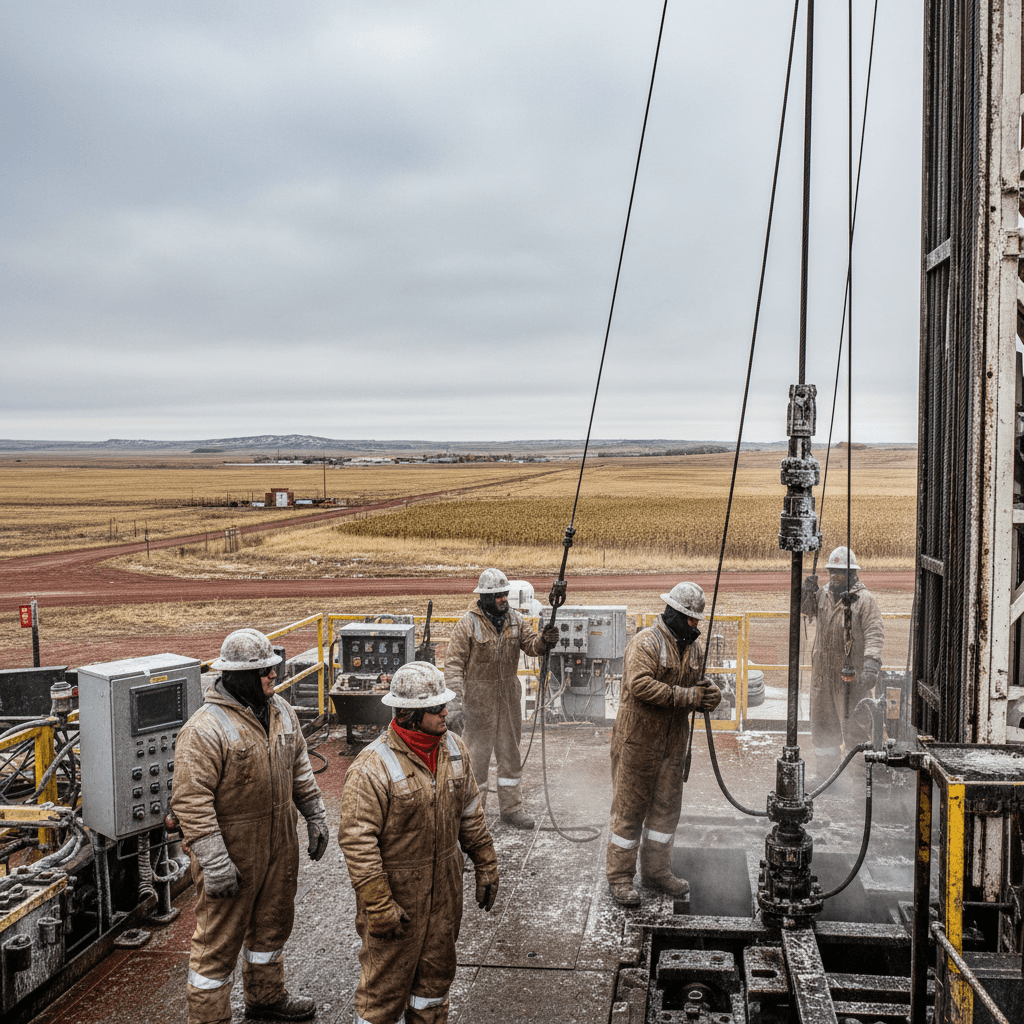
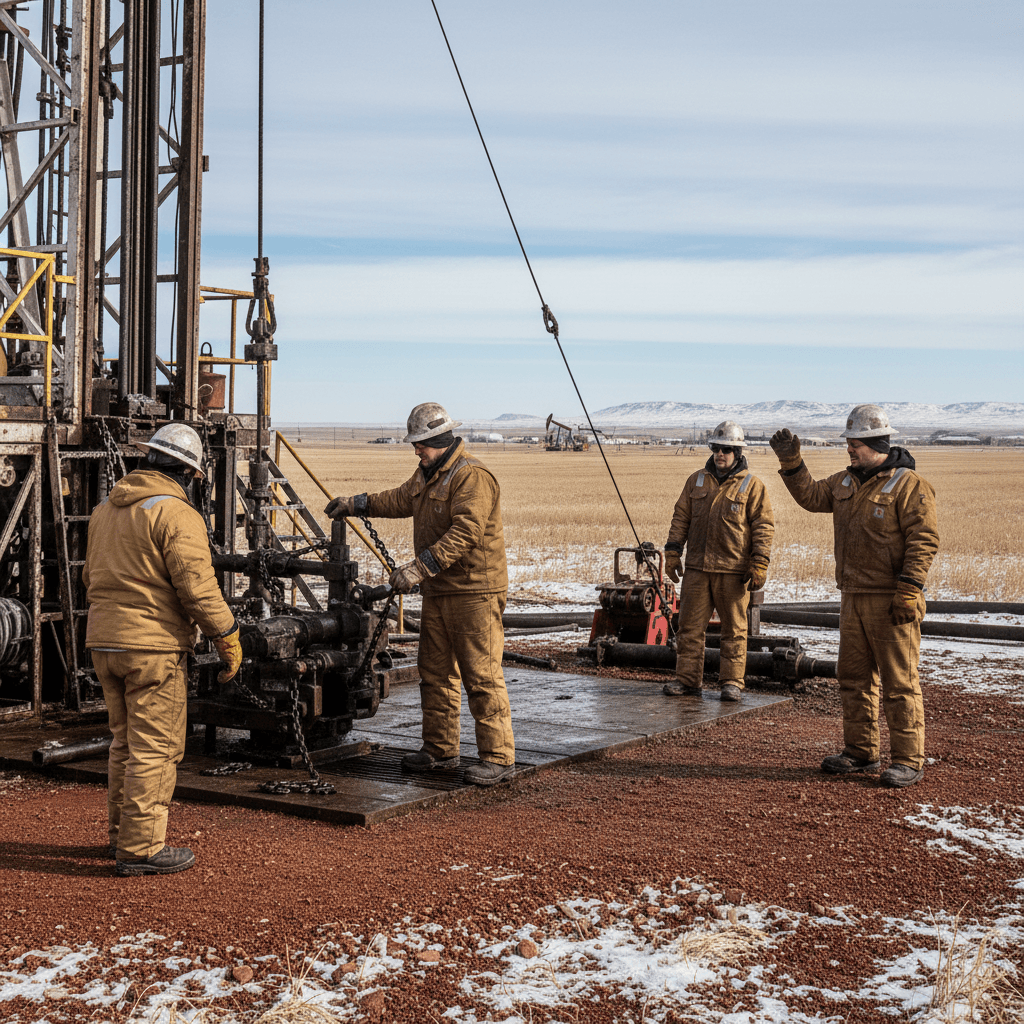
The stable rig count, a primary driver of direct oilfield employment, suggests a near-term floor for workforce demand in the region. Historically, the number of active rigs correlates closely with hiring for drilling, completions, and related well services. A count in the mid-20s represents a fraction of the boom-era activity but supports a core level of jobs essential for maintaining production from the Bakken formation.
The sharp drop in oil prices, however, introduces uncertainty for future hiring and capital spending plans by operators. The Bakken differential—the discount for Bakken crude compared to WTI—was reported at -$3.42, which determines the actual price received by North Dakota producers. Sustained lower prices could pressure operators to slow development, which would eventually affect the rig count and, consequently, employment levels.
For Bakken communities, the current environment represents a period of cautious stability. Local economies in western North Dakota, including those in Williams, McKenzie, and Mountrail counties, remain heavily influenced by the pace of oil and gas activity. A steady rig count helps stabilize demand for housing, retail, and services, avoiding the severe boom-bust cycles seen in the past. The current natural gas price of $2.94 per MMBtu offers limited incentive for significant associated gas projects but contributes to overall well economics.
The relationship between rig activity, prices, and community impact is direct. Higher, stable prices typically lead to increased drilling, more jobs, and rising demand for local goods and housing. Conversely, price volatility or sustained declines can lead to reduced activity, outmigration, and softening in local real estate and retail sectors. The current data point to a holding pattern, with the existing workforce supporting ongoing production but with new investment decisions likely sensitive to the direction of crude markets in the coming weeks.
Source
Live Bakken Data as of Friday, July 24, 2026.