Bakken Rig Count Holds at 25 Amid Sub-$70 Oil Pressure
Stable but historically low drilling activity suggests a continued tempered impact on regional workforce and communities.
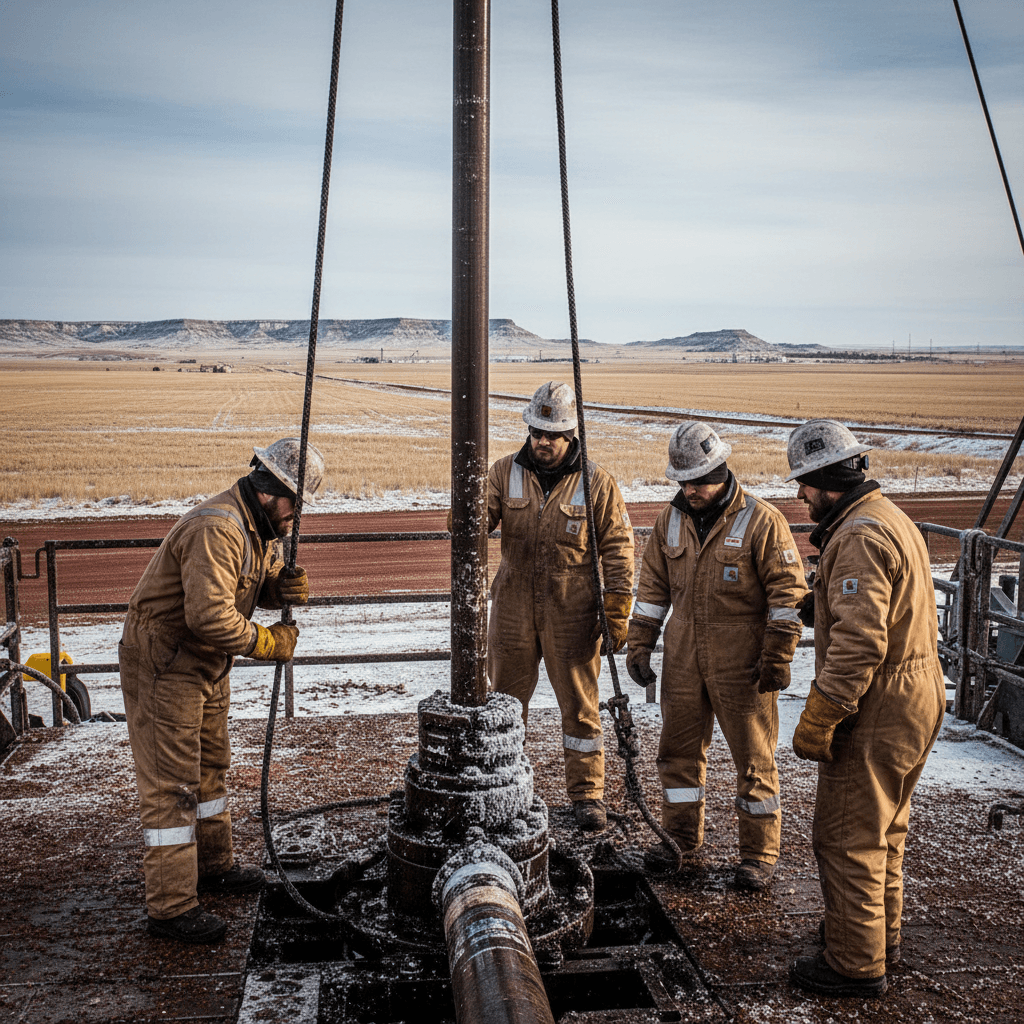
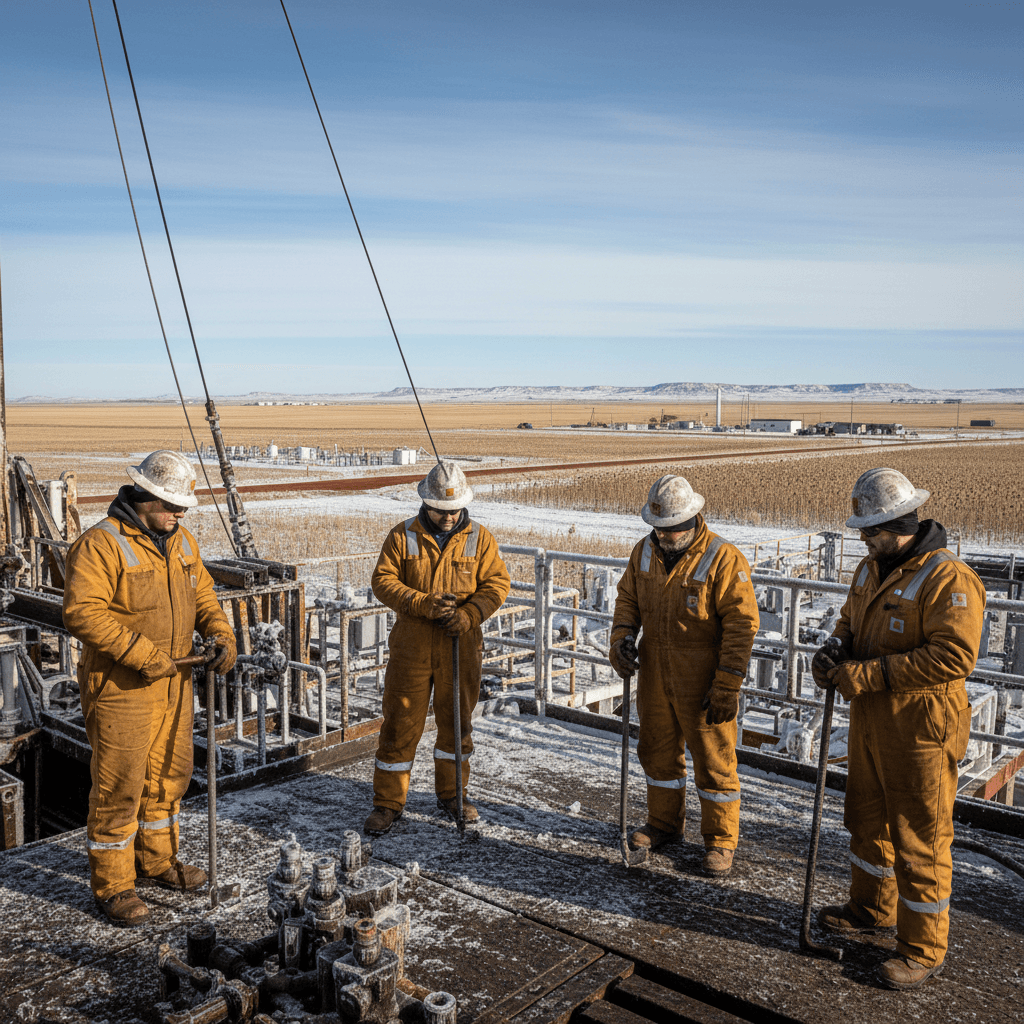
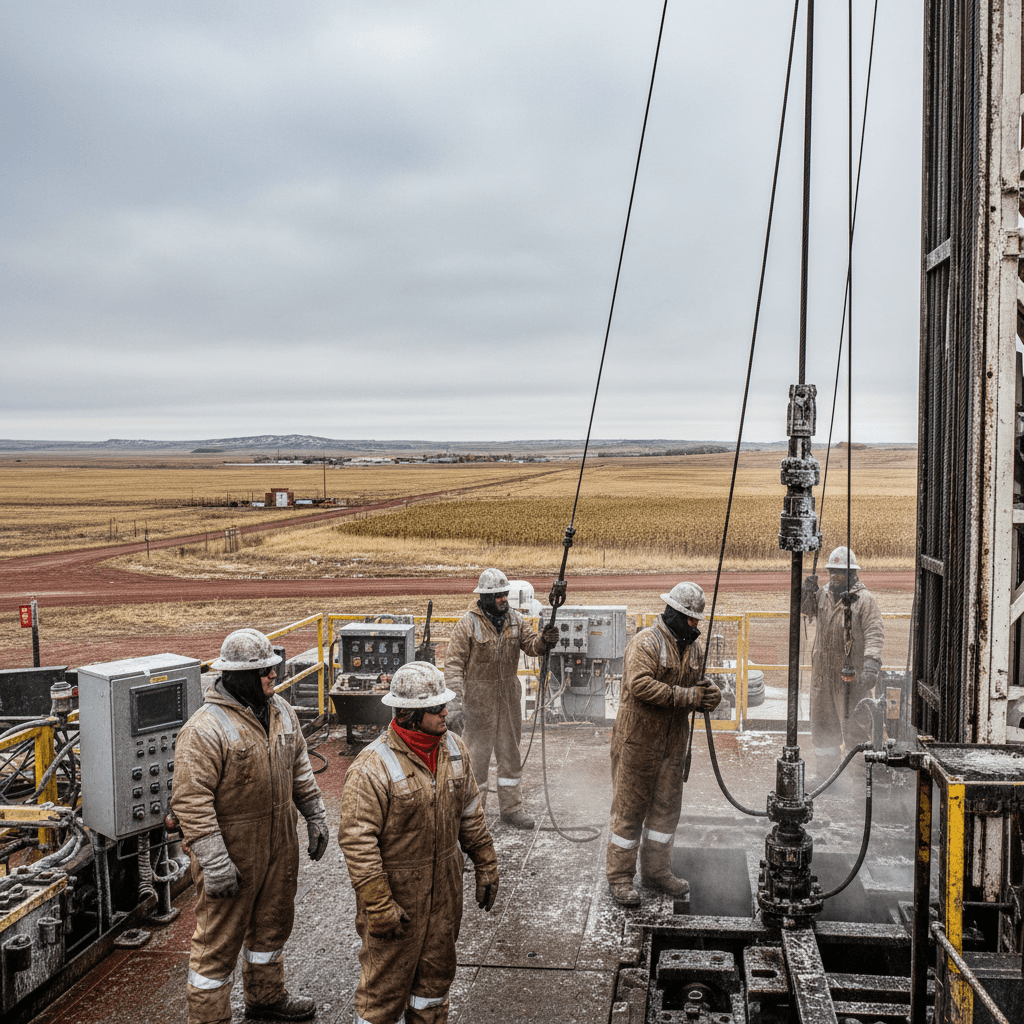
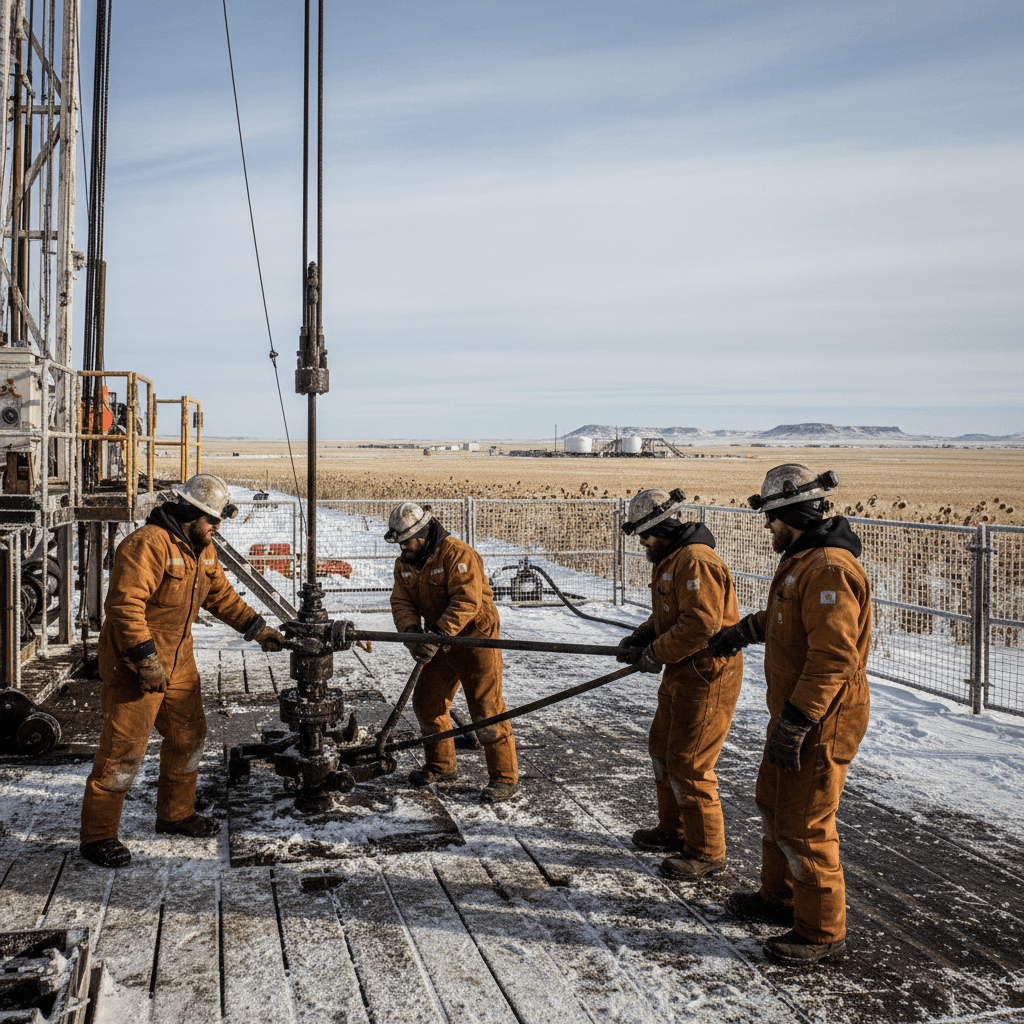
The number of active drilling rigs in North Dakota remained unchanged at 25 this week, according to live Bakken Wire data. This count, paired with West Texas Intermediate crude trading at $70.05 per barrel, indicates a sustained period of moderated oilfield activity in the Bakken formation.
A rig count in the mid-20s represents a fraction of the peak Bakken boom years, when more than 200 rigs were operational. This level of drilling typically correlates with stable but reduced direct oilfield employment compared to high-growth periods. The current price environment, with WTI down nearly 1% on the day and the Bakken crude differential at a discount of $3.42 per barrel, provides limited economic incentive for operators to significantly accelerate drilling programs.
The relationship between rig count, oil prices, and community impact in western North Dakota is well-established. Higher rig counts drive demand for a wide range of oilfield services, from drilling and fracking crews to transportation and logistics, directly affecting employment levels in counties like McKenzie, Williams, and Mountrail. The current plateau suggests the region is not experiencing a major wave of new hiring or layoffs, but rather a steady state.
This stability has downstream effects on local economies and housing. During boom cycles, rapid workforce influxes strain housing, infrastructure, and services, leading to skyrocketing rents and home prices. A consistent, lower rig count alleviates these acute pressures, allowing housing inventory to recover and community services to adapt to a more predictable population base. However, it also means less of the high-wage-driven economic stimulus that characterizes peak oil periods.
The natural gas price, recorded at $3.26 per MMBtu, remains a secondary factor for the primarily oil-focused Bakken, though it influences the economics of gas capture and related midstream operations.
For Bakken communities, the current data suggests a continuation of the post-boom normalization. Municipal budgets reliant on oil tax revenue benefit from stability but not windfalls, while local businesses serve a workforce that is substantial but not expanding rapidly. The outlook remains tightly tethered to commodity prices, with any sustained move above $80 WTI potentially incentivizing more rigs and a different dynamic for the region's workforce and growth.
Source
Live Bakken Wire data for June 30,174, 2026.