Bakken Rig Count Holds at 25 as Oil Prices Retreat from Highs
Stable but modest activity level suggests continued measured pressure on workforce and housing in region's oil communities.
The number of active drilling rigs in North Dakota held steady at 25 on Monday, as benchmark oil prices saw a slight pullback, according to live Bakken market data. West Texas Intermediate (WTI) crude traded at $81.33 per barrel, down 55 cents for the day.
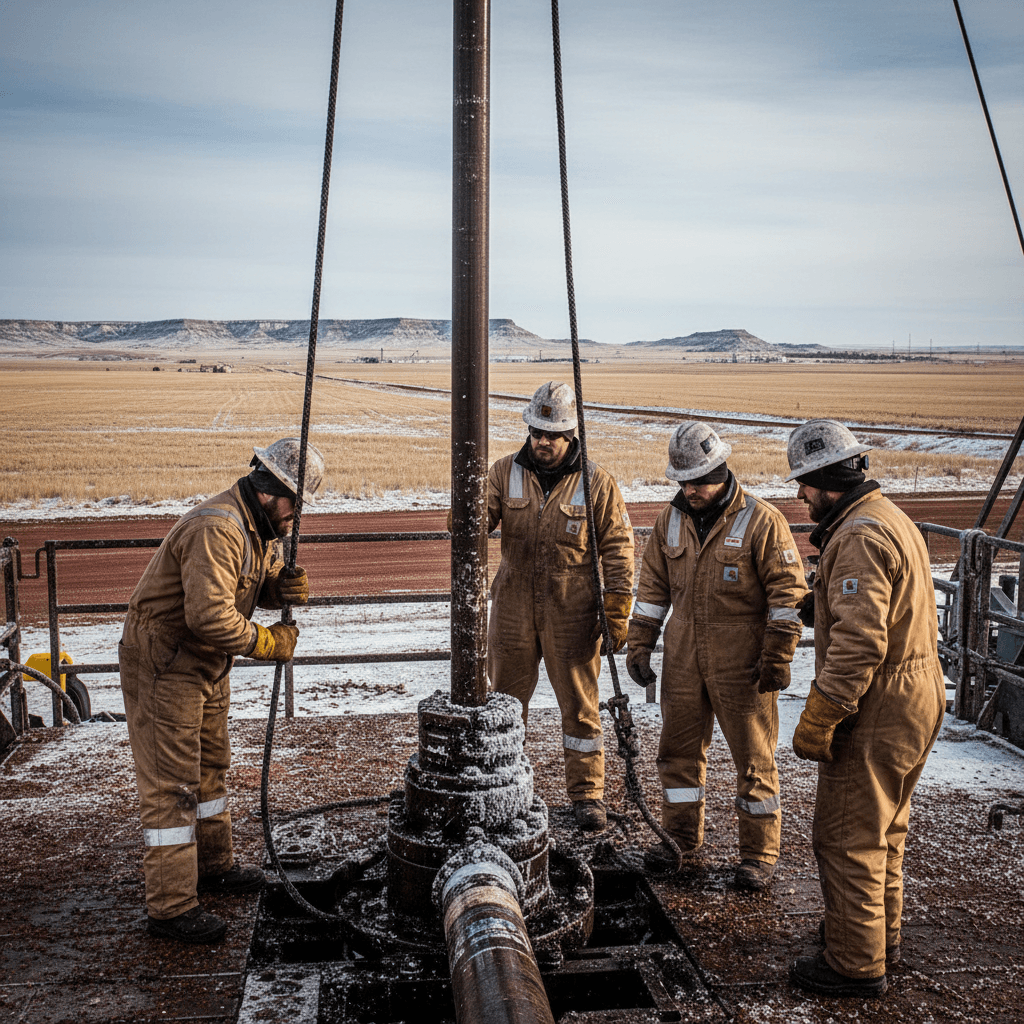
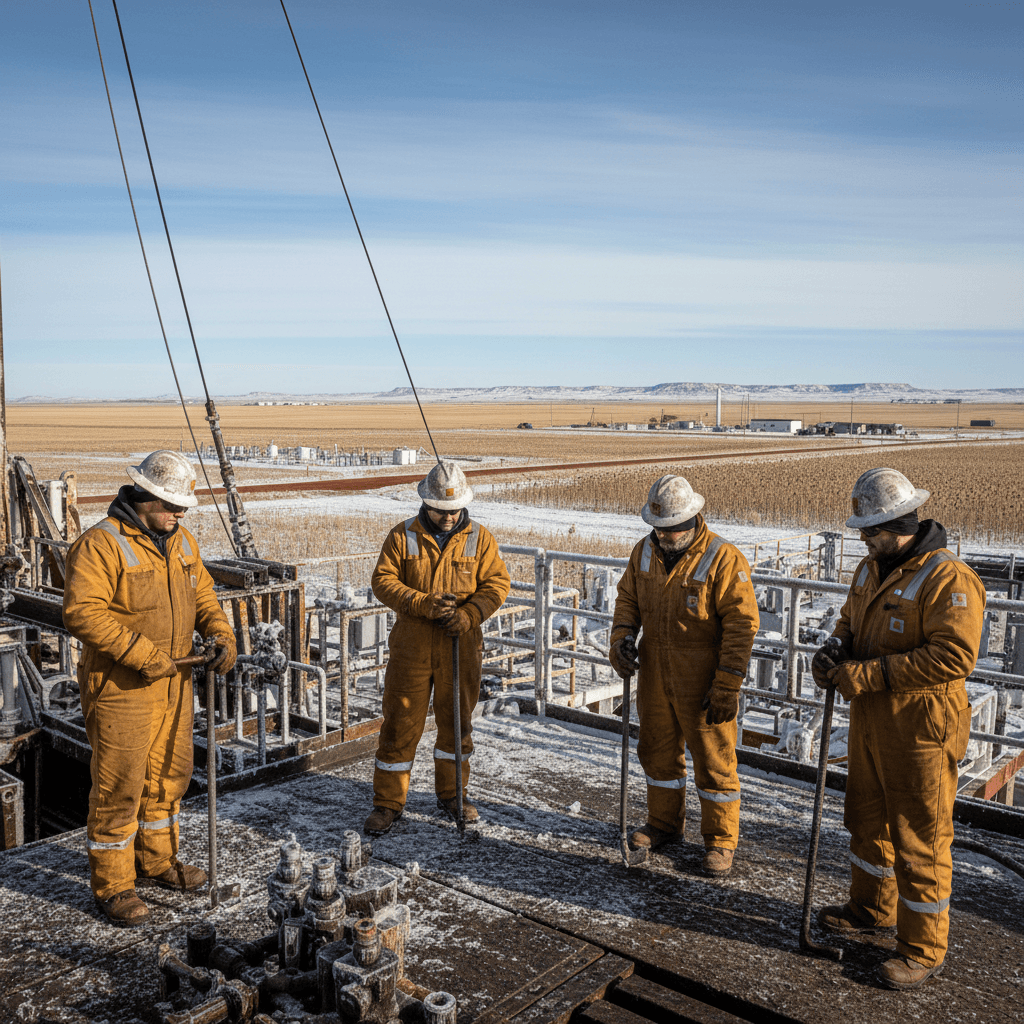
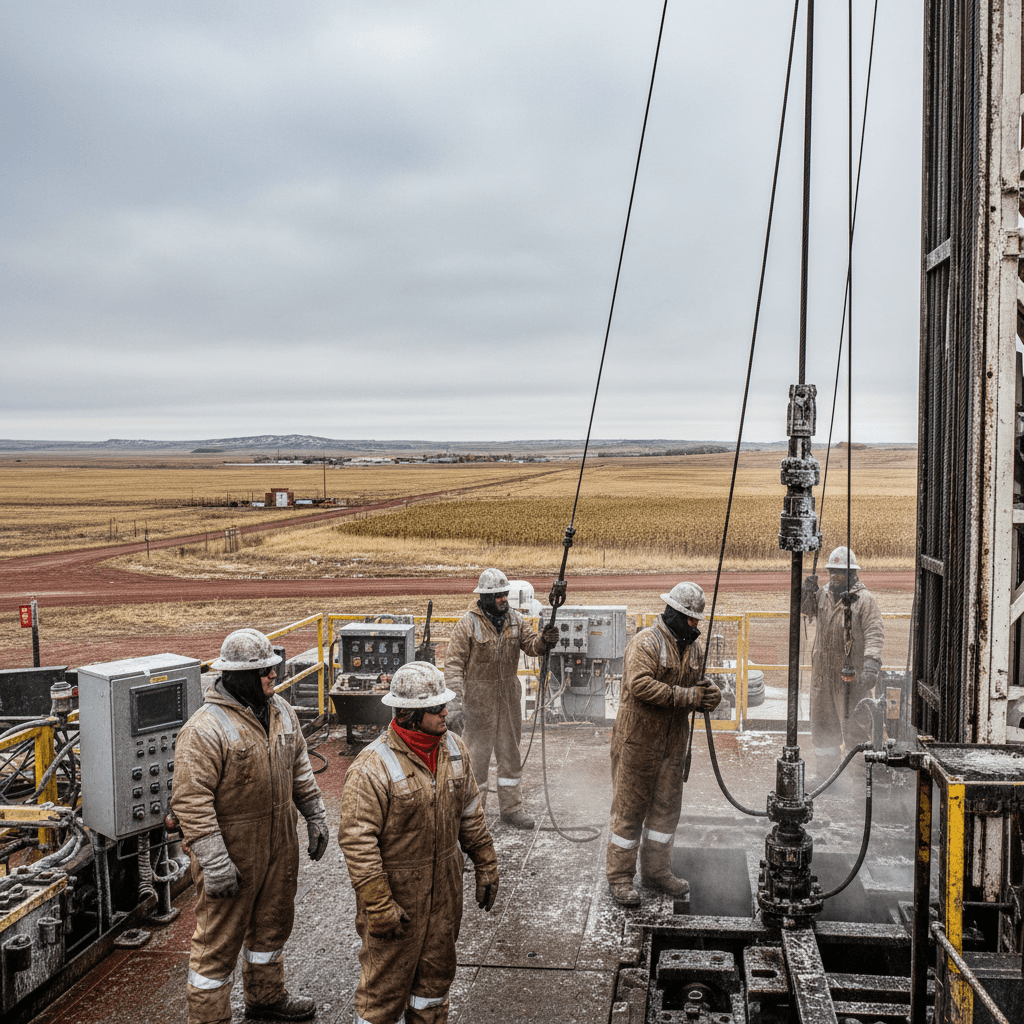
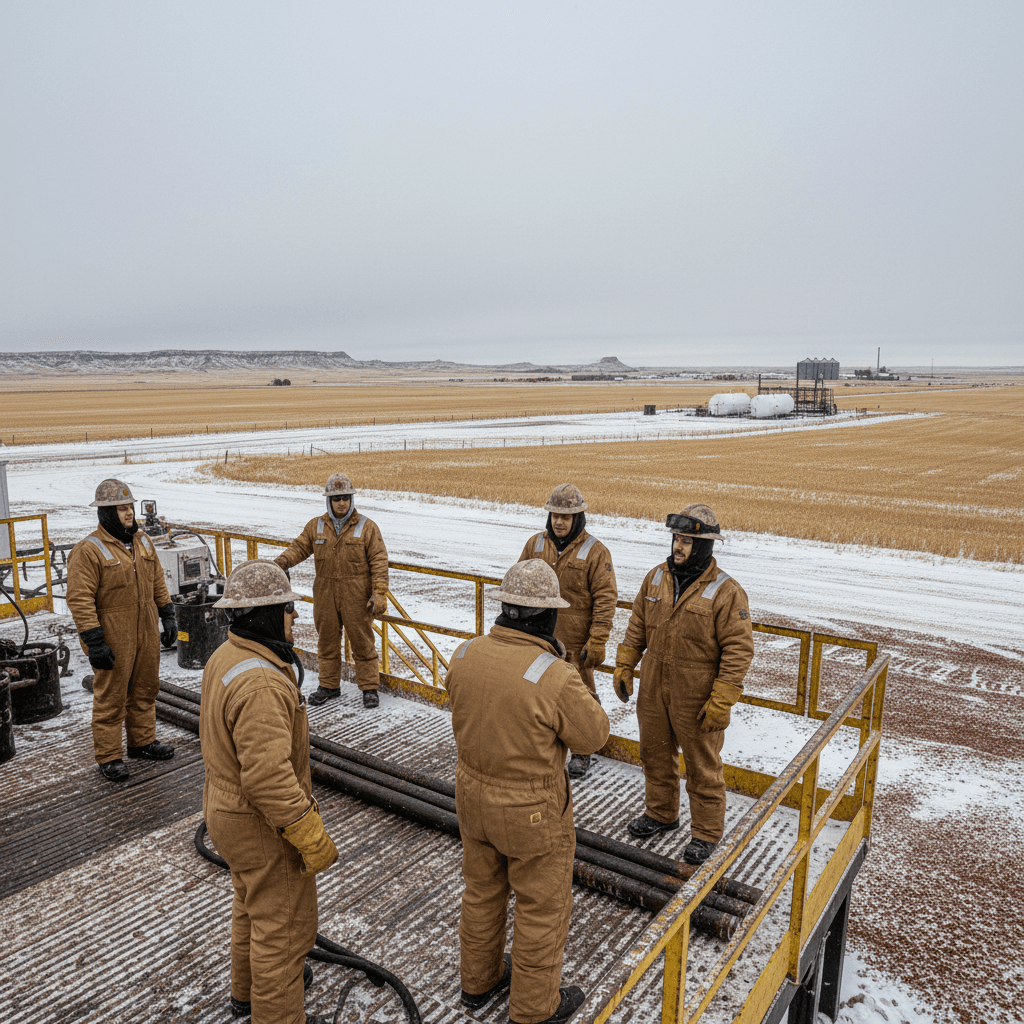
The current rig count, a key indicator of oilfield employment and service company demand, remains significantly below the boom-era peaks but represents a baseline of sustained activity. Industry analysts typically correlate rig levels with direct and indirect jobs, with each active rig supporting a wide range of positions from drill crews to truck drivers and support services.
For communities across the Bakken formation, this stability at a moderate level suggests a continuation of current economic conditions. Housing markets, which experienced extreme volatility during previous boom-and-bust cycles, are likely under less acute pressure than a decade ago but remain sensitive to any sustained increase in activity.
The Bakken crude price differential, a critical metric for local producer revenue, was recorded at a discount of $3.42 per barrel below the WTI benchmark. This netback price directly influences operator cash flow and capital spending decisions for new drilling, which in turn drives hiring.
Global benchmark Brent crude was priced at $87.90, while natural gas traded at $2.84 per MMBtu. The lower natural gas price continues to disincentivize significant investment in gas-directed drilling in the region.
Historically, periods with rig counts in the mid-20s, supported by oil prices above $80, have allowed for a steady operational tempo. This environment supports core workforce retention but generates less of the rapid, large-scale in-migration that strains community infrastructure, schools, and housing availability seen during high-activity phases.
The long-term relationship between rig activity and community impact in western North Dakota is well-established. Sustained higher counts lead to increased demand for all services, rising wages, and lower local unemployment, but can also challenge municipal budgets and housing stock. The current data indicates a period of equilibrium, providing relative predictability for local governments and businesses planning for the remainder of the year.
Source
Live Bakken Data for July 20, 2026