Bakken Rig Count Holds at 26 Amid Sharp Oil Price Decline
Sustained low activity level suggests stable but muted workforce demand in western North Dakota communities.
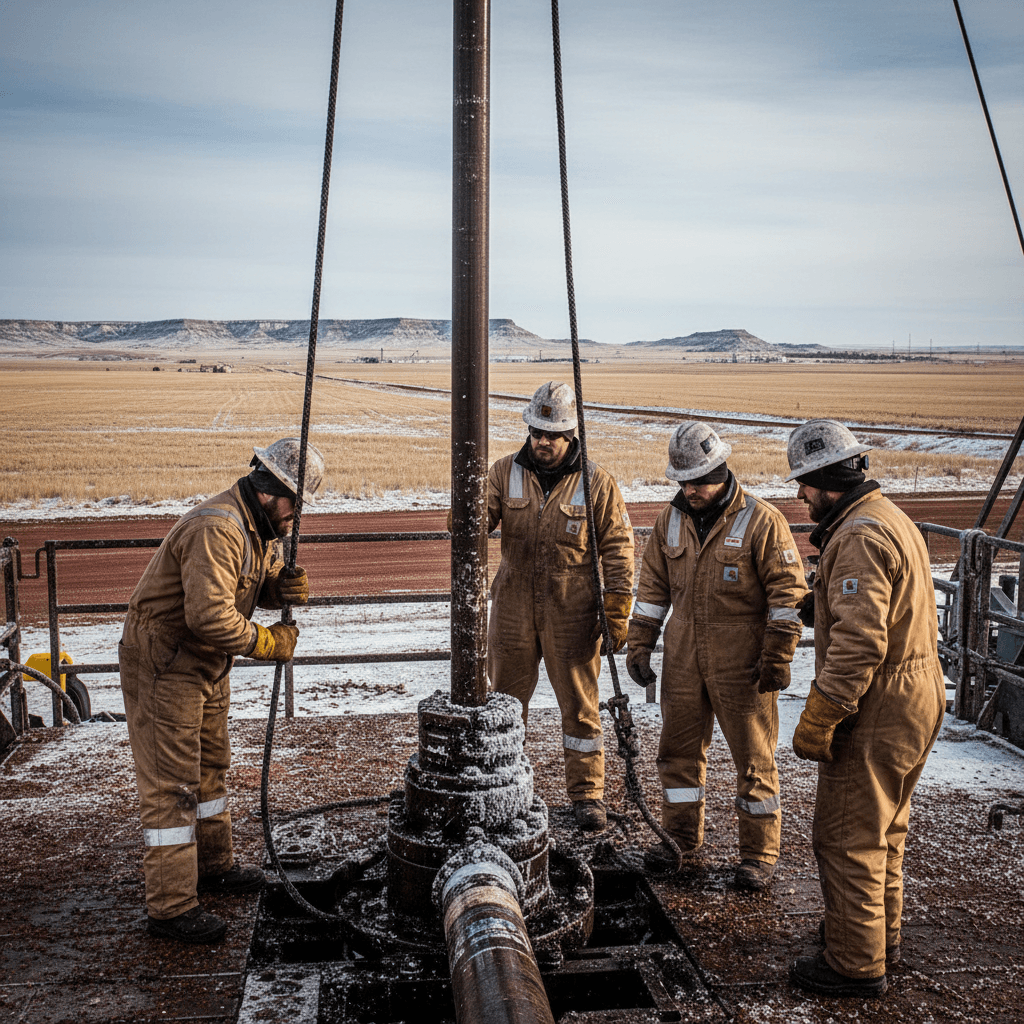
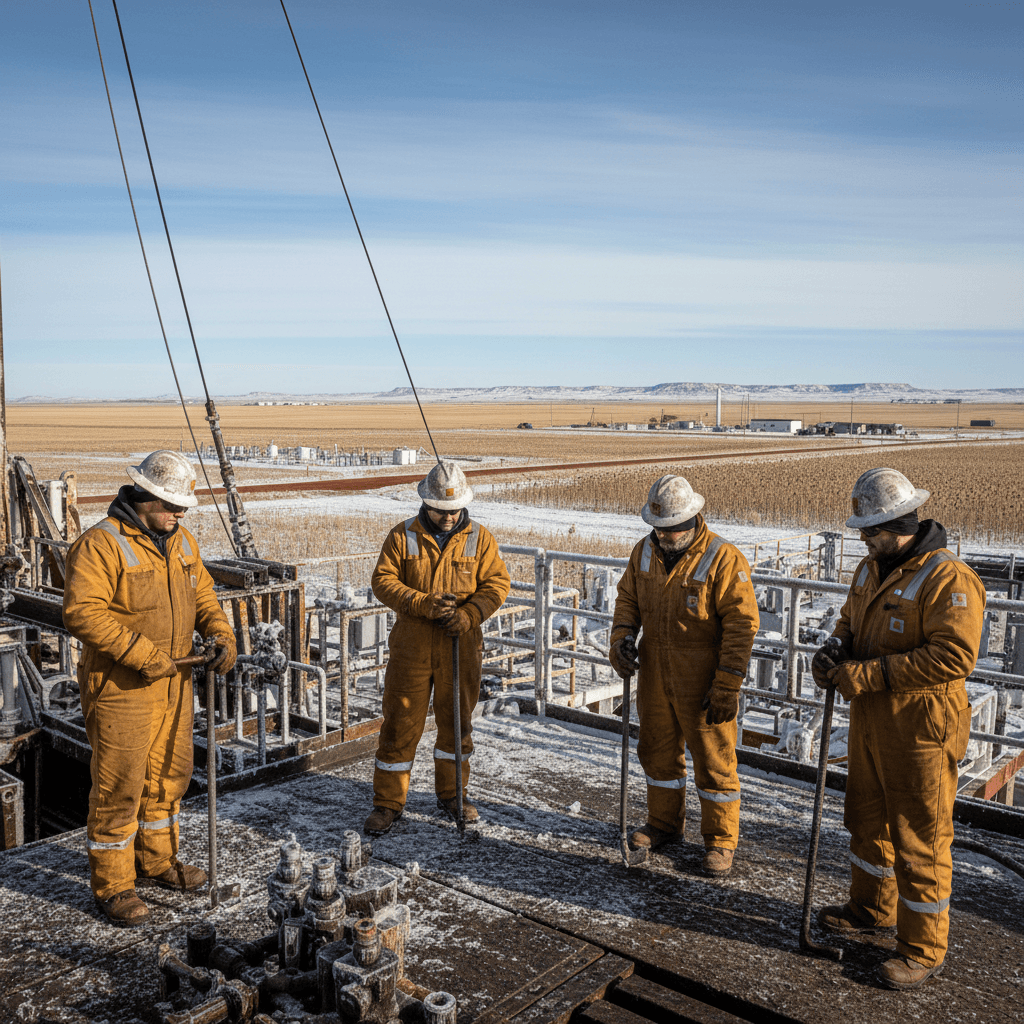
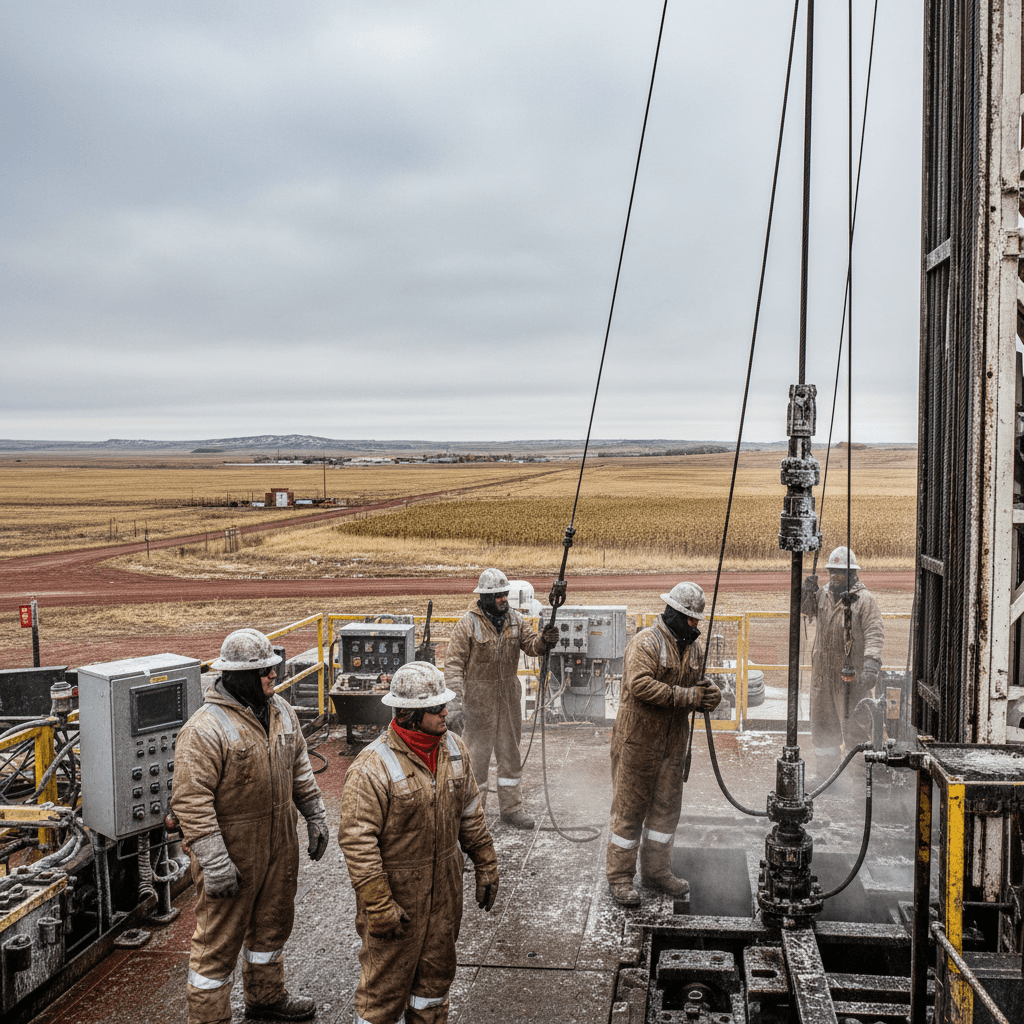
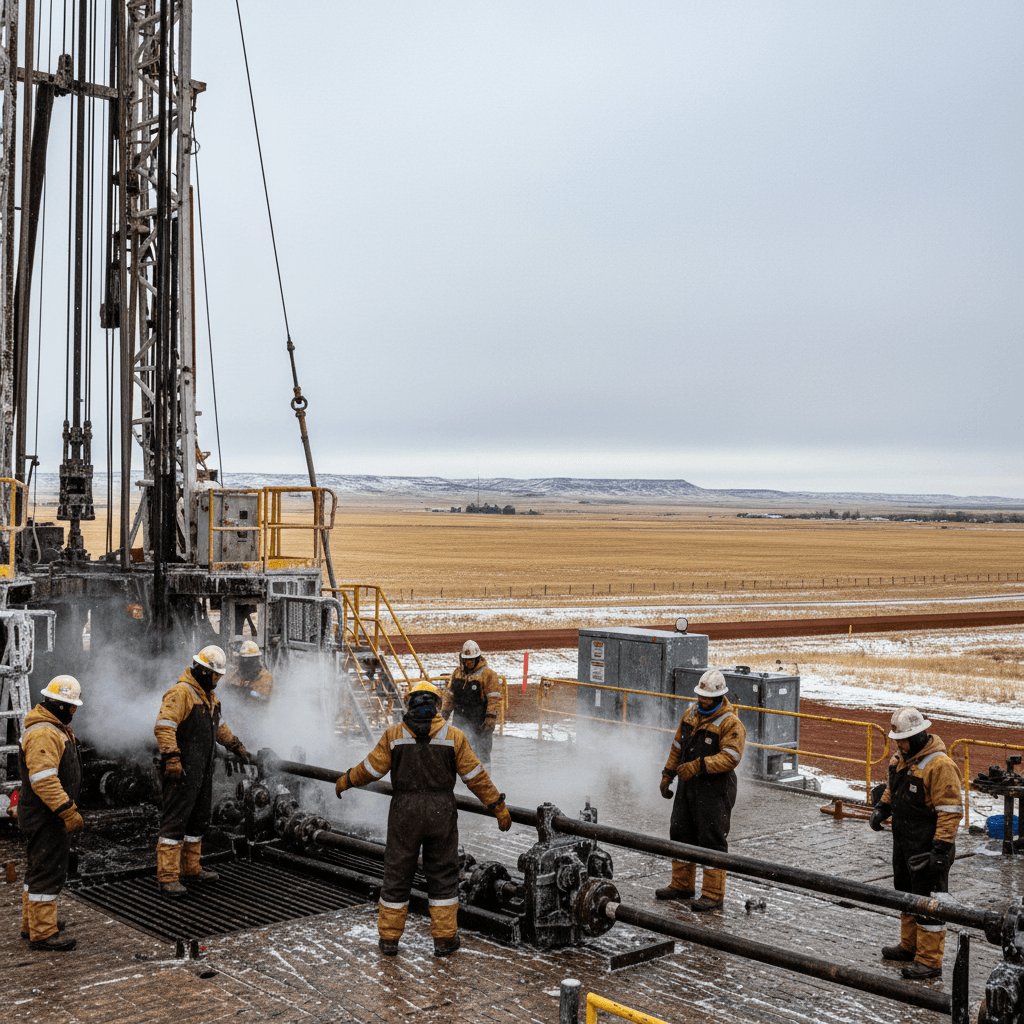
The number of active drilling rigs in North Dakota held steady at 26 this week, according to live Bakken data. This count reflects a prolonged period of modest activity in the formation, even as oil prices experienced a significant downturn, with WTI crude falling $2.91 to $69.01 per barrel.
The current rig count, a key indicator of oilfield employment and service company demand, has remained in a narrow band for several months. Industry analysts typically correlate rig levels directly with direct and indirect jobs in the region, from drill crews and fracking technicians to truck drivers and hospitality workers. A count of 26 rigs suggests a workforce requirement significantly lower than during boom periods but stable compared to recent years.
This stability at a lower level has long-term implications for Bakken communities. Housing markets in cities like Williston, Watford City, and Dickinson, which faced extreme pressure during high-activity cycles, have likely normalized. Commercial development and local government revenues tied to oil production and sales taxes are now more dependent on sustained production from existing wells rather than the high-spending capital projects associated with new drilling.
The sharp drop in oil prices reported today, with WTI down over 4%, introduces a note of caution. If low prices persist, they could pressure operators to further curtail drilling budgets, potentially threatening the current steady rig count. The Bakken crude differential, priced at a discount of $3.42 per barrel below WTI, also affects the net revenue received by producers in the state.
For local economies, a stable rig count provides predictability, but it also caps growth in the oil-driven sectors that once fueled rapid population and economic expansion. The focus for many communities has shifted to maintaining services and infrastructure built during boom times with a smaller, more settled population base. Workforce availability, while not as strained as in the past, remains a concern for specialized technical roles essential to maintaining production from the Bakken's vast installed base of wells.
Source
Live Bakken Data, June 26, 2026