Bakken Rig Count Holds at 26 Amid Sharp Oil Price Decline
Workforce and community stability tested as WTI crude falls below $70, signaling potential pressure on regional activity.
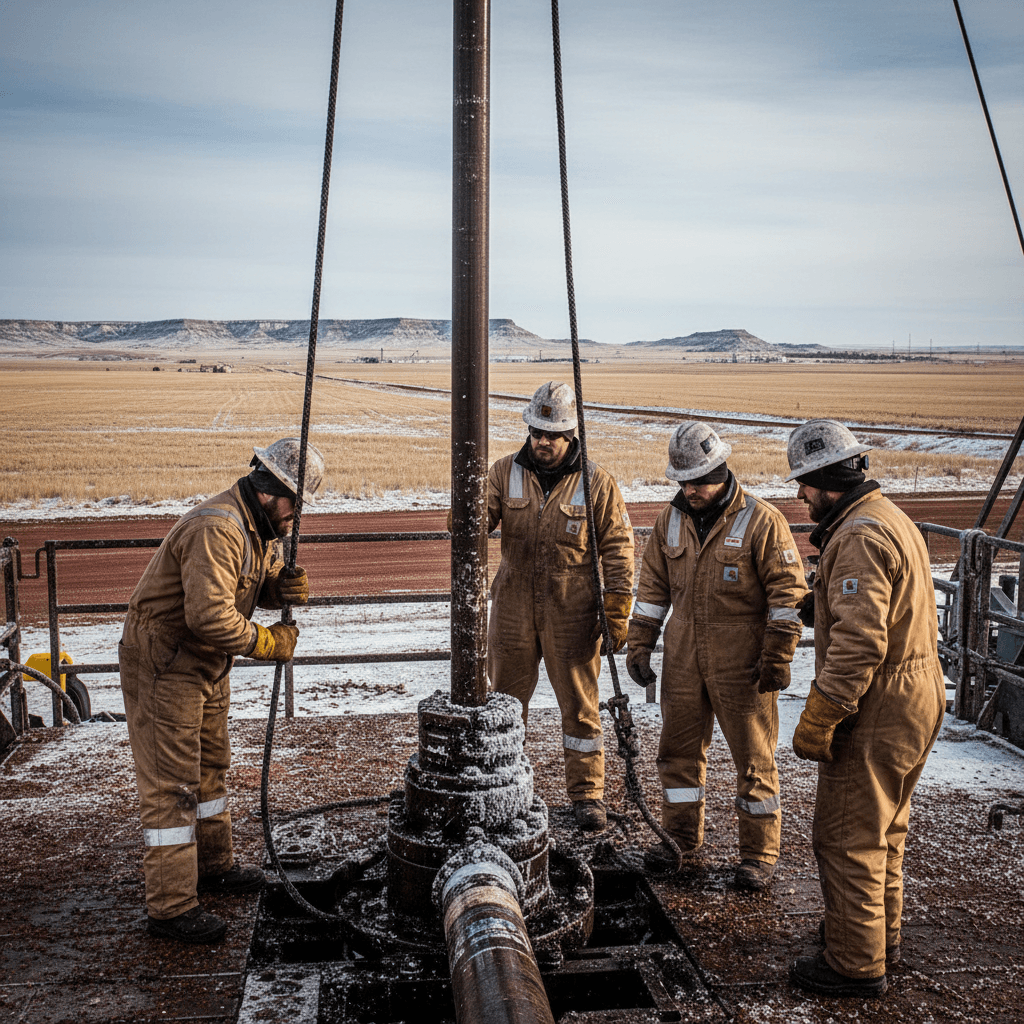
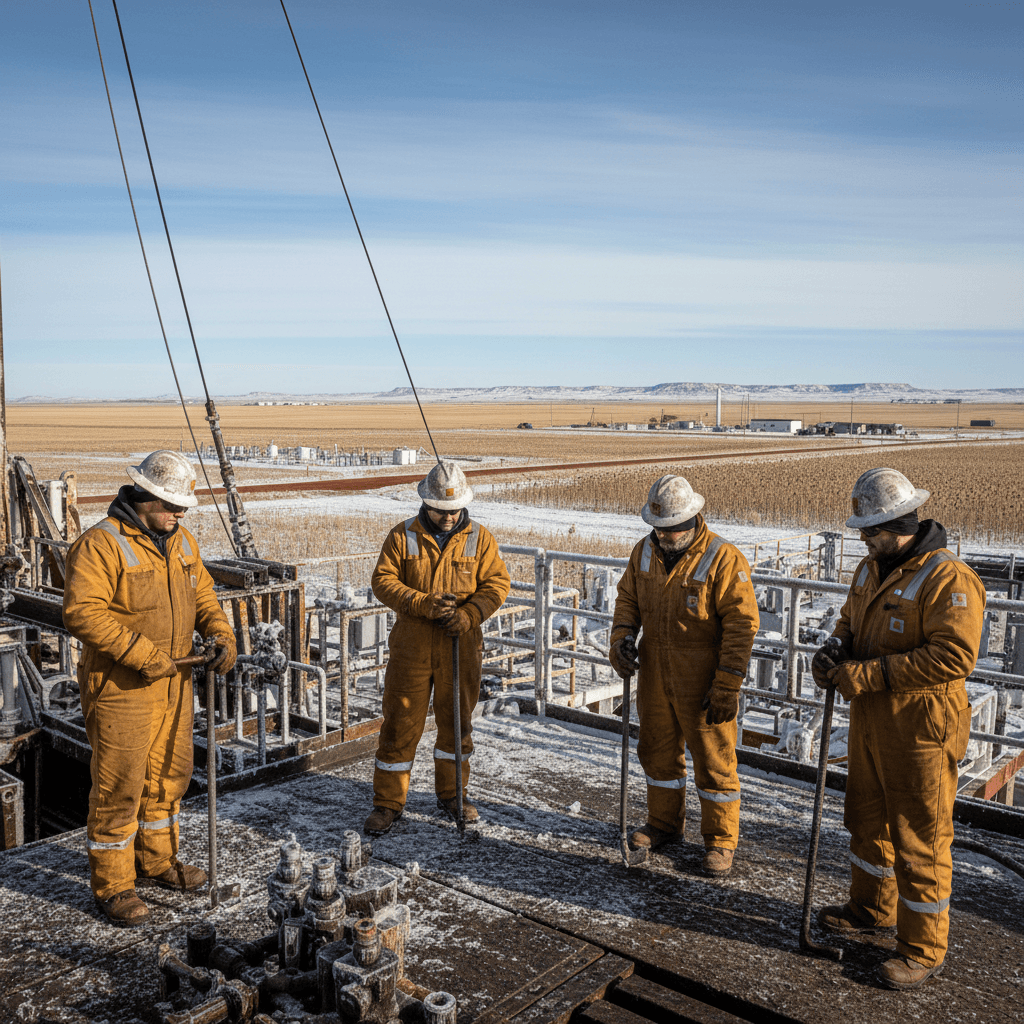
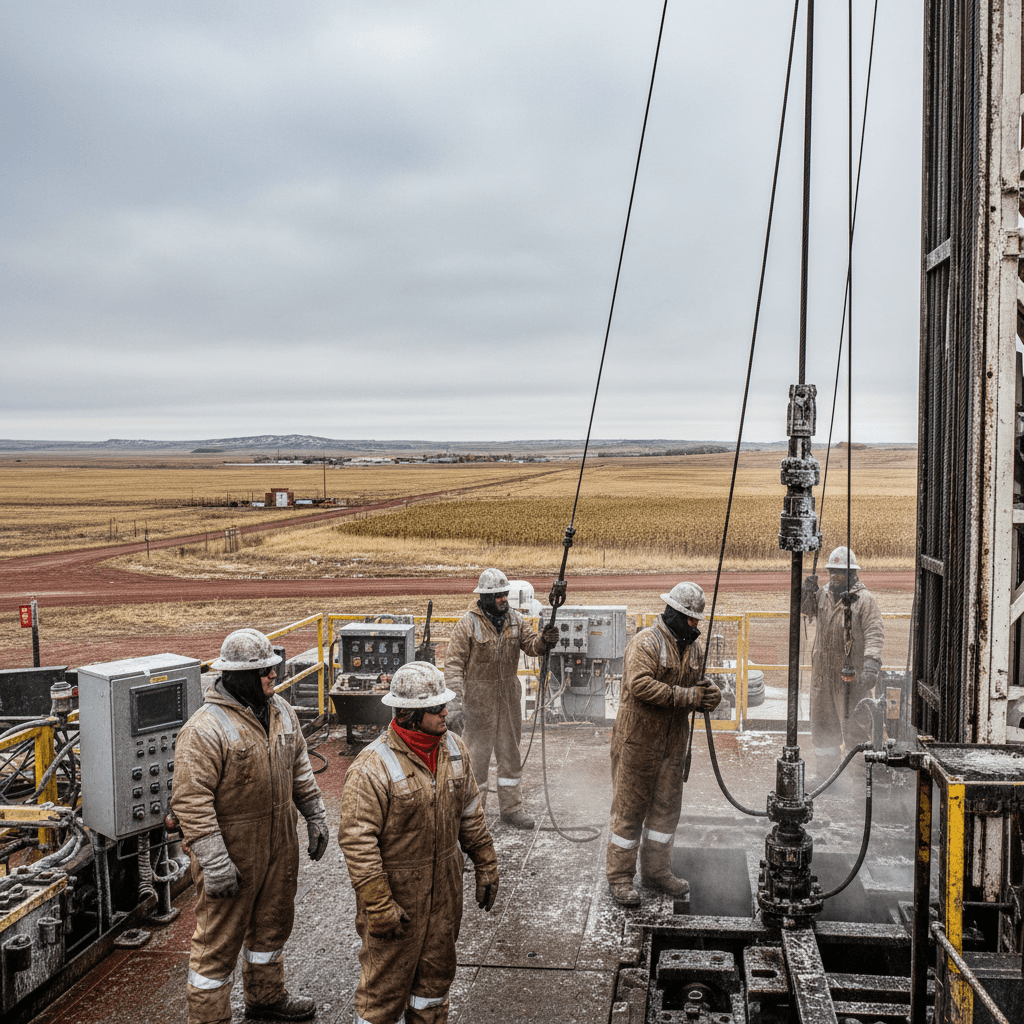
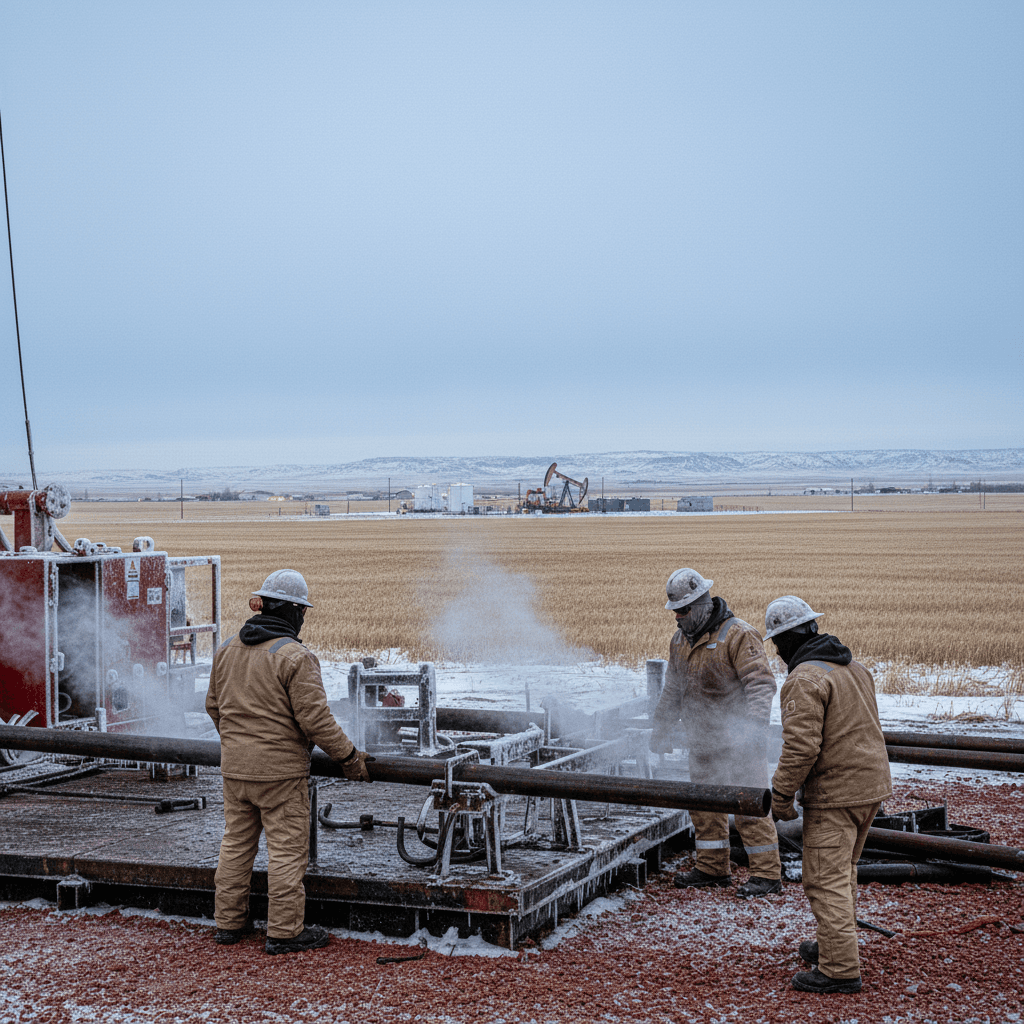
The number of active drilling rigs in North Dakota held steady at 26 on Sunday, June 28, 2026, even as benchmark oil prices fell sharply, creating a mixed outlook for Bakken workforce and community stability. The current rig level, a key indicator of oilfield employment and service company demand, remains near multi-year lows, reflecting a prolonged period of moderated activity compared to previous boom cycles.
West Texas Intermediate (WTI) crude oil traded at $69.23 per barrel, down $2.69 or 3.74% for the day. The international benchmark Brent crude fell to $72.60. The Bakken crude differential, the discount at which local oil trades compared to WTI, was $3.42. The combination of lower overall prices and a persistent discount directly impacts the revenue and drilling budgets of operators in the Williston Basin.
Historically, the rig count serves as a leading indicator for oilfield employment, with each active rig supporting dozens of direct and indirect jobs across drilling, completion, and oilfield services. A sustained count in the mid-20s suggests a stabilized but reduced level of employment compared to periods when rigs numbered over 50. This lower plateau of activity helps mitigate the extreme boom-bust cycles that have previously strained housing and municipal services in western North Dakota communities.
Lower activity levels typically reduce pressure on local housing markets, which saw extreme shortages and price inflation during past drilling booms. With fewer transient workers, demand for rental units and temporary housing moderates. Similarly, local government revenues from sales and gross production taxes become more predictable but are capped at a lower level than during high-price, high-activity periods.
The sharp single-day decline in oil prices, if sustained, could threaten the current stability. Operators may further tighten capital spending, potentially leading to a drop in the rig count and associated jobs. The health of the Bakken workforce and the economies of cities like Williston, Dickinson, and Watford City remains intrinsically tied to the profitability of extracting oil at current price levels.
For now, the steady rig count indicates a holding pattern. However, the community and workforce impacts in the Bakken are in a state of equilibrium that is sensitive to any prolonged downturn in commodity markets. The coming weeks will be critical in determining whether current activity levels can be maintained.
Source
Bakken Wire Live Data as of June 28, 2026.