Bakken Rig Count Holds at 26 Amid Stable Prices
Modest crude gains support steady workforce levels, with community impacts tied to sustained but measured activity.
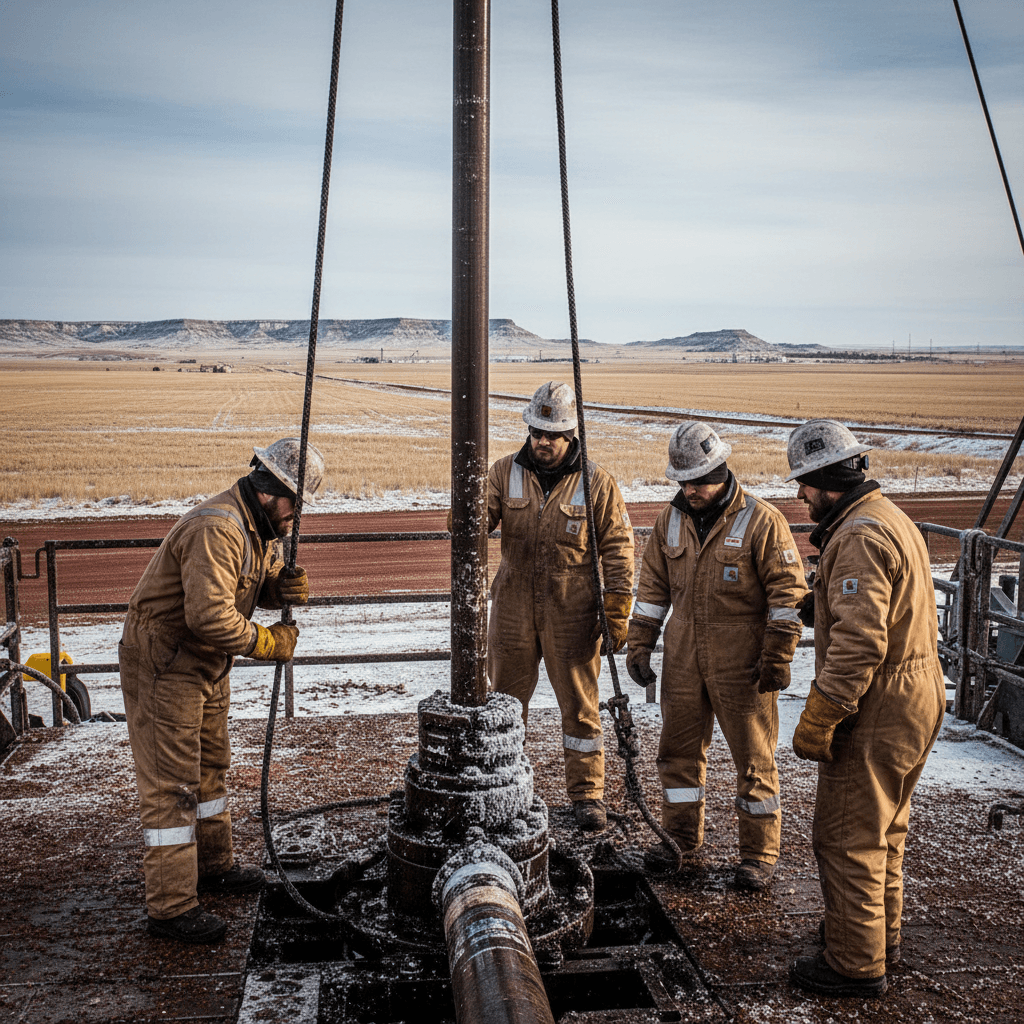
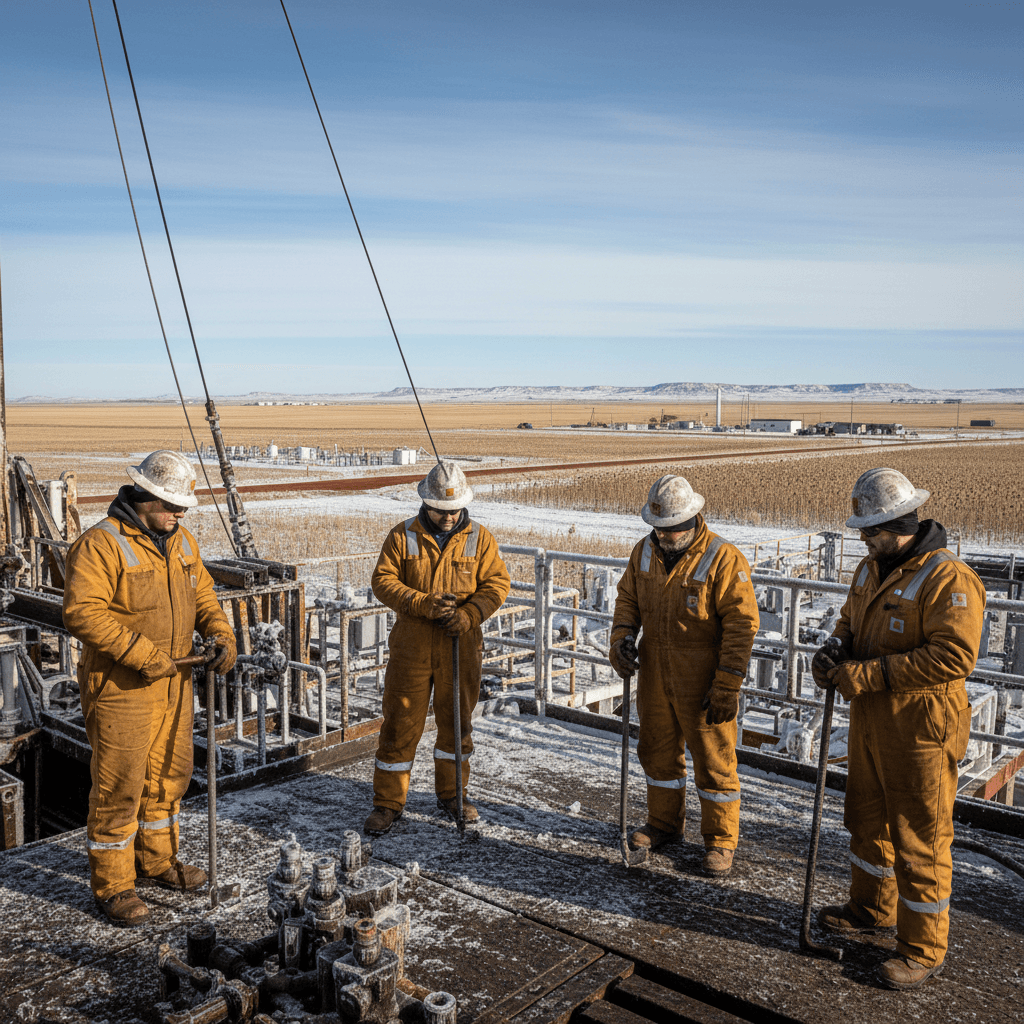
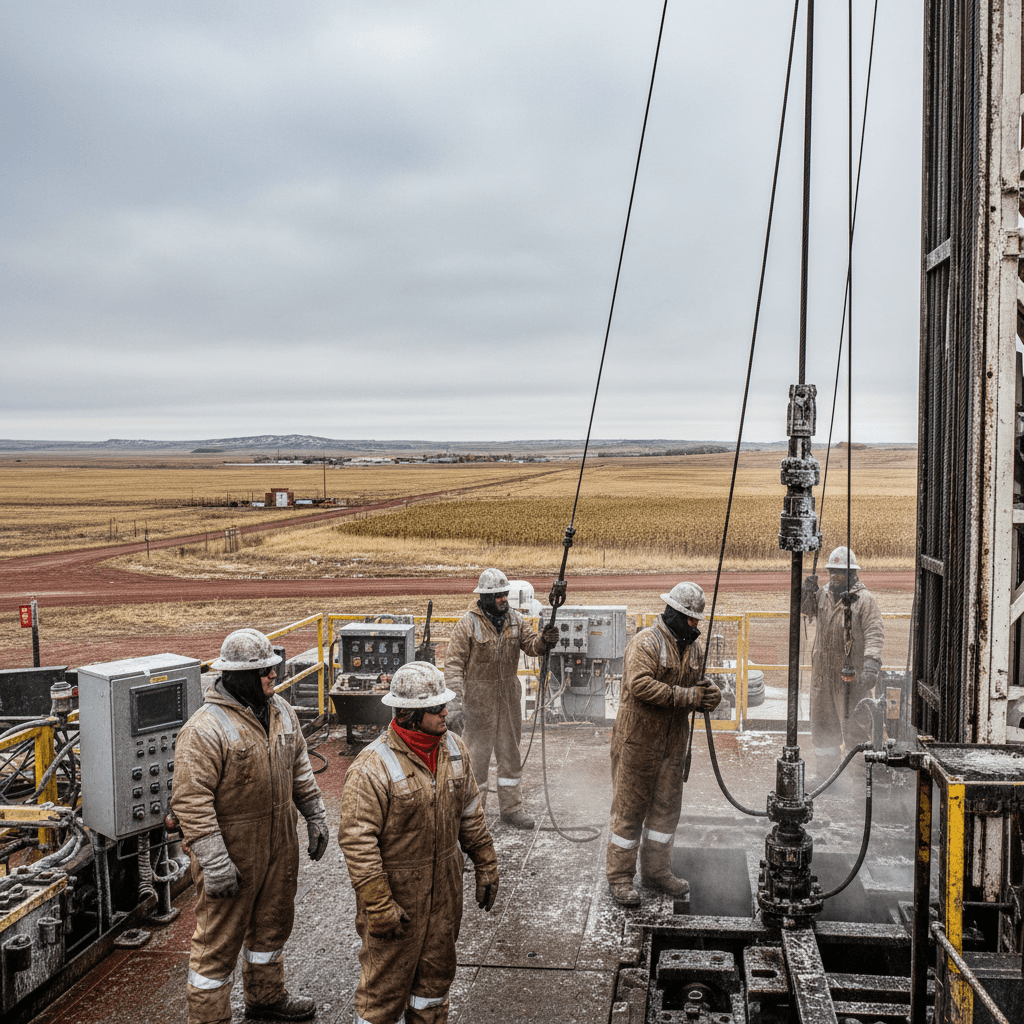
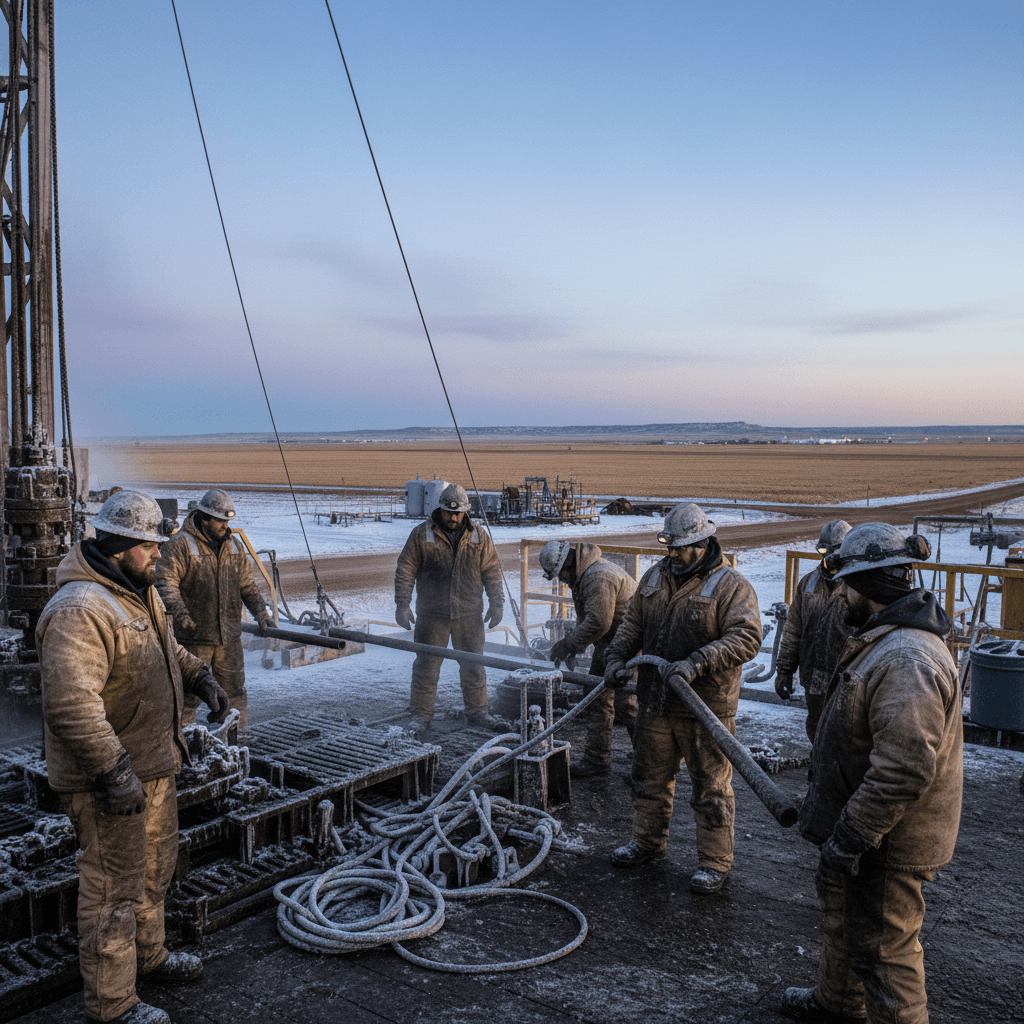
The number of active drilling rigs in North Dakota held steady at 26 on Sunday, providing a snapshot of a stable operational environment for Bakken oil producers. The current rig count, a key indicator of industry employment and service company demand, reflects a level of activity that has become the norm in the post-boom era, according to Bakken Wire's live data.
West Texas Intermediate (WTI) crude oil traded at $76.54 per barrel, up 69 cents for the day. The global benchmark Brent crude was at $80.59. The Bakken crude differential—the discount at which local crude trades versus WTI—stood at -$3.42. This pricing environment, with oil above $75, generally supports the capital budgets necessary to maintain the current pace of operations.
For workforce and communities in western North Dakota, this stability translates into predictable, but not expansive, employment levels. A rig count in the mid-20s supports a direct oilfield workforce and a larger ecosystem of service, transportation, and supply companies. It does not, however, trigger the widespread hiring frenzies or significant population influxes seen during previous high-activity periods.
The relationship between rig count, oil prices, and community health is direct. Sustained activity at current levels helps maintain local tax revenues for counties and municipalities, supporting public services and infrastructure. Housing markets, which experienced extreme volatility during the boom and bust cycles, are more likely to find equilibrium without the pressure of rapid, large-scale worker migration.
The natural gas price, recorded at $3.2 per MMBtu, remains a secondary factor for the primarily oil-focused Bakken formation, though it influences the economics of gas capture and processing operations.
Historically, the Bakken formation has driven North Dakota's economy, with workforce expansion and community growth closely tracking the number of active rigs and the price of crude. The current data suggests a period of consolidation, where operators and service companies optimize operations around a sustainable activity level, providing a foundation for long-term community planning without the disruptions of a volatile market.
Source
Bakken Wire Live Data