Bakken Rig Count Holds at 26 as Oil Prices Retreat
Stable drilling activity supports regional workforce, but lower crude prices could temper future hiring and community investment.
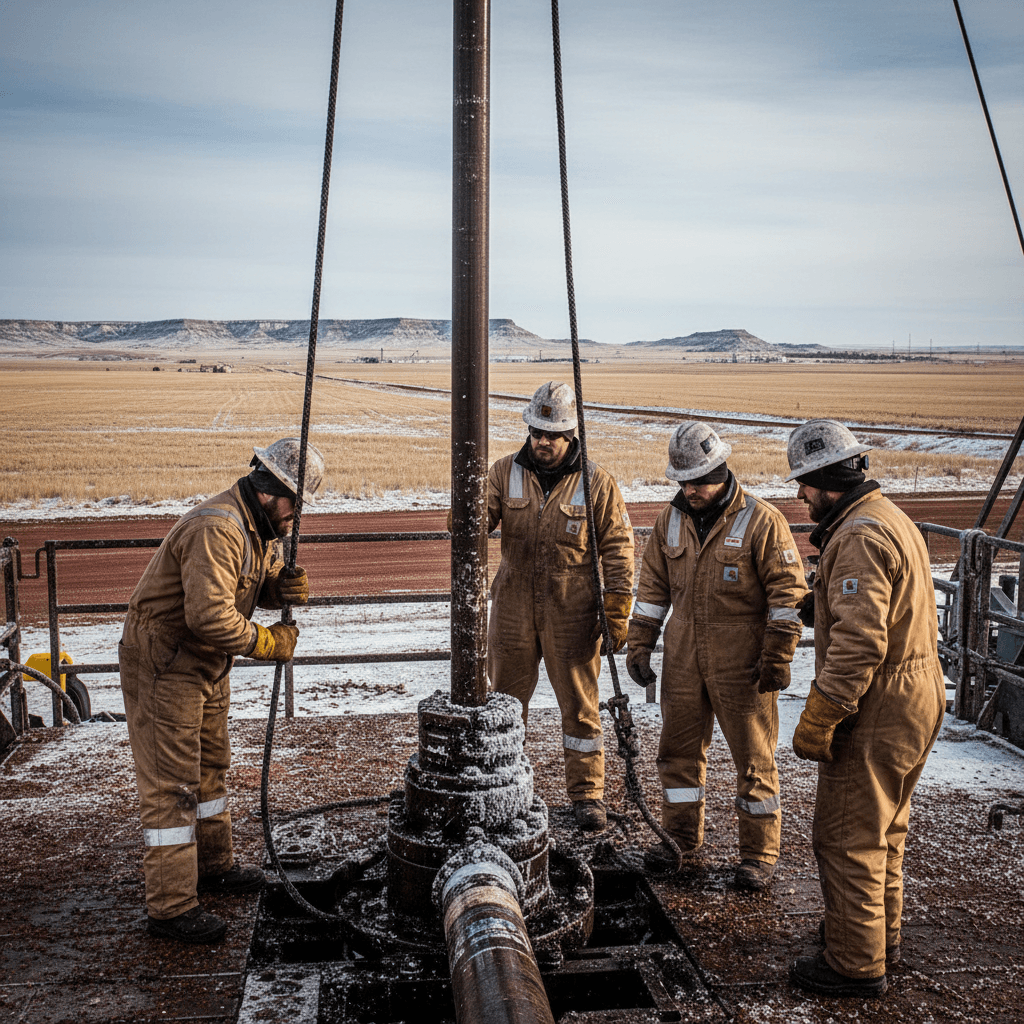
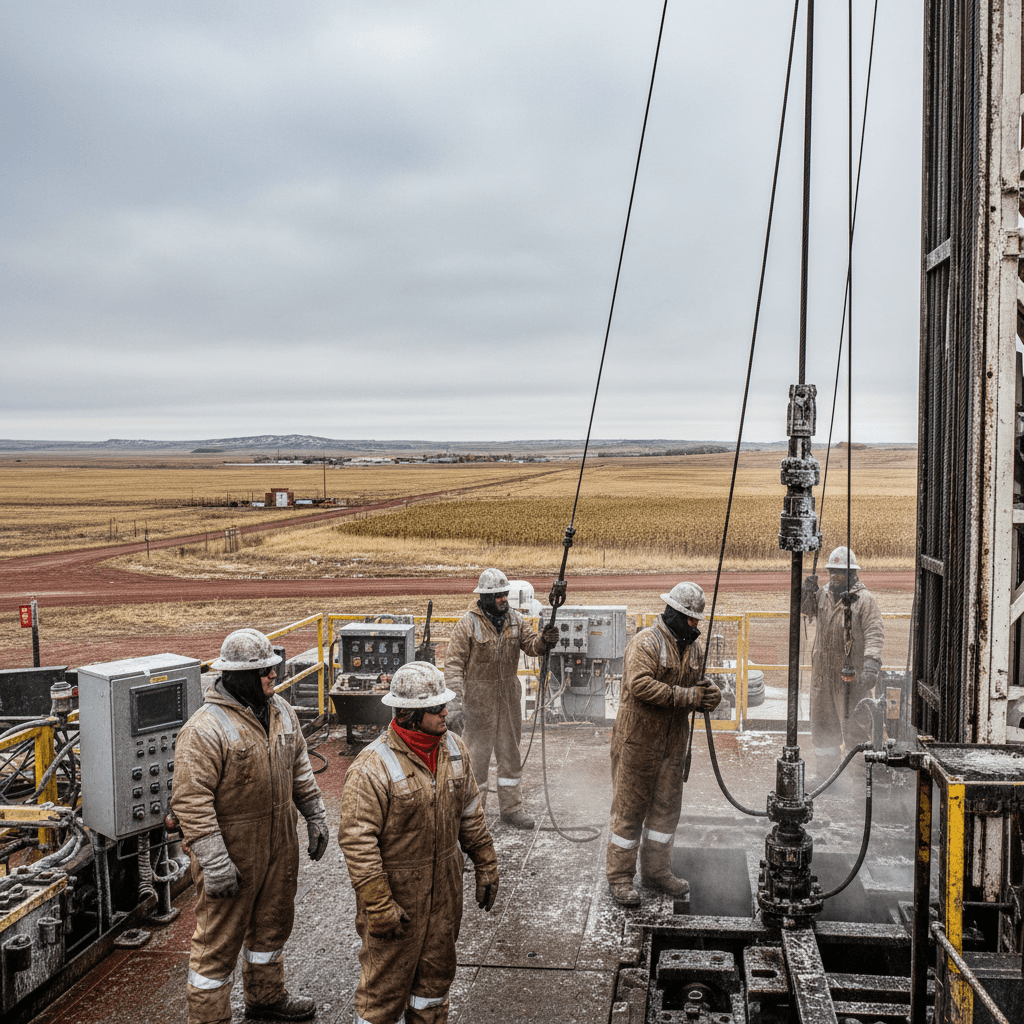
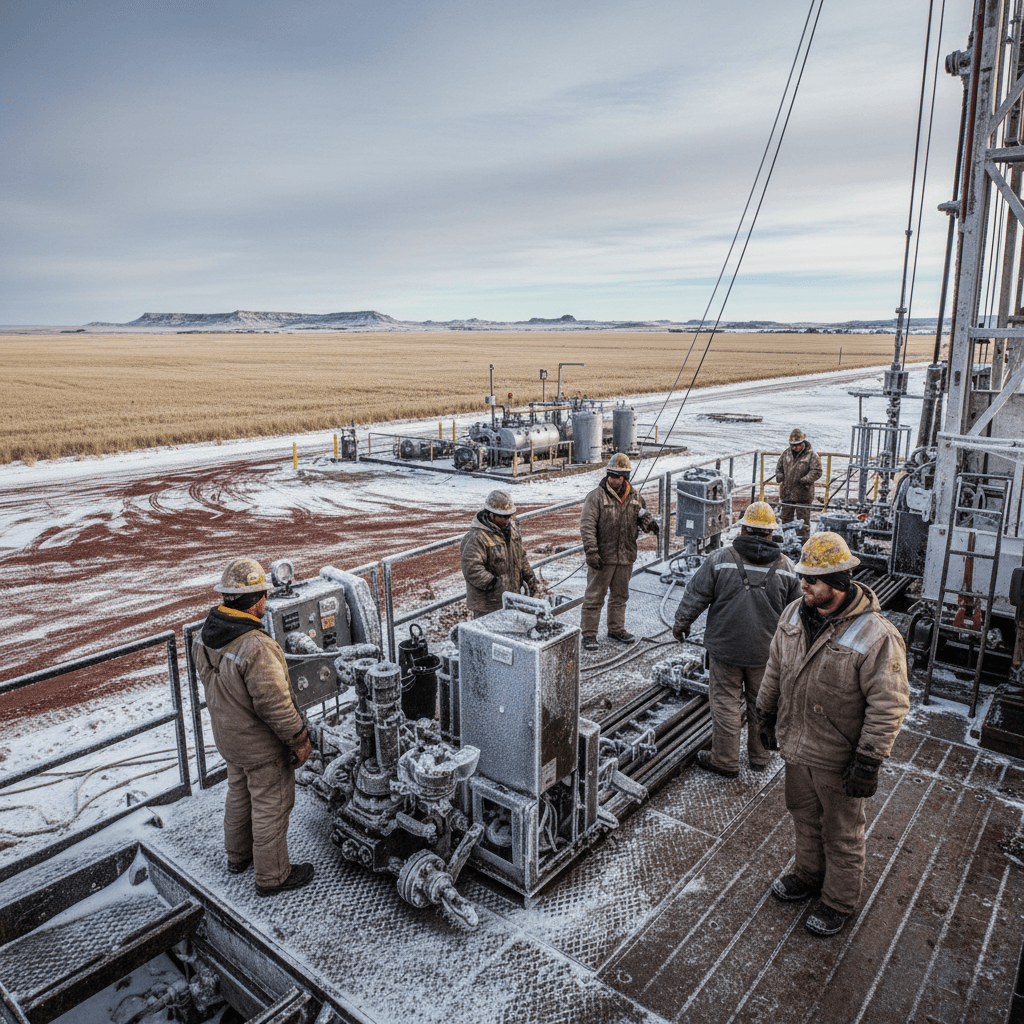
The number of active drilling rigs in North Dakota held steady at 26 on Monday, providing a foundation for employment in the oil-producing region even as crude oil prices fell sharply. According to live Bakken data, West Texas Intermediate (WTI) crude was trading at $73.53 per barrel, down $2.32 or 3.06% for the day.
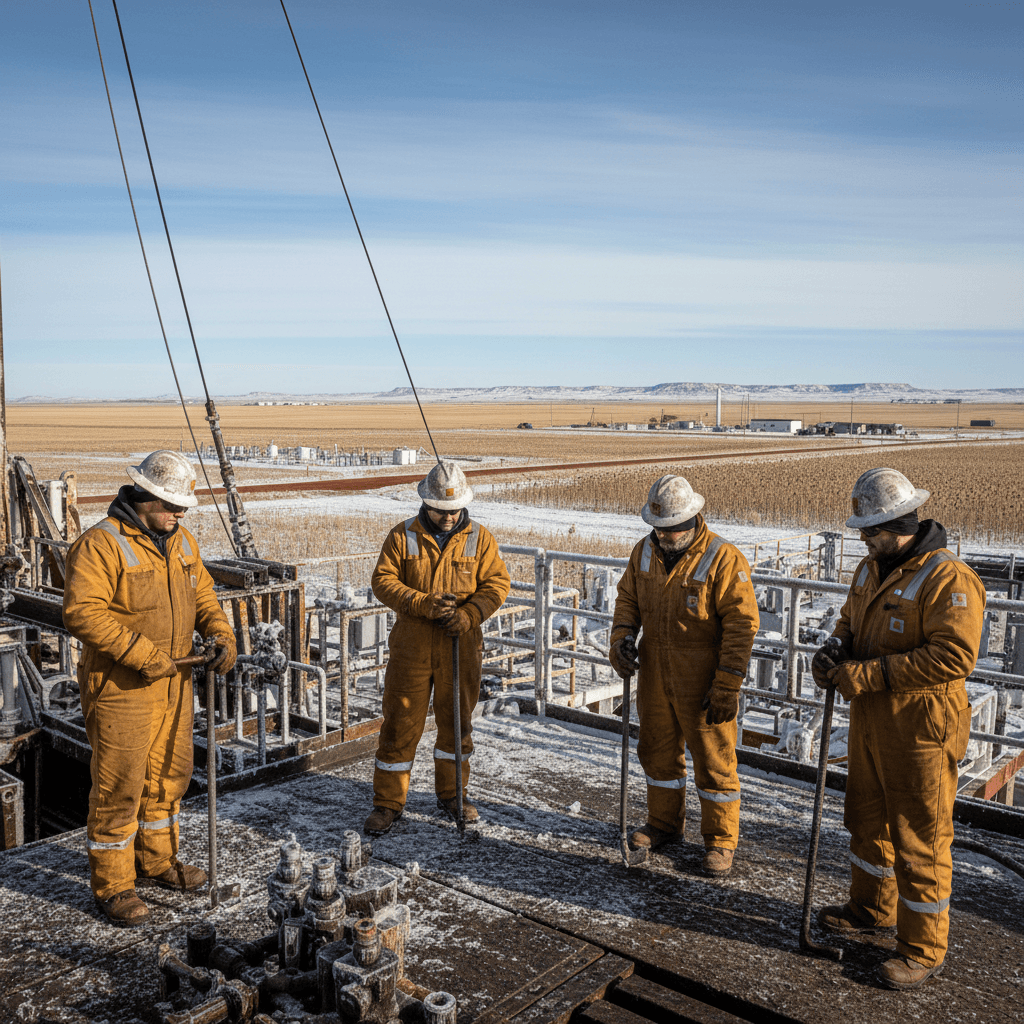
The current rig count, a key indicator of oilfield activity and direct employment for drilling crews, remains at a level that sustains a core workforce in the Bakken formation. Historically, rig counts are closely tied to oil prices, with operators adding rigs when prices are sustainably high and idling equipment when they fall. The stability at 26 rigs suggests a measured pace of development at current price levels.
For Bakken communities, the rig count directly impacts demand for housing, local services, and retail spending. A stable count avoids the boom-and-bust cycles that have previously strained infrastructure and housing markets in western North Dakota, allowing for more predictable community planning. However, the day's significant drop in oil prices, with Brent crude also down 2.81% to $77.61, introduces uncertainty for future capital spending plans.
The Bakken crude differential—the discount at which Bakken oil sells compared to WTI—was recorded at -$3.42 per barrel. This pricing directly affects the revenue realized by producers in the region and can influence decisions on well completions and workovers, which provide additional employment for frac crews and well service companies.
Natural gas prices, often a secondary revenue stream for Bakken operators, were listed at $3.31 per MMBtu. While oil drives primary investment, natural gas economics can affect the viability of associated gas capture projects and related midstream employment.
General industry context shows that sustained activity around two dozen rigs supports a steady but reduced workforce compared to peak boom years, mitigating severe housing shortages while maintaining a vital economic engine for the state. The focus for many operators in the current environment is on efficiency and drilling in the core of the play, which concentrates economic benefits in specific counties.
The immediate price volatility may not trigger layoffs, but prolonged lower prices could lead to a reduction in the rig count, subsequently affecting everything from man-camp occupancy to sales tax revenue in oil-producing counties. Community leaders often monitor these metrics to gauge future economic conditions.
Source
Live Bakken Data for June 22, 2026