Bakken Rig Count Holds at 26 as Oil Prices Rise
Steady activity level suggests stable employment and housing demand in western North Dakota communities.
The number of active drilling rigs in North Dakota's Bakken formation held steady at 26 on Monday, a key indicator of stable field activity as crude oil prices posted gains. West Texas Intermediate (WTI) crude rose $1.54 to $70.77 per barrel, while the international Brent benchmark increased to $73.98.
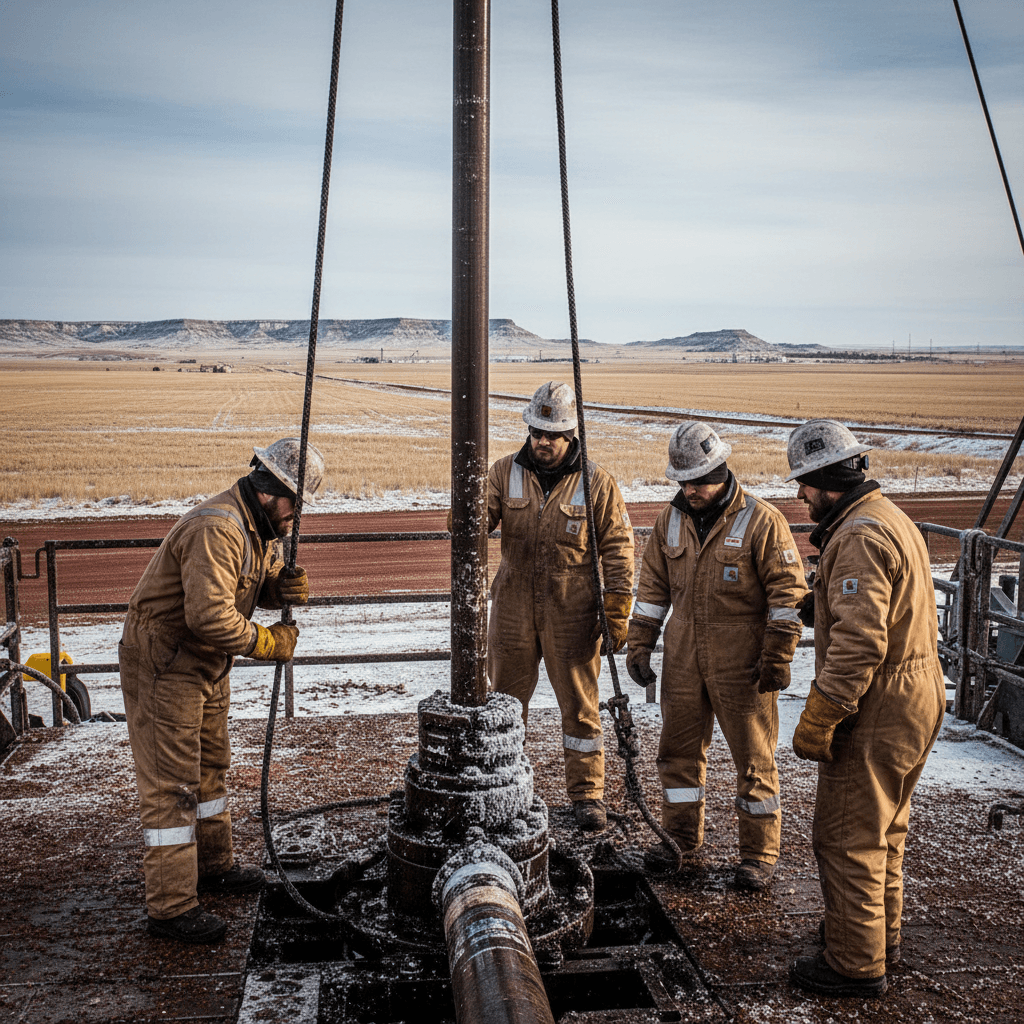
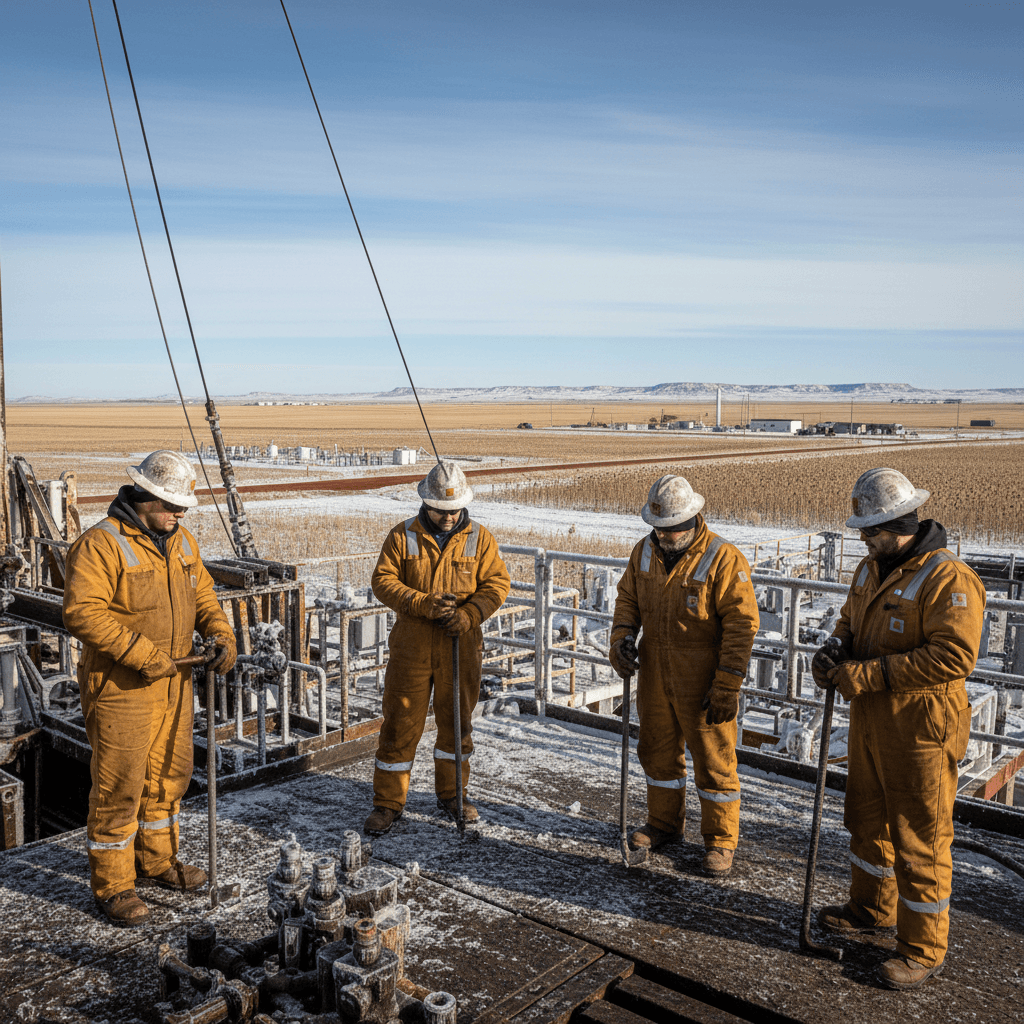
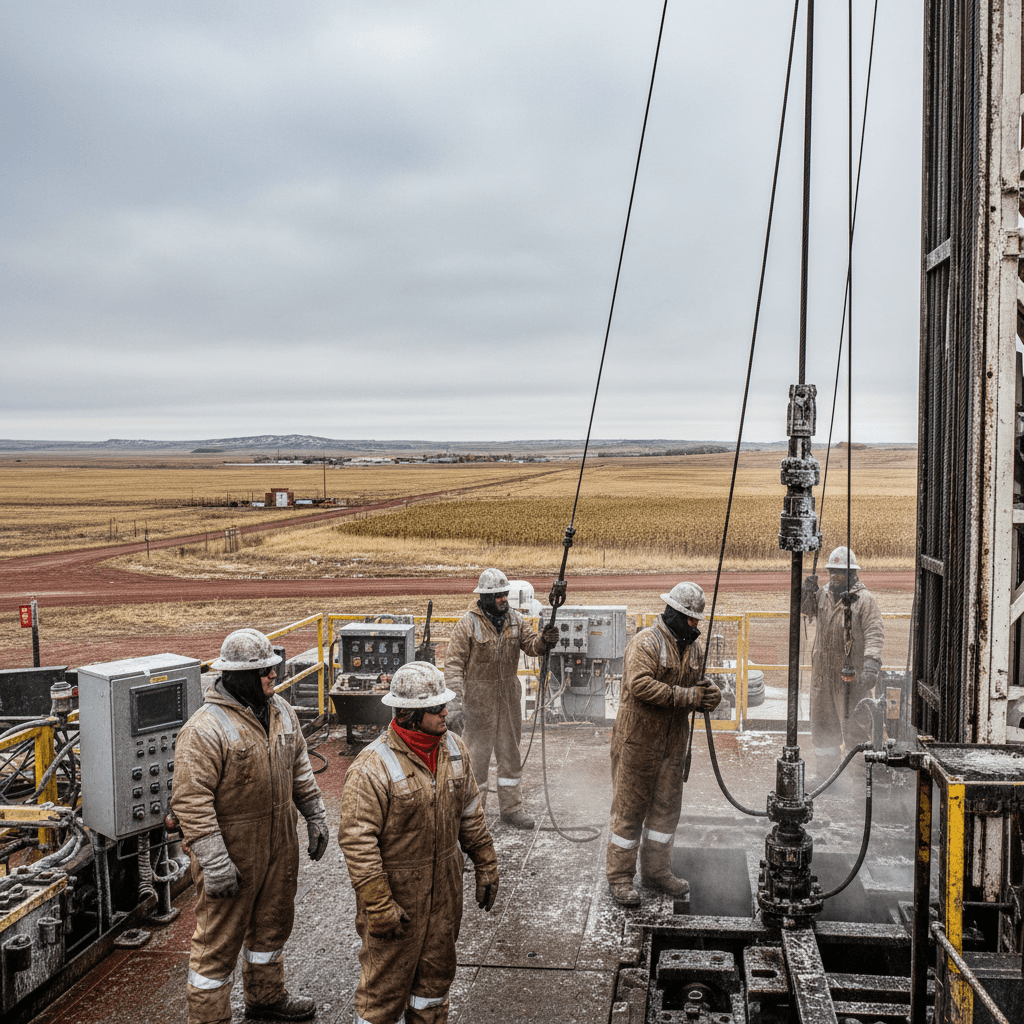
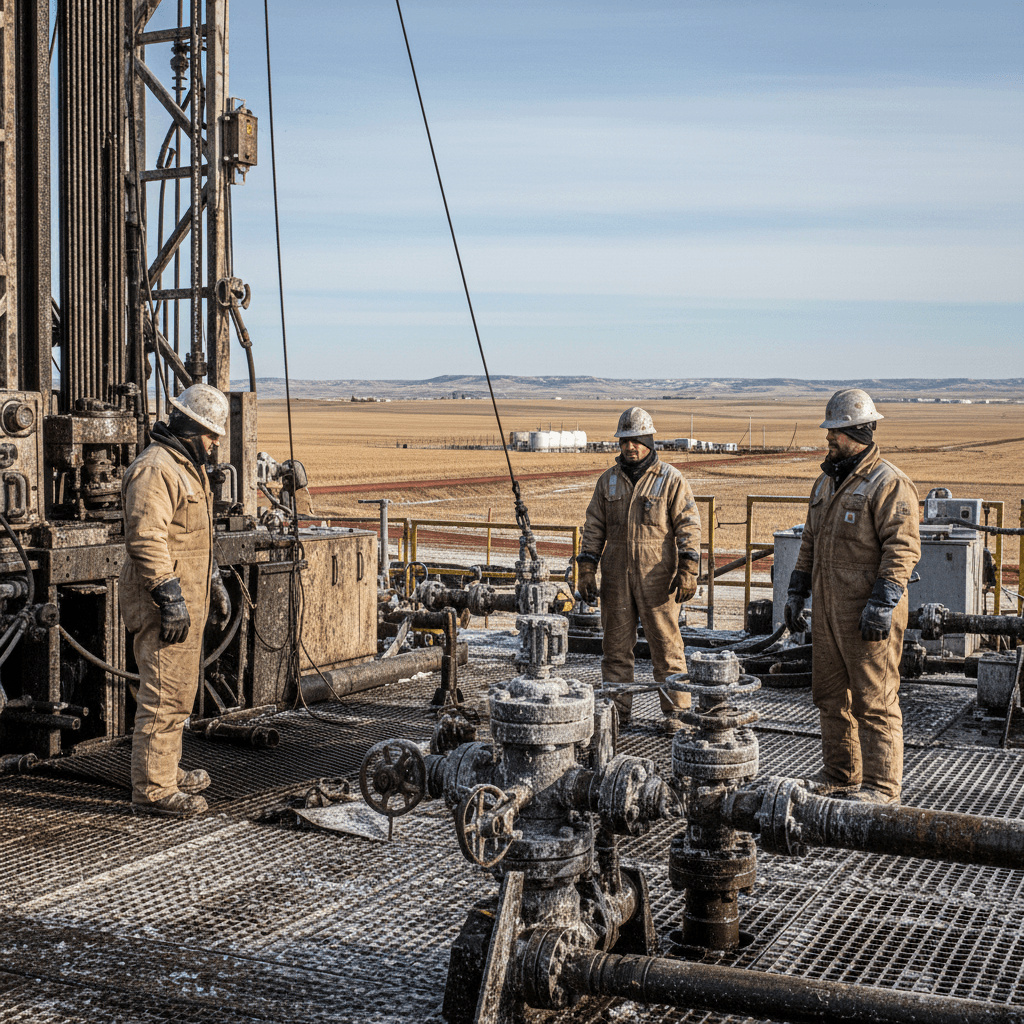
The current rig count, a primary driver of direct oilfield employment, remains near the lower end of its historical range for the prolific shale play. This level of activity typically supports a core workforce for drilling, completion, and well servicing operations, but does not generate the intense hiring surges or labor shortages seen during boom periods.
For local communities across the Williston Basin, a steady rig count correlates with stabilized demand for housing and services. The extreme housing crunches and inflationary pressures that characterized the Bakken boom over a decade ago are absent at this level of operation. Municipal budgets in oil-producing counties continue to be supported by production and extraction taxes, which are more closely tied to output and price than to the number of active drilling rigs.
The price for Bakken crude at the Clearbrook, Minnesota, hub is trading at a discount of $3.42 per barrel below the WTI benchmark. This differential affects the wellhead revenue for operators and, consequently, the royalty payments to mineral owners. Higher overall oil prices, however, provide a favorable revenue environment for existing production.
General industry context shows that the Bakken workforce is now more experienced and efficient, requiring fewer rigs to maintain production than in previous years due to technological advancements in drilling and completion. This means employment is less volatile but also that fewer total jobs are supported per active rig compared to the past.
The sustained activity at 26 rigs suggests operators are maintaining a cautious capital discipline, choosing to develop their highest-quality drilling locations. This approach provides a foundation for steady, long-term employment in the region without the dramatic swings that challenge community planning.
Local economies, from Williston to Dickinson, have diversified since the last boom but remain fundamentally linked to the health of the oil and gas sector. Current conditions point to a period of moderation, where community needs for infrastructure, schools, and housing can be managed without the strain of rapid, unpredictable growth.
Source
Bakken Wire Live Data as of June 29, 2026