Bakken Rig Count Holds at 26 as Oil Prices Rise
Stable drilling activity suggests steady employment levels in the region, with WTI crude trading near $80.
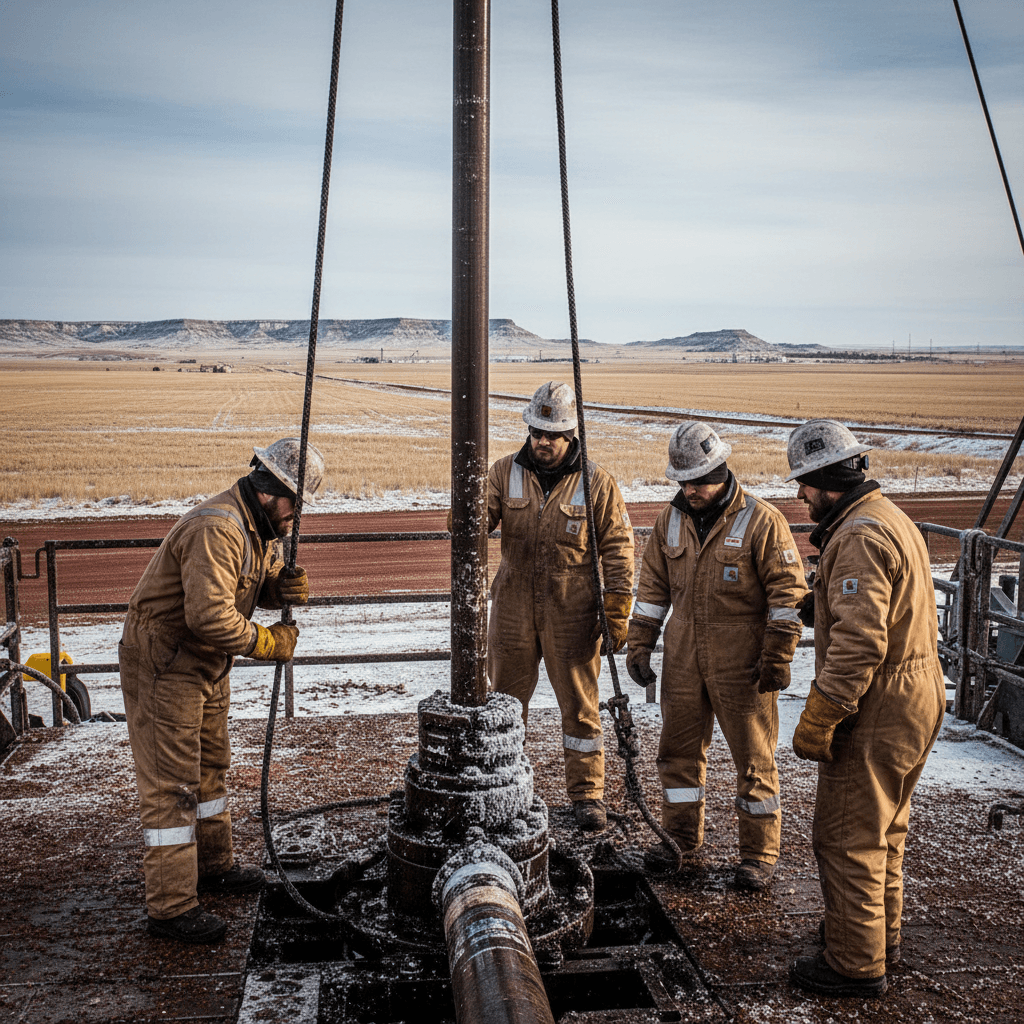
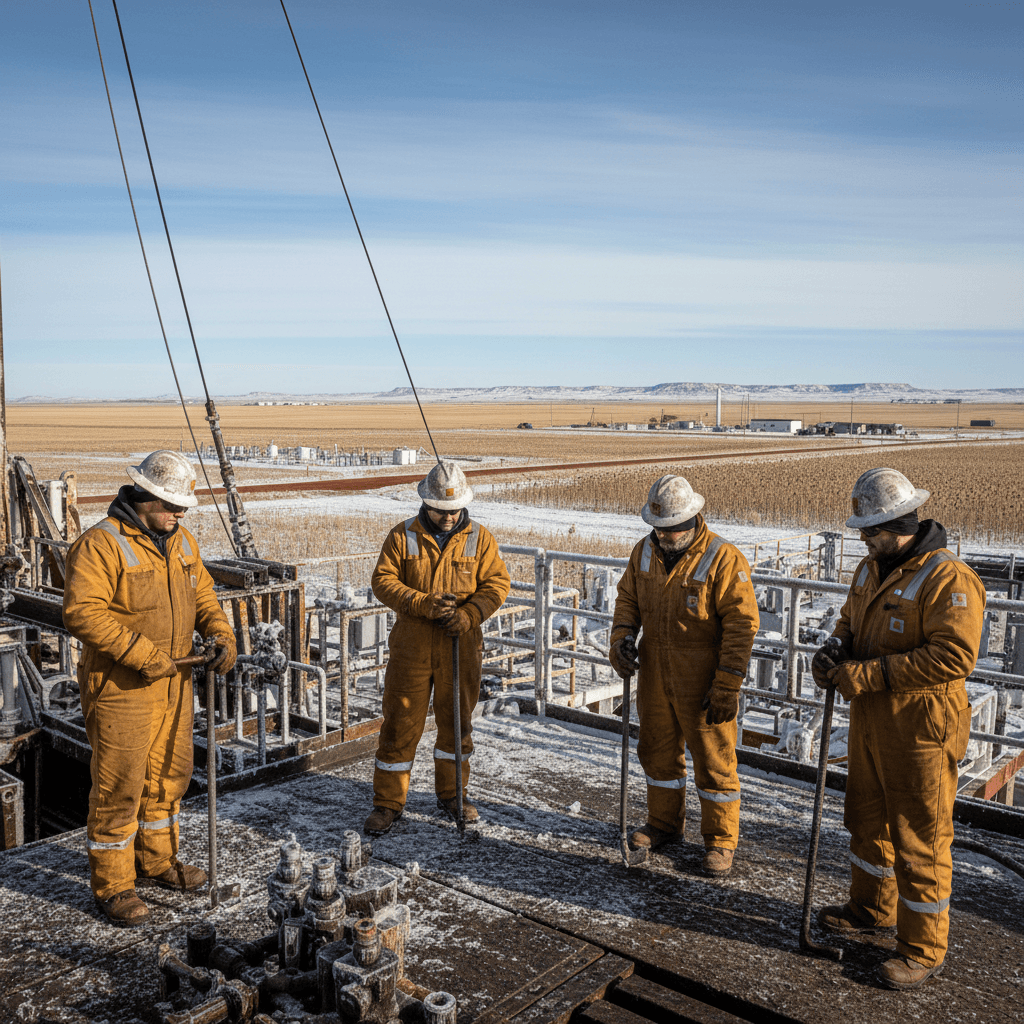
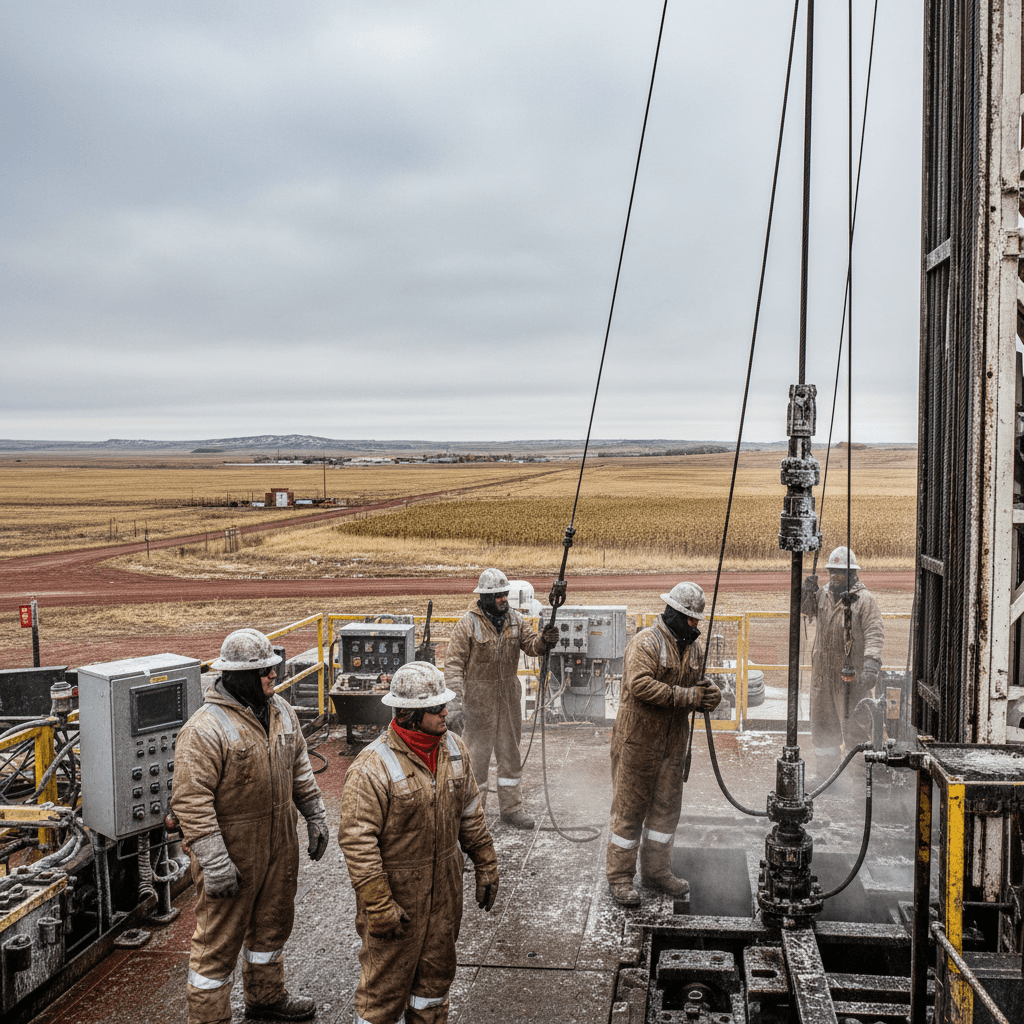
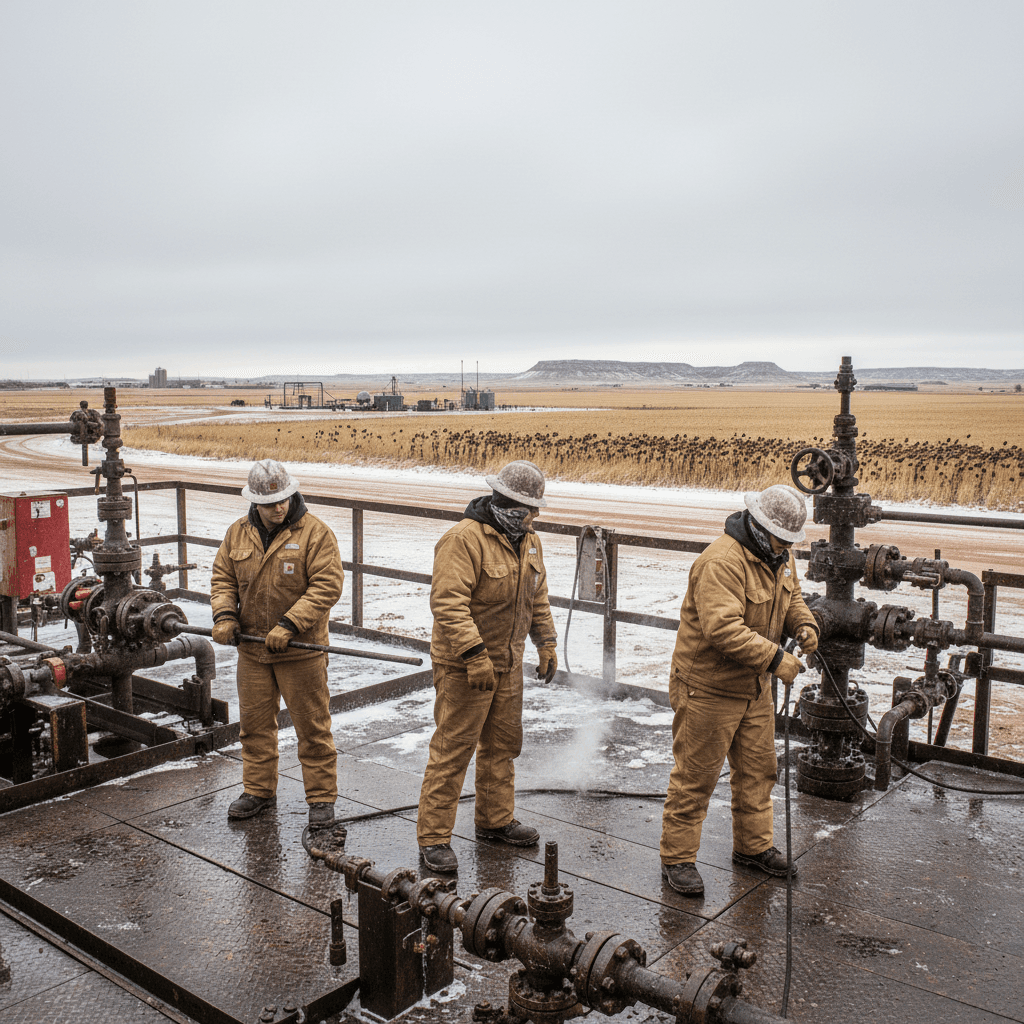
The number of active drilling rigs in North Dakota's Bakken formation held steady at 26 on Tuesday, a level suggesting continued but measured oilfield employment demand in the region. The stability comes as benchmark oil prices posted gains, with West Texas Intermediate crude rising 1.86% to $79.59 per barrel.
Analysts often view rig counts as a leading indicator for oilfield employment, as each active rig supports a wide range of direct and indirect jobs. The current count of 26 rigs, while significantly lower than the boom-era peaks, represents a sustained level of operational activity that supports core workforce stability in western North Dakota communities.
The day's price rally saw Brent crude rise 2.52% to $85.40 per barrel. The Bakken crude differential, the discount at which local crude trades versus WTI, was reported at -$3.42. Stronger oil prices generally support operator cash flow and budgets, which can influence hiring and contracting decisions over time.
For local economies in the Bakken, the rig count and commodity prices are closely tied to housing markets, retail sales, and local government revenues. A stable rig count typically correlates with stable demand for housing, from man-camps to apartments, and consistent consumer spending in oil-patch towns. Sharp increases in activity can strain housing and infrastructure, while declines can lead to vacancies and reduced tax income.
Natural gas prices, another revenue stream for many Bakken operators, were reported at $2.91 per MMBtu on Tuesday. While oil is the primary economic driver in the region, natural gas prices impact the economics of well production and the viability of gas capture projects.
The current environment of moderate oil prices and a steady rig count points to a period of consolidation for the Bakken workforce, as operators focus on efficiency and generating free cash flow. This phase often results in less volatile population shifts compared to boom or bust cycles, allowing communities to plan for longer-term stability.
Source
Bakken Wire Live Data, July 14, 2026