Bakken Rig Count Holds at 26 as Oil Prices Show Modest Gains
Steady activity level suggests stable employment and economic conditions for Bakken communities.
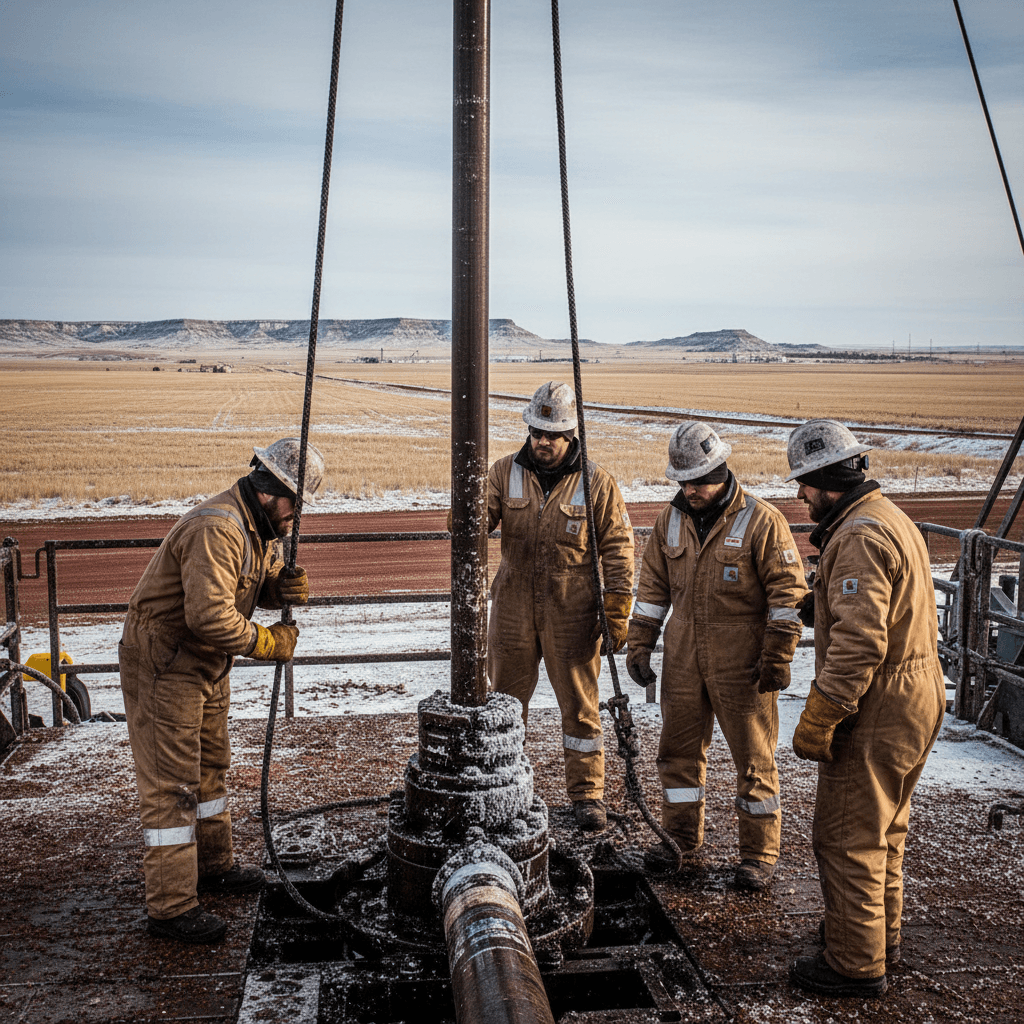
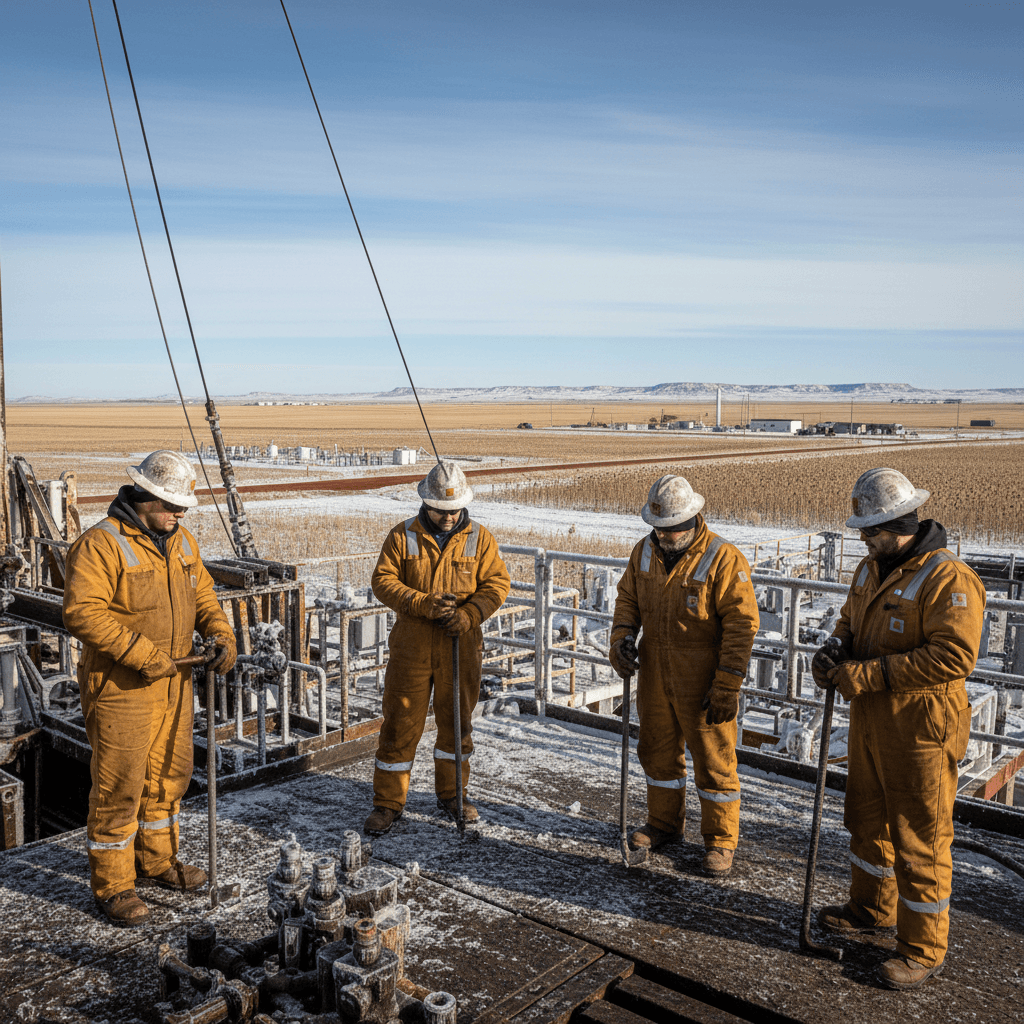
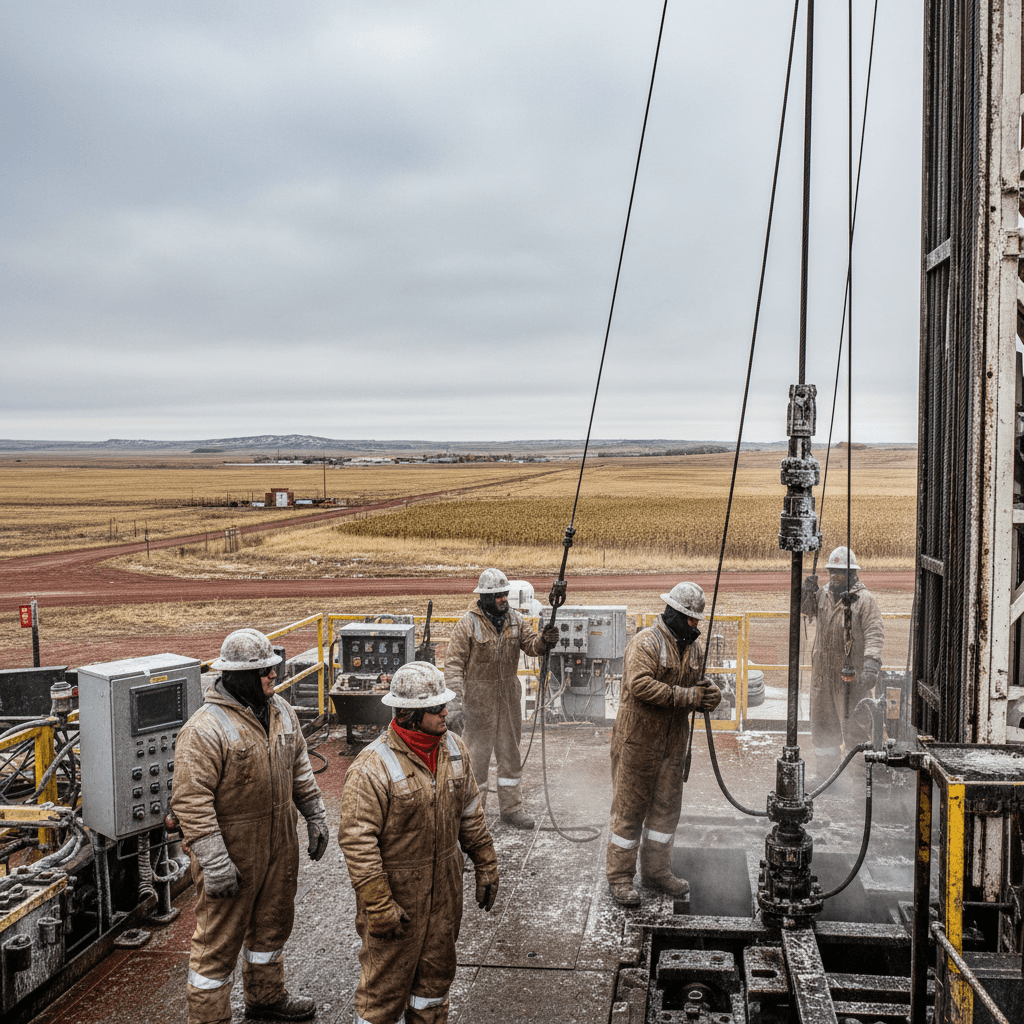
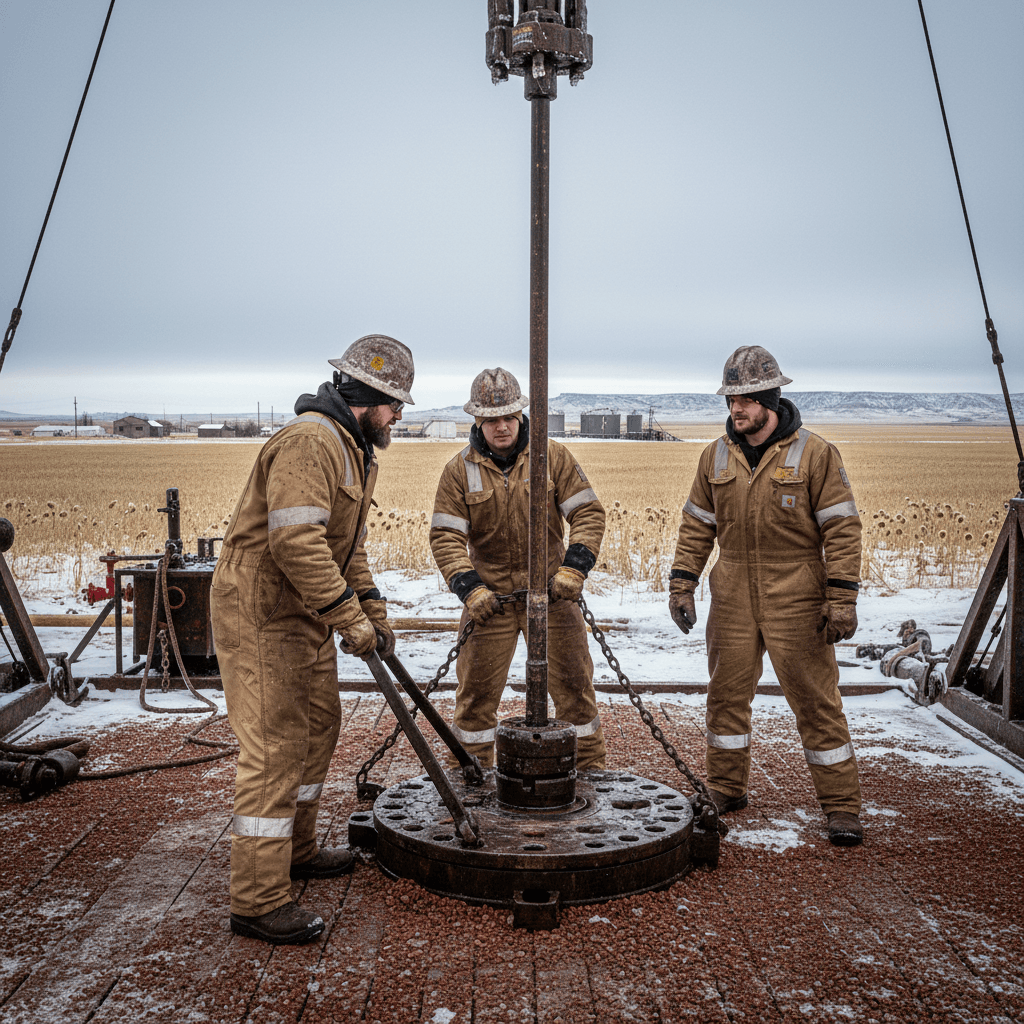
The North Dakota oil industry continues to operate at a steady pace, with the active rig count holding at 26 on Saturday, June 20, 2026, according to live Bakken Wire data. This level of drilling activity provides a foundational indicator for employment and economic conditions in the region's oilfield communities.
Supporting the current operational tempo, oil prices posted modest gains in midday trading. West Texas Intermediate (WTI) crude was priced at $76.54 per barrel, an increase of $0.69. The Bakken crude differential stood at a discount of $3.42 below the WTI price. Natural gas held at $3.20 per MMBtu.
In the Bakken formation, the rig count is a leading indicator for oilfield employment. A count in the mid-20s, sustained over time, typically correlates with a stable but reduced workforce compared to historic boom periods. This suggests consistent demand for drilling crews, frac crews, and related oilfield service personnel, without the severe labor shortages or sudden layoffs that accompany more volatile swings in activity.
The stability in both rig count and commodity prices has direct implications for local economies in western North Dakota. Steady activity supports local businesses, from housing and hospitality to equipment suppliers and transportation services. A rig count at this level is unlikely to trigger a major surge in population or housing demand, which should help maintain equilibrium in residential and commercial real estate markets that have experienced boom-bust cycles in the past.
Community infrastructure and services, such as schools and roads, also benefit from predictable industry activity. It allows local governments to plan budgets with greater certainty, relying on consistent tax revenue from oil production and related economic activity without the strain of rapid, unplanned growth.
The current environment, marked by a steady rig count and firming oil prices, points to a period of consolidation for the Bakken. For workers and residents, it represents a phase of relative stability where the extreme pressures of both boom and bust are absent, allowing communities to adapt to a more sustainable pace of oil-led development.
Source
Bakken Wire Live Data, June 20,道 2026