Bakken Rig Count Holds at 26 as Oil Prices Show Stability
Workforce and community conditions in western North Dakota reflect a sustained, moderate level of oilfield activity.
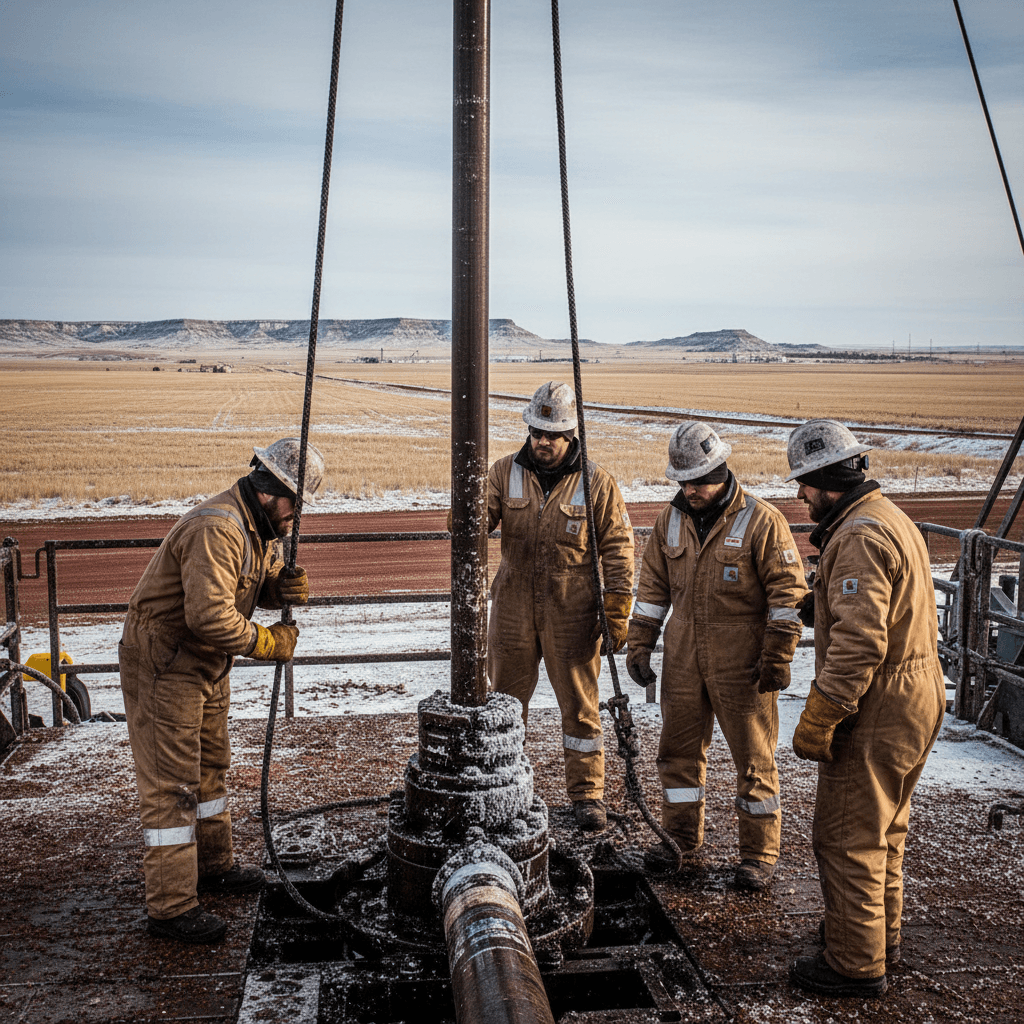
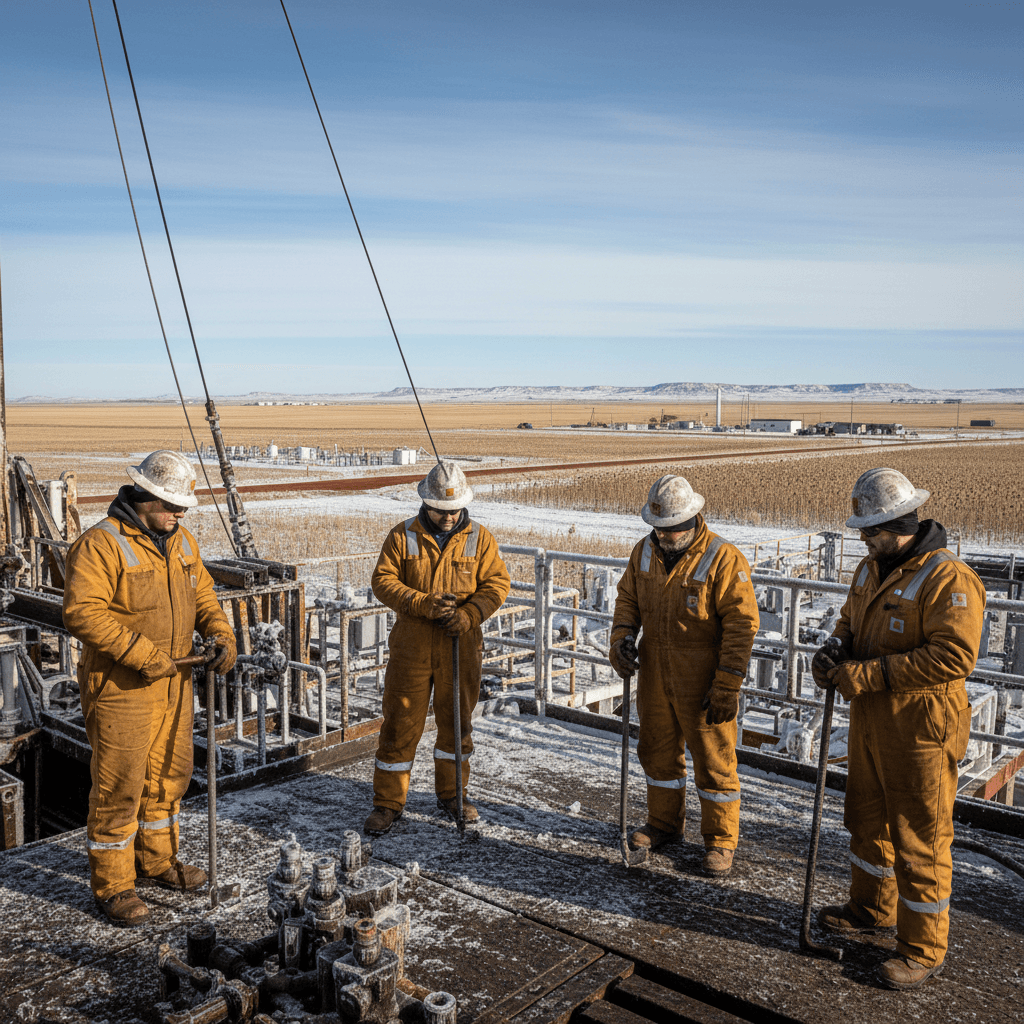
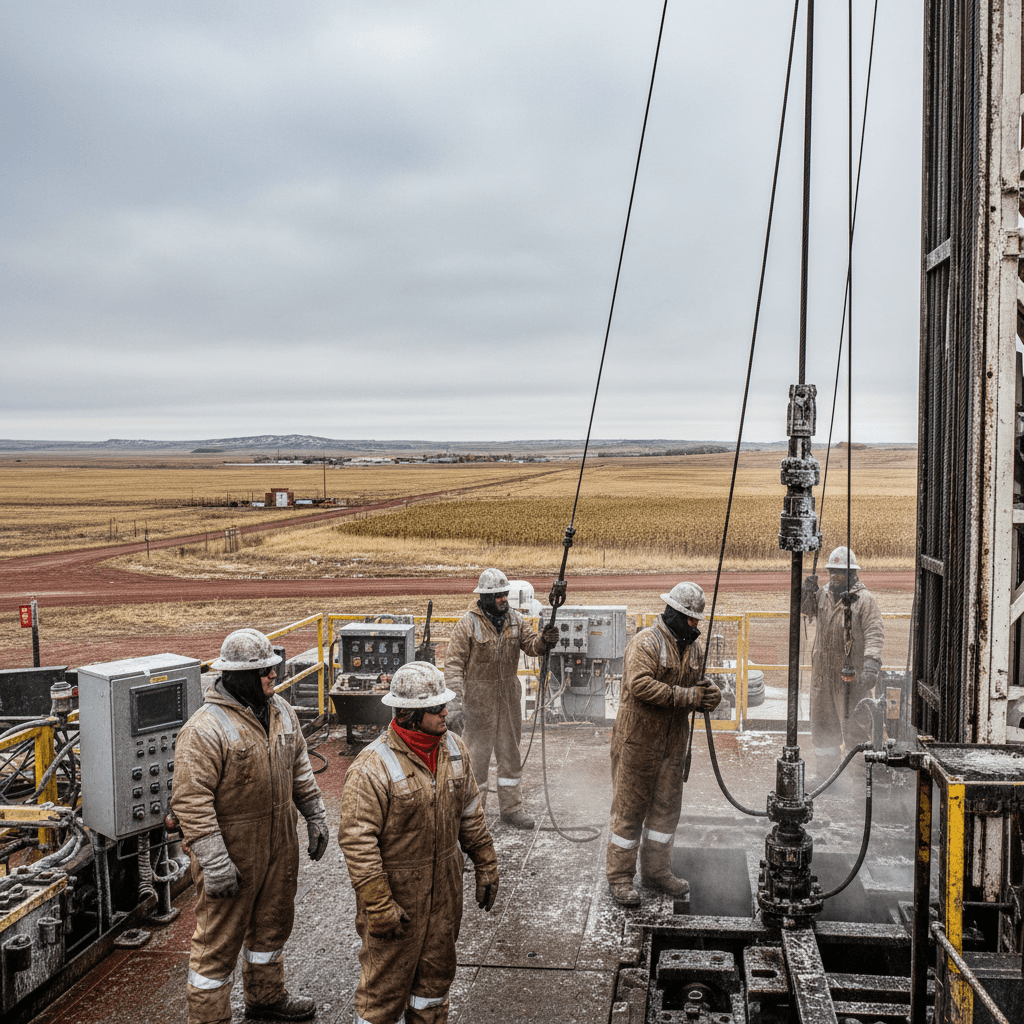
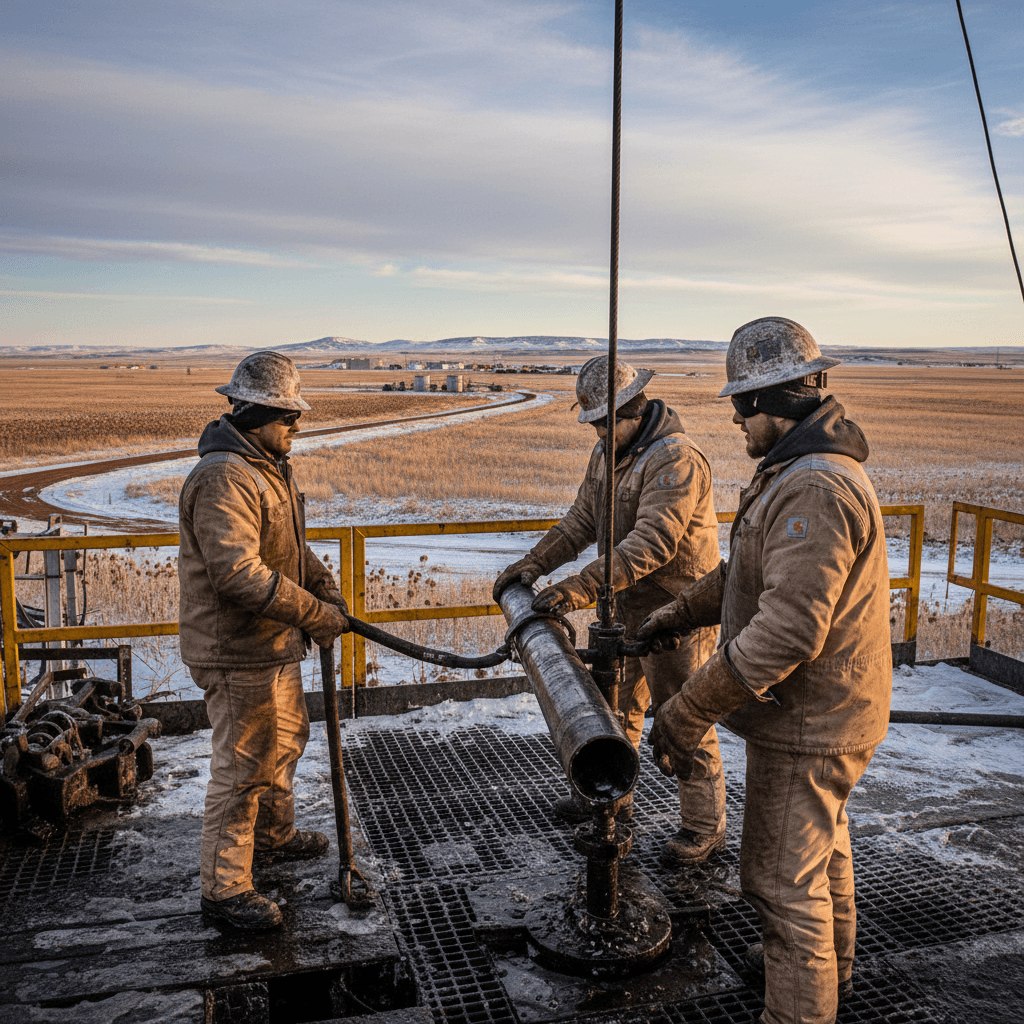
The active drilling rig count in North Dakota's Bakken formation held steady at 26 on Thursday, July 16, 2026, signaling a continued baseline of operational activity that underpins regional employment and economic stability. This level, while a fraction of the historic highs seen during previous boom cycles, represents a consistent tempo of development in the current price environment.
The workforce in the Bakken region is closely tied to this rig count, which directly drives demand for drilling crews, field service personnel, and related support jobs. A stable rig count near the mid-20s suggests a corresponding stabilization in oilfield employment, avoiding the sharp layoffs of downturns or the severe labor shortages of boom times. According to general industry analysis, this equilibrium allows for more predictable workforce planning for both operators and service companies.
Supporting this steady operational footprint are current commodity prices. West Texas Intermediate crude traded at $79.02 per barrel, showing minimal daily movement. The Bakken crude differential—the discount at which local crude trades against the WTI benchmark—was recorded at -$3.42. This narrow differential is favorable for Bakken producers, improving netbacks and supporting capital budgets that fund drilling programs and, by extension, local jobs.
The impact on Bakken communities extends beyond the oilfield. Sustained, moderate activity levels influence housing markets, retail sales, and local government revenues. Unlike periods of explosive growth that strain infrastructure and cause housing shortages, or sharp contractions that lead to vacancies and budget shortfalls, the current environment supports a more manageable pace of community development. Steady employment helps maintain population levels in western North Dakota counties, providing a stable customer base for local businesses.
Natural gas prices, recorded at $2.85 per million British thermal units, remain a secondary factor for the primarily oil-focused Bakken, though they influence the economics of gas capture and midstream operations. The overall price stability for oil provides a clearer outlook for operators, which translates into more predictable activity levels for the communities that host them.
For royalty owners and local economies, the consistency implied by a steady rig count and stable oil prices offers a period of relative predictability. While not the high-growth environment of past decades, the current conditions foster a sustainable economic foundation for the Bakken region, where the oil and gas industry remains the primary economic driver.
Source
Bakken Wire Live Data for July 16, 2026